

03.02.2026
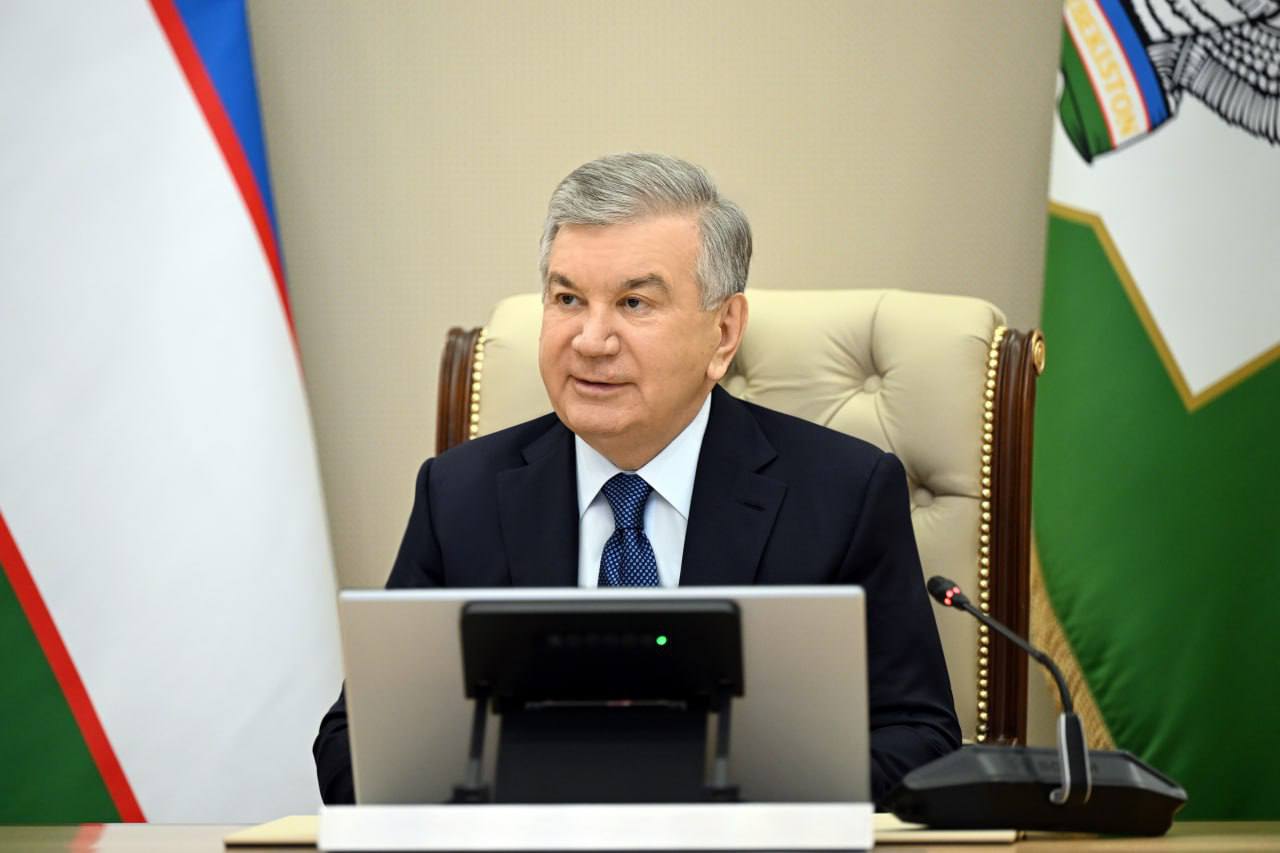
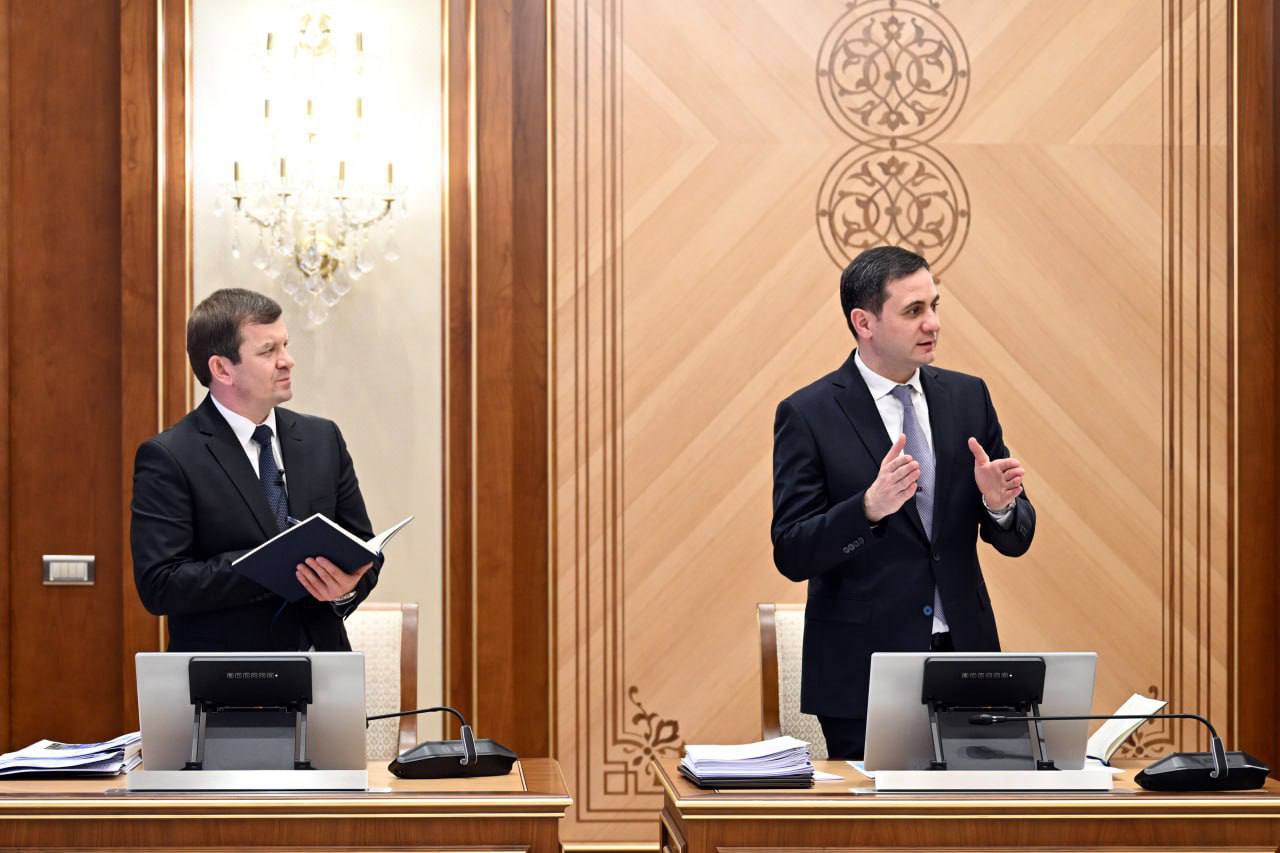
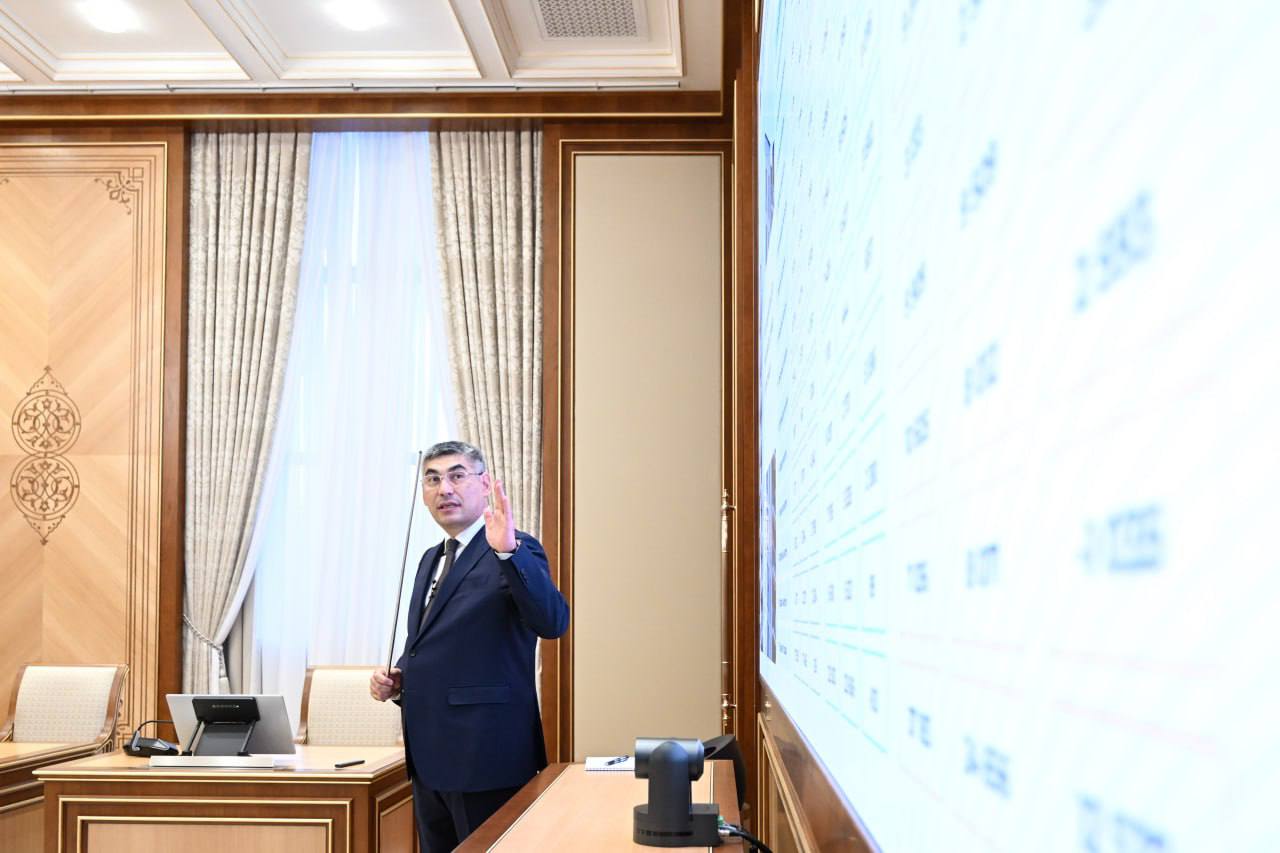
On February 3, President Shavkat Mirziyoyev reviewed a presentation on the implementation of new approaches to urbanization and housing construction.
To meet the population's housing needs, over the past 8 years, 120 million square meters of living space, or more than 600,000 houses and apartments, have been built and commissioned in our country. To facilitate housing acquisition, 541,000 citizens were provided with preferential mortgage loans and subsidies totaling 103 trillion soums.
The growth in the scale of construction has given a powerful impetus to the development of the building materials industry, which has become a driver of development for many regions. The level of urbanization has increased from 40.3 percent in 1991 to 51 percent.
The Head of state noted that the work carried out to date remains insufficient. In the republic, about 200,000 new families are formed annually, which means a further increase in demand for new housing, roads, and social infrastructure. At present, the average amount of living space per person stands at 18.9 square meters. To raise this indicator to at least 23 square meters, it will be necessary to increase the annual volume of new housing construction to 280,000 apartments by 2040.
To this end, management in the sphere of urbanization has been structured based on a new system, and a separate committee has been established, tasked with gradually increasing housing construction volumes. In particular, it is planned to build housing for 140,000 apartments in 2026, 150,000 apartments in 2027, and 160,000 in 2028.
The President emphasized that well-organized urbanization plays an important role in creating conditions for the development of business and startups, the formation of industrial and IT clusters, and in increasing labor productivity.
At the presentation, particular attention was paid to the effective use of land resources. According to estimates by international organizations, the disorderly expansion of settlements in some regions could lead to a shortage of agricultural land in the future.
In this regard, it was noted that it is necessary to renew the outdated housing stock and increase the share of renovation in housing construction. Thus, it is planned to increase the share of renovation from the current 15 percent to 60 percent by 2040, as well as to expand the construction of "New Uzbekistan" residential areas, increasing their number to 120.
Currently, the process of obtaining permits in the construction industry consists of 9 stages and takes an average of 90-120 days. However, in international practice, thanks to the "construction-ready land" mechanism, this procedure takes only 7-15 days.
It has been proposed to introduce this system in our country. Thus, all preparatory procedures and permit processing will be completed before the land plots are offered for auction. As a result, an entrepreneur who wins at the auction will be able to receive all necessary documents automatically, without additional paperwork and approvals. The auctioning of land plots not ready for construction will be prohibited, and all procedures will be conducted transparently and within shortened timeframes.
It was noted that the quality of construction primarily depends on the project documentation. It is necessary to radically improve the activities of the design organizations "ToshboshplanLITI", "UzshaharsozLITI", "UzGASHKLITI", and "Qishloq qurilish loyiha", to attract highly qualified foreign specialists for this purpose, and to implement modern management systems.
For accurate and effective planning of urbanization and housing construction processes, the extensive use of digital technologies is required. Accordingly, the presentation proposed the development of the “Uy-joy” information system, comprising a unified database of general and master plans, the “Yer banki” database of land plots ready for construction, a unified geoinformation database of apartment buildings, an escrow system, a rating of developers, and others.
Having approved the proposed measures, the President instructed the responsible officials to consistently implement systemic, well-calibrated, and long-term approaches in this field and to ensure the fulfillment of the set targets.


When using materials reference to www.president.uz is required
© 2026 Official web-site of the President of Uzbekistan
All rights reserved
Attention! If you find an error in the text, select it and press Ctrl + Enter to notify the administration
