

23.02.2026
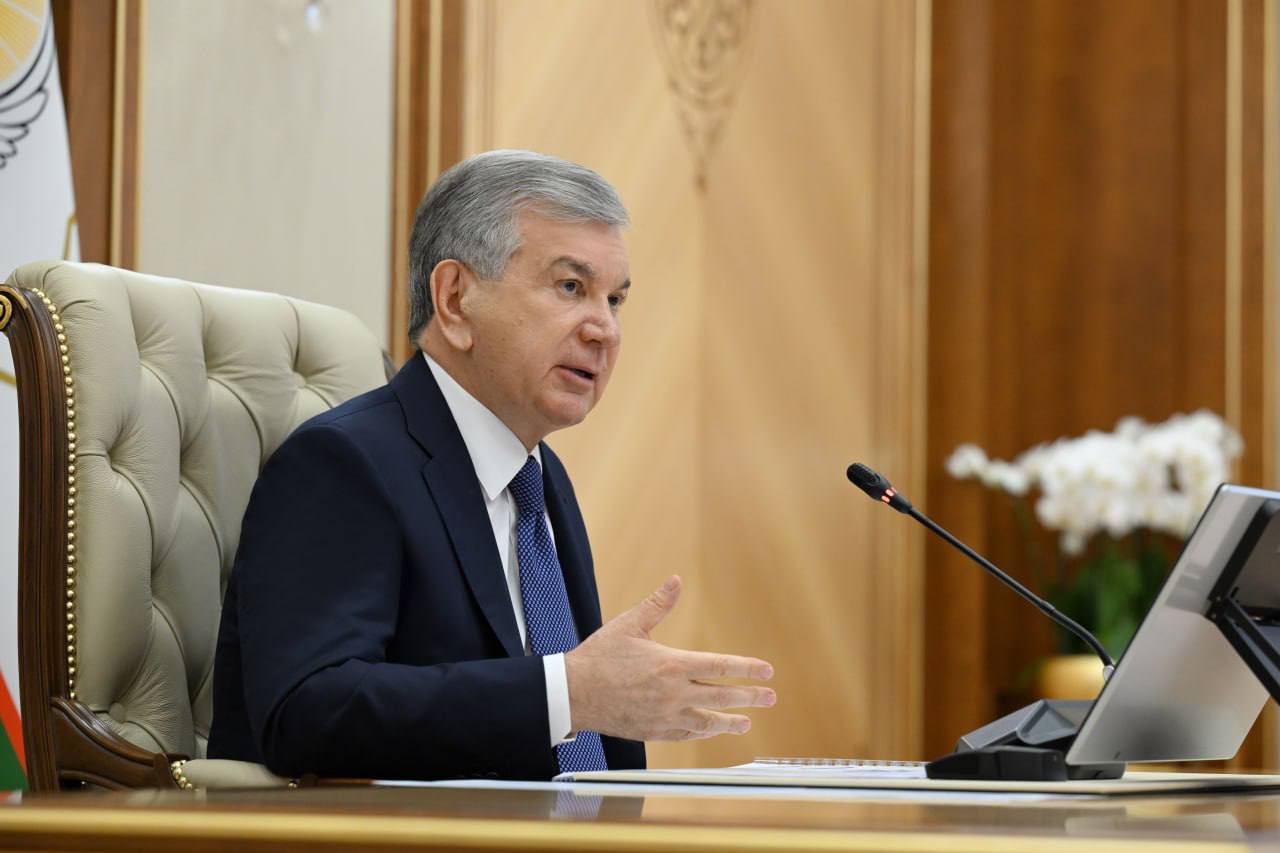
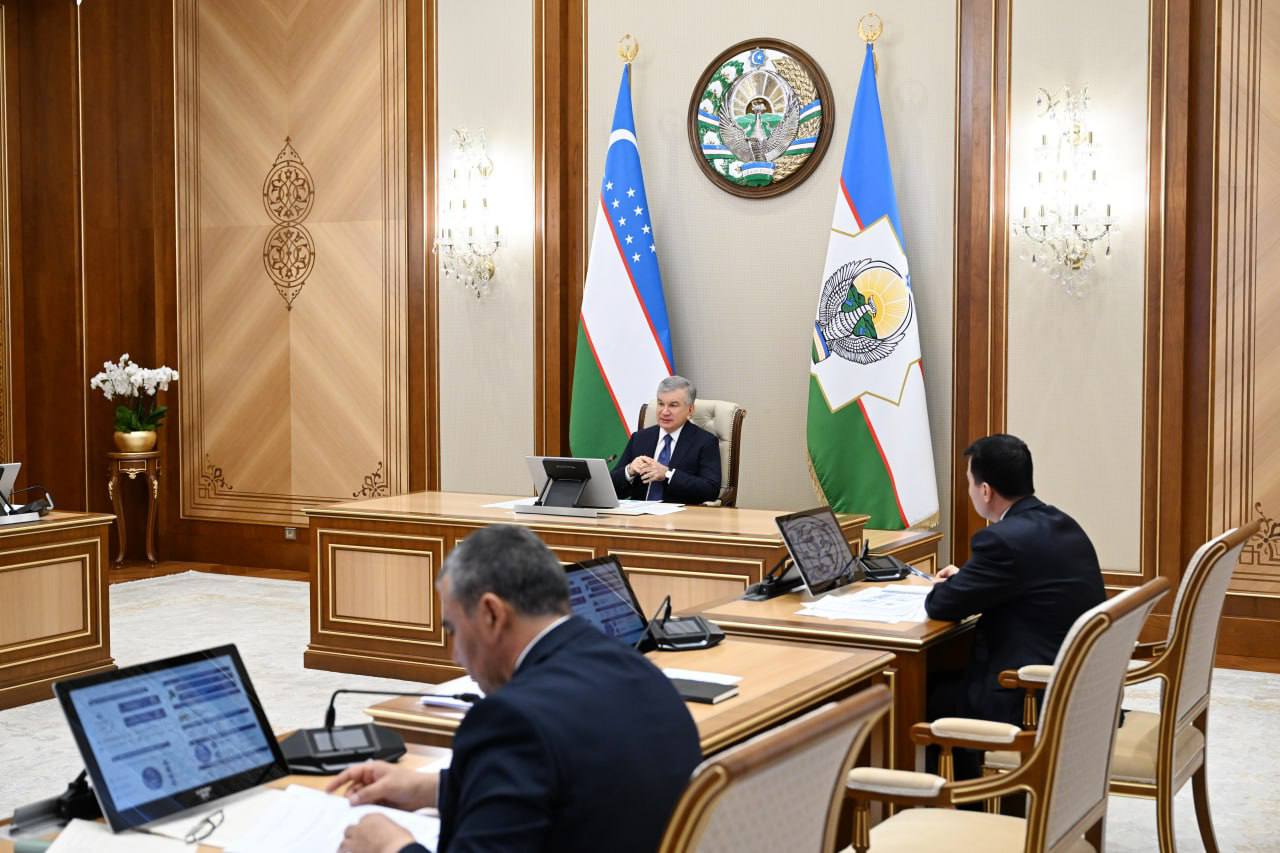
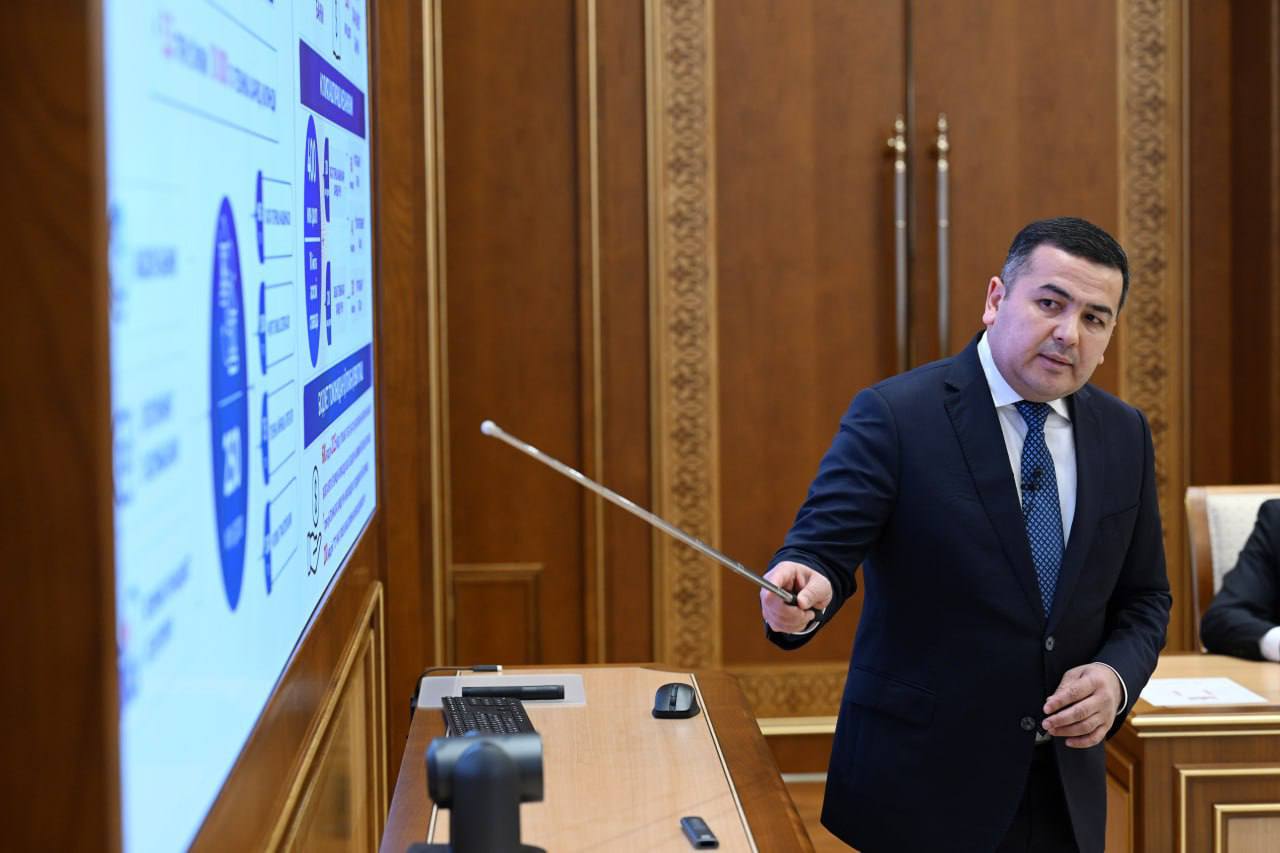
President Shavkat Mirziyoyev reviewed a presentation on supplying the agricultural sector with specialized machinery and the widespread introduction of digital technologies across the sector.
Today, the level of mechanization in agriculture stands at 81 percent. In recent years, 1,756 cotton harvesters have been procured, raising the mechanization rate of cotton harvesting to 52 percent. Last season, 2.1 million tons of cotton were harvested by machine. As a result, manual labor has decreased 1.8-fold over the past five years.
The next objective is to increase the share of machine-harvested cotton to at least 70 percent. To this end, 800 cotton harvesters are scheduled to be procured in 2026, along with 6,000 seeders, tractors and combines. Overall, 10,000 units of agricultural machinery are to be acquired within the year, bringing the total fleet to 292,000.
To provide farmers with new machinery on favorable leasing terms, it is planned to attract 400 million from international financial institutions. The machinery will be provided in the national currency for up to 10 years at an interest rate of 18 percent, with a two-year grace period, while 8 percent of the interest rate will be compensated from the state budget.
During the presentation, particular emphasis was placed on the development of agricultural engineering and the expansion of domestic production and servicing as priority areas.
It was noted that from 2026 to 2028, production of domestically manufactured machinery and equipment is to increase fivefold, while the level of localization is to rise by 10 percent. Specifically, production is projected to reach 6,000 units in 2026, and by 2028, the localization rate is expected to increase to 30–35 percent for self-propelled machinery and to 60–65 percent for mounted and trailed equipment.
The current system for subsidizing the purchase of machinery and equipment applies solely to units with a localization level exceeding 25 percent. During the presentation, it was also proposed to introduce subsidies for the three most in-demand categories of imported machinery. In total, 660 billion soums are to be allocated this year to reimburse 15 percent of machinery costs.
The presentation further addressed measures to restore and support the operations of the Tashkent Tractor Plant.
Measures were presented on providing modern banking services in the sector and implementing solutions based on digital technologies and artificial intelligence.
In 2025, JSCB Agrobank provided 1.6 trillion soums in loans for agricultural machinery, and this year the figure is projected to rise to 3.9 trillion soums. The automation of lending processes will reduce the time required to provide financing from three days to three hours.
In addition, clients will be provided with comprehensive agricultural services. An agro-service zone will be established in each region, staffed by an agricultural agent. In these zones, farmers will be able to access banking and advisory services in a single location, as well as monitoring, soil analysis, seedling delivery, agronomic consultations and information on training courses.
The bank’s plans were also reviewed for the implementation of pilot projects utilizing artificial intelligence in livestock farming, horticulture and smart water management, as well as for the establishment of a new venture capital company with a charter capital of 100 billion soums to finance agricultural start-ups.
Approving the proposals, the Head of state instructed the responsible officials to further expand agricultural mechanization, strengthen domestic production and service, and enhance monitoring and financial services through digital platforms.


When using materials reference to www.president.uz is required
© 2026 Official web-site of the President of Uzbekistan
All rights reserved
Attention! If you find an error in the text, select it and press Ctrl + Enter to notify the administration
