

05.03.2026
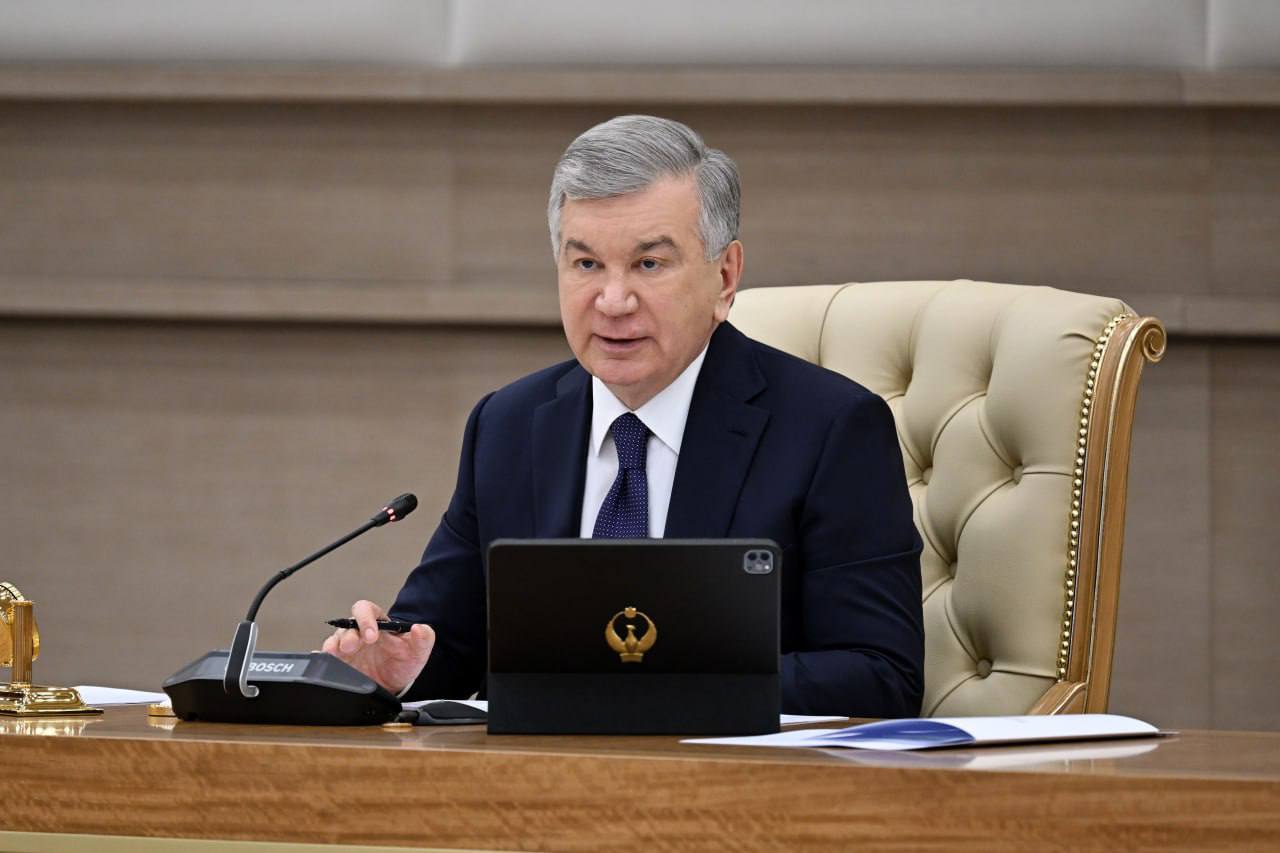
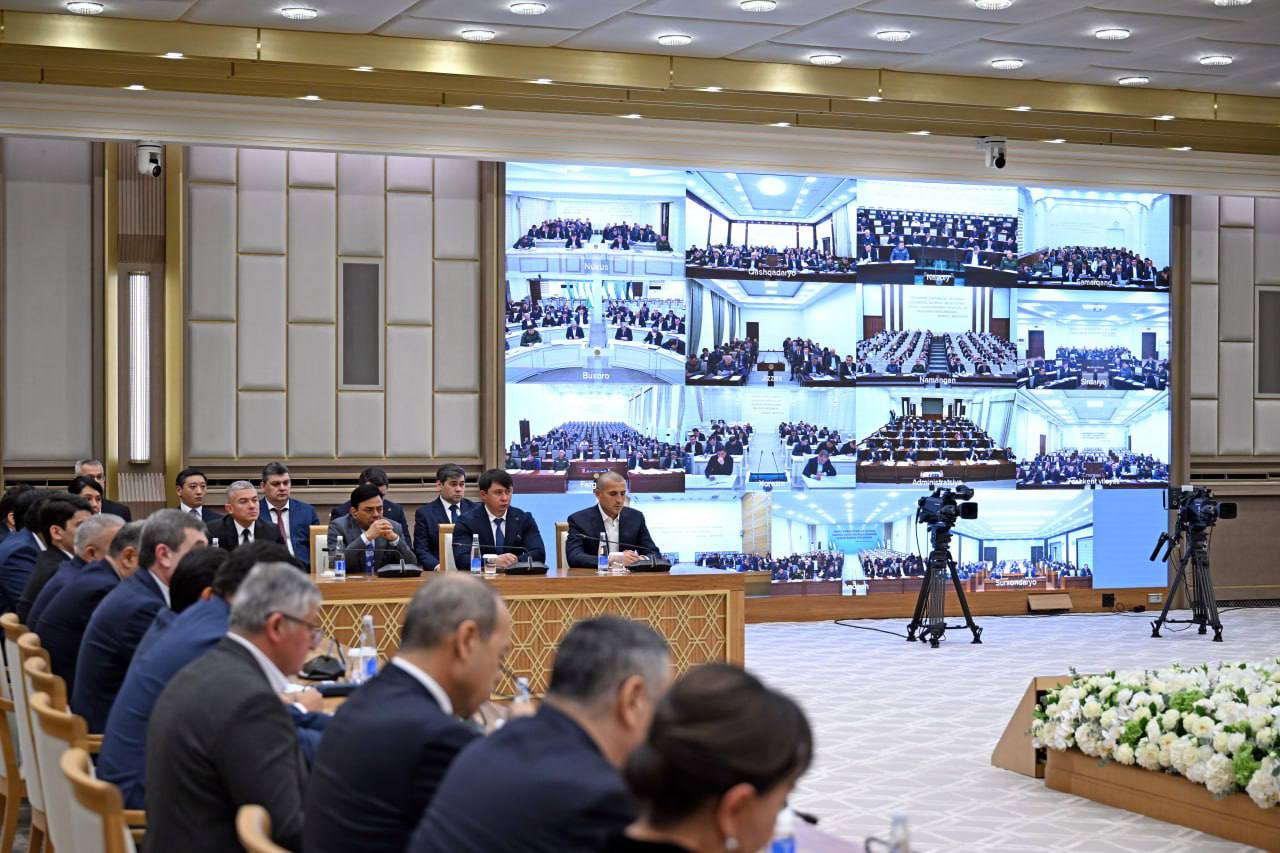
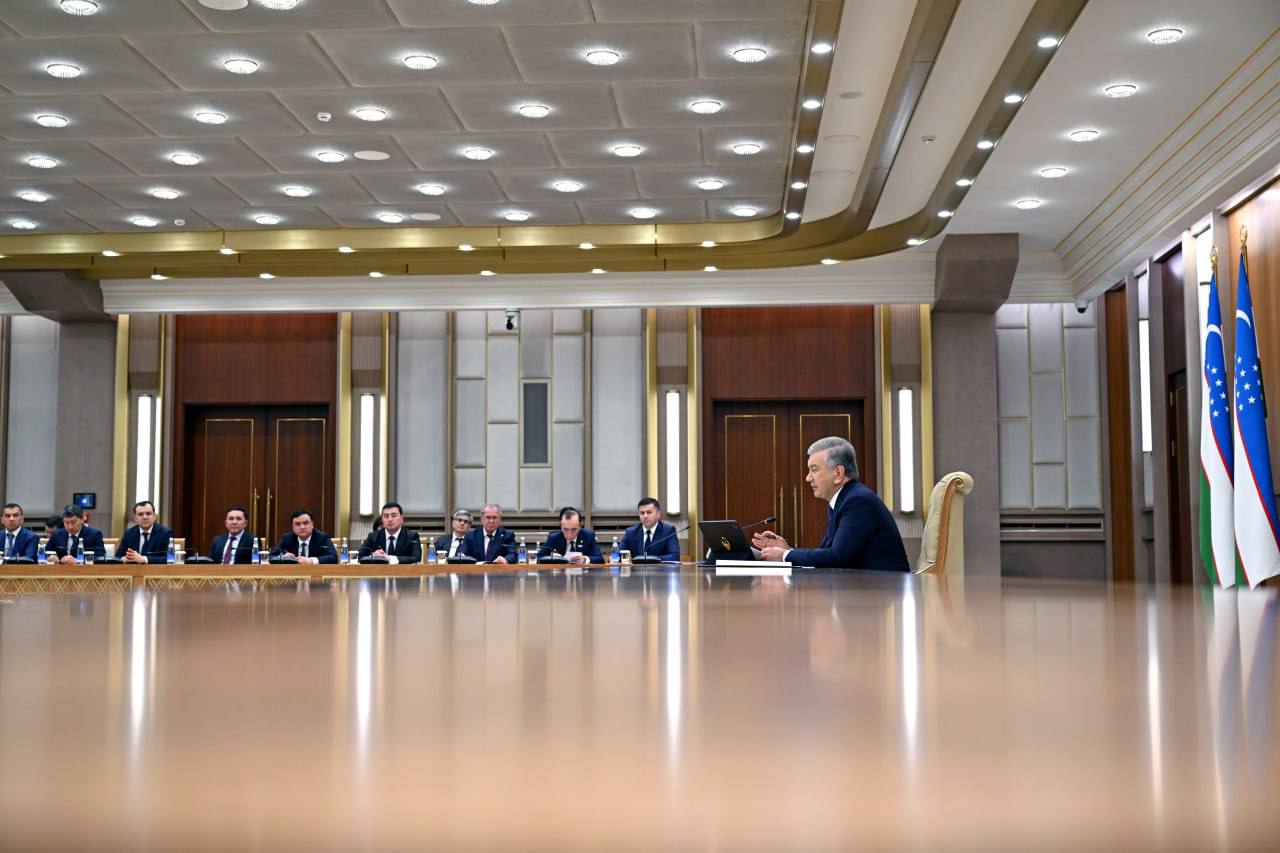
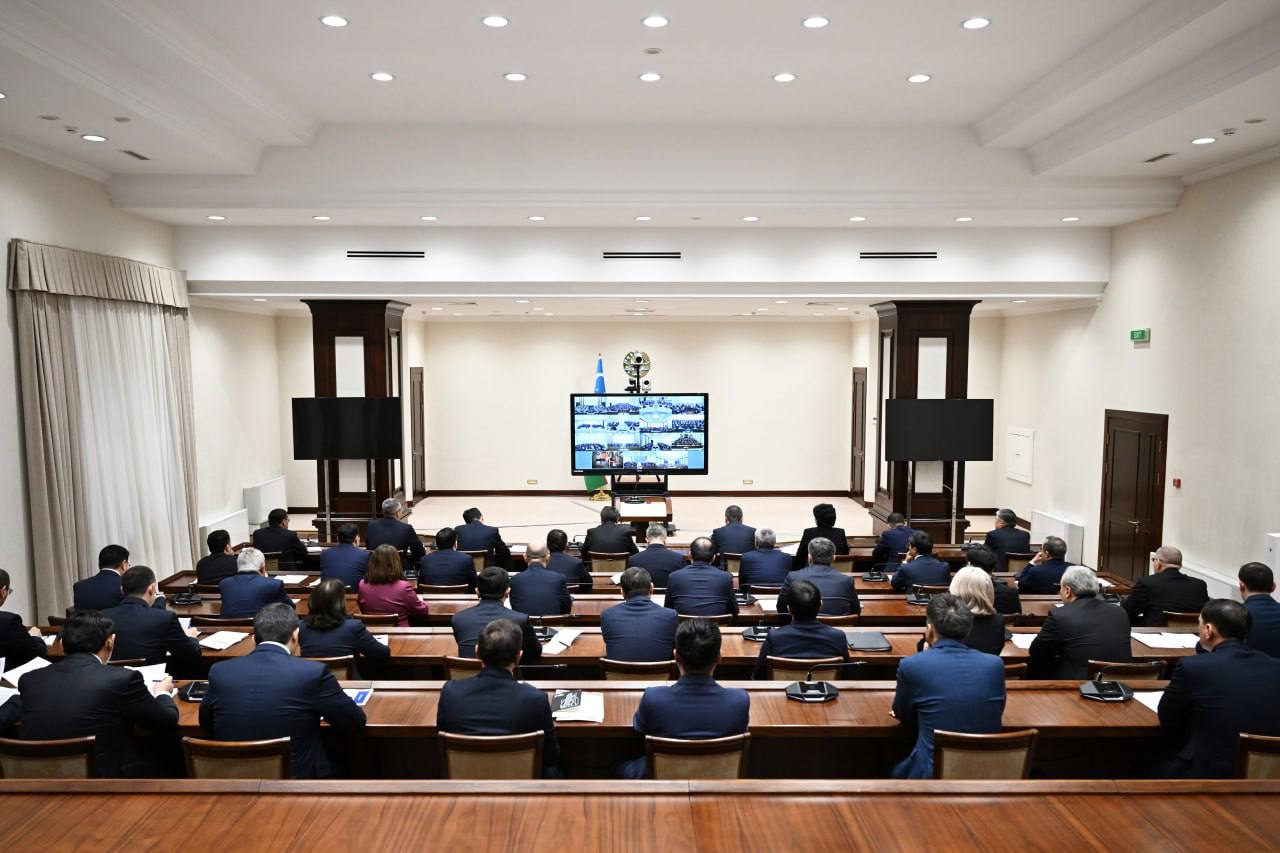
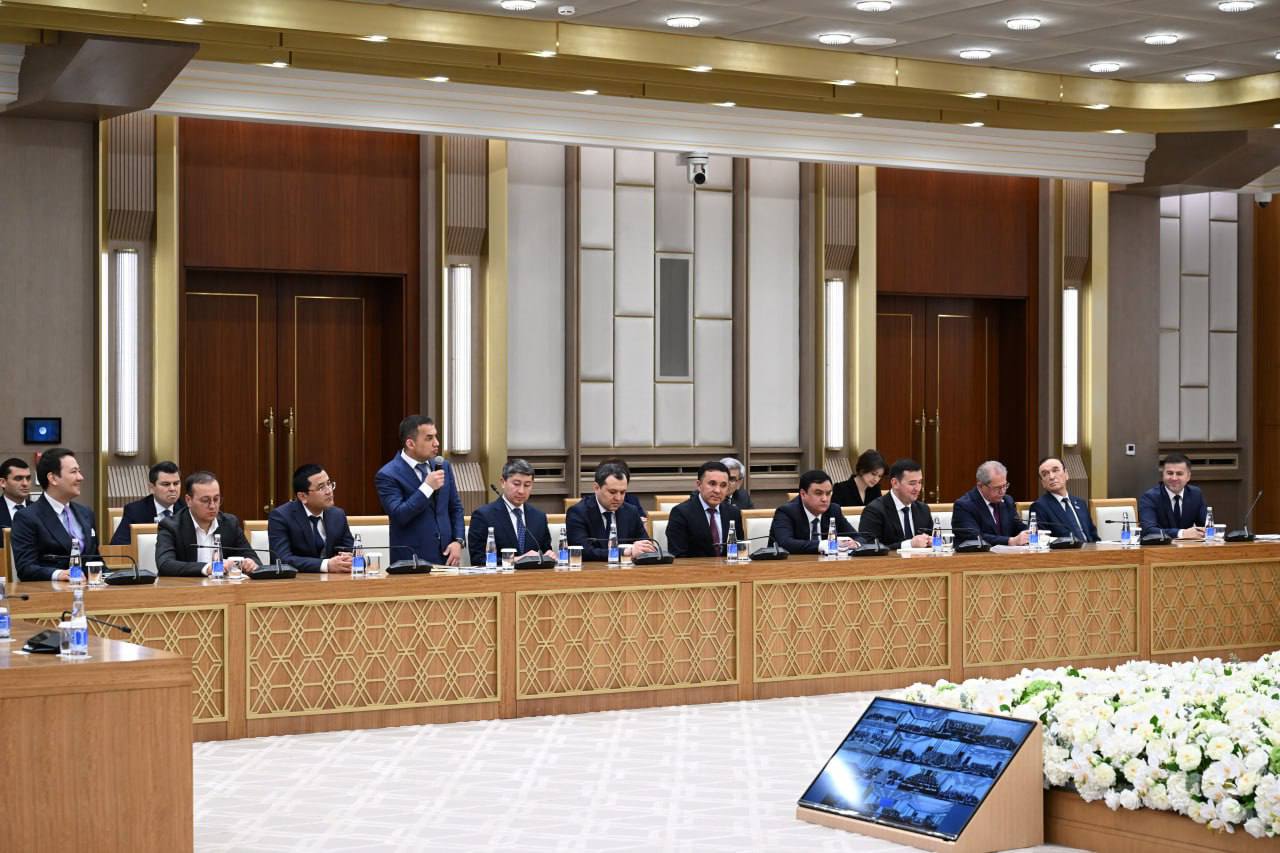
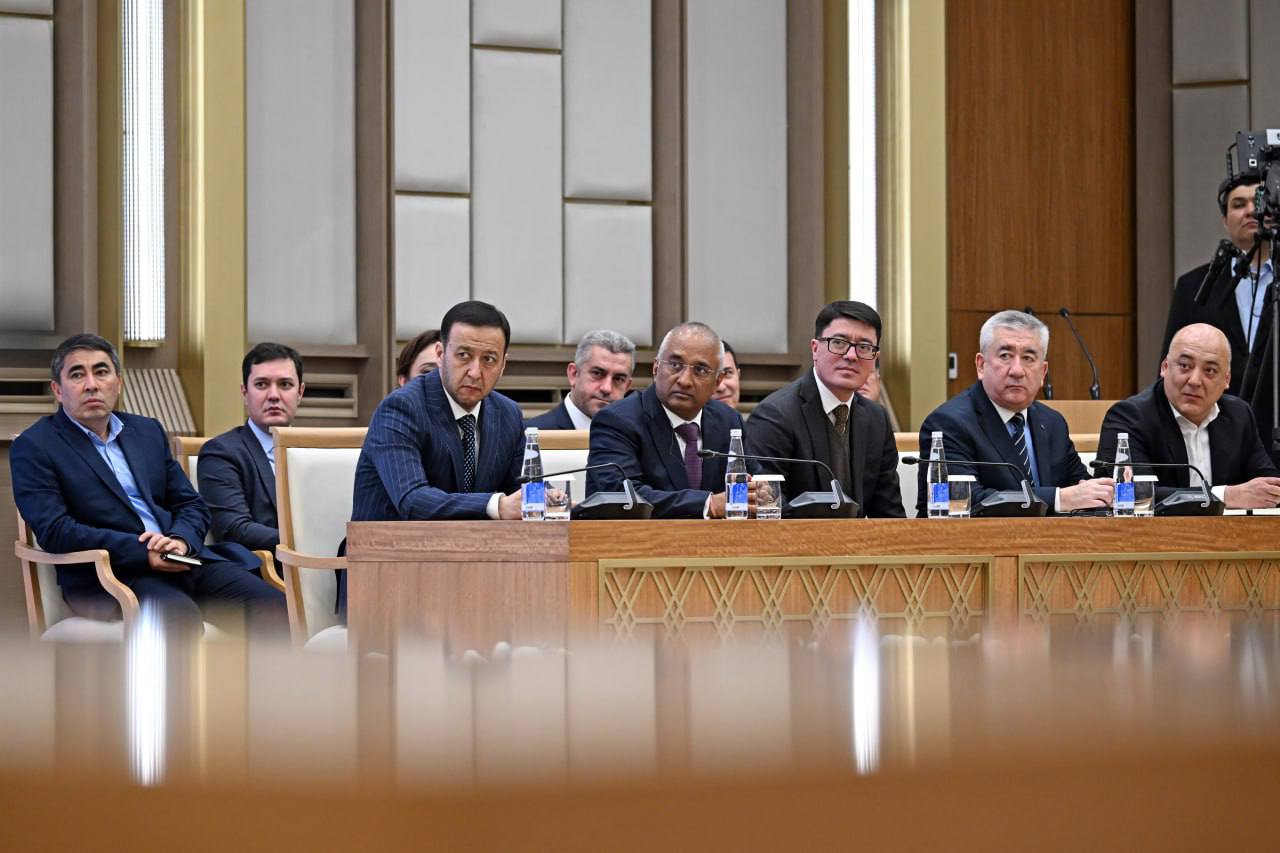
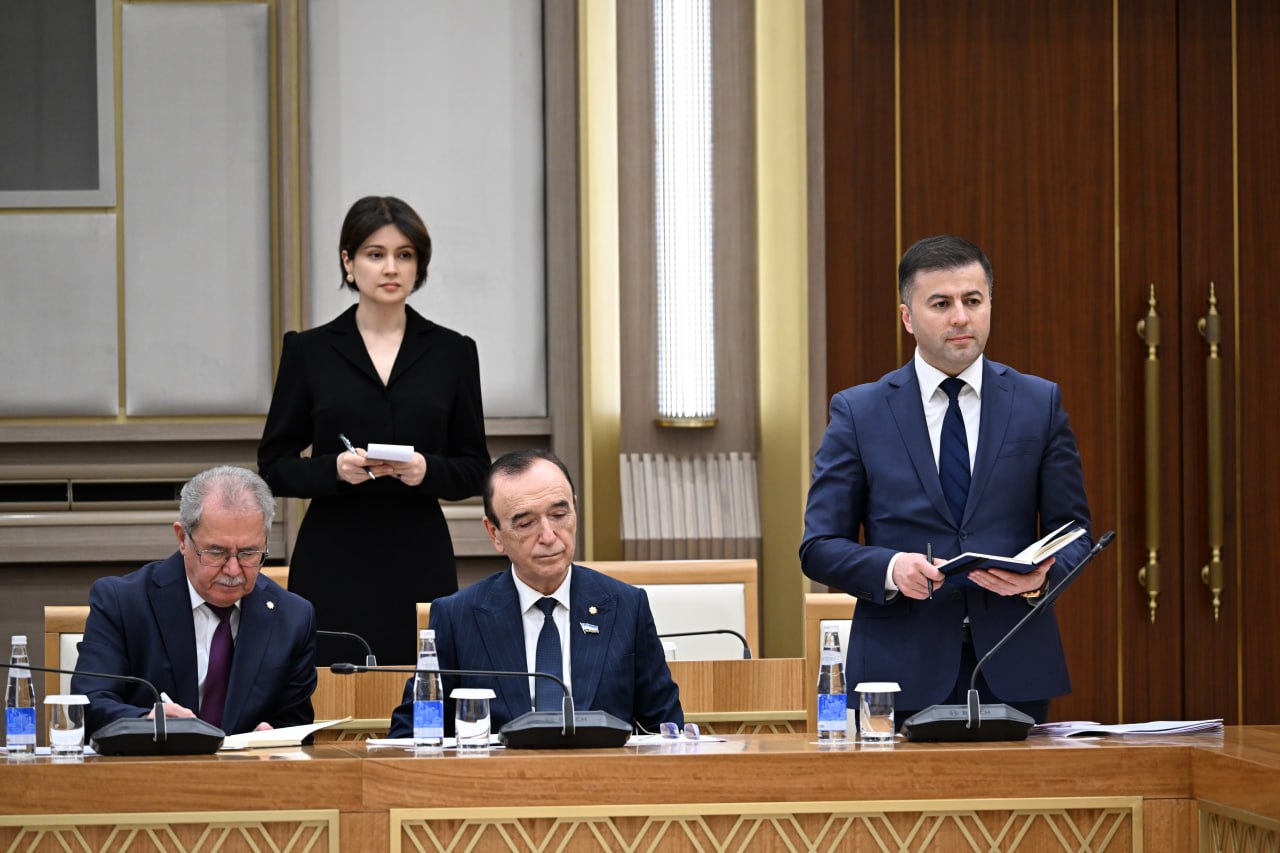
On March 5, President Shavkat Mirziyoyev chaired a meeting on expanding production and accelerating the introduction of advanced technologies in the pharmaceutical industry.
The Head of state noted that the pharmaceutical industry is strategically important, as it directly affects public health, the quality of life of the population, and the country’s economic security.
It was noted that in recent years broad opportunities have been created for the development of the sector. In particular, over the past nine years $1.8 billion has been invested in the industry and 140 new production facilities have been launched. Today, more than 300 pharmaceutical enterprises operate in the country, including 58 directly engaged in the production of medicinal drugs.
As a result, pharmaceutical output has increased 3.5-fold, exceeding 7.3 trillion soums. The production of domestically manufactured medicines has doubled. Pharmaceutical products made in Uzbekistan are supplied to the markets of 55 countries, and employment in the industry has surpassed 40,000.
In total, the volume of the market for medicines and medical devices in Uzbekistan has reached about $2.5 billion.
It was emphasized that this year responsible officials are tasked with attracting at least $1 billion in investment into the pharmaceutical industry, increasing the share of domestically produced medicines in the domestic market to 70 percent by 2030 through quality improvements and the launch of new production capacities jointly with foreign companies, as well as increasing export volumes to $1 billion within the next five years.
Five pharmaceutical industrial zones have been established in the republic on a total area of 136 hectares, with all necessary infrastructure created for them. However, in some regions these opportunities are not being used effectively.
For example, in the Jizzakh pharmaceutical zone, which covers 25 hectares, not a single batch of products was produced last year. A 14-hectare plot in the Bostanlyk pharmaceutical zone has remained unused since 2017. It was also noted that last year not a single enterprise was launched in the Jizzakh and Samarkand pharmaceutical zones, while only a few investment projects were implemented in the Bukhara and Khorezm pharmaceutical zones.
The meeting also reviewed proposals from entrepreneurs in the pharmaceutical industry. In particular, the issue was raised of applying tax benefits intended for pharmaceutical zones to enterprises located in regions where such zones do not exist.
The President supported this proposal and announced a number of new opportunities for pharmaceutical manufacturers.
Specifically, starting from April 1 this year, new projects for the production of pharmaceutical products, as well as the cultivation and processing of medicinal plants, regardless of their location, will be exempt from land tax for three years. After the project begins implementation, profit tax and property tax will also not be levied for three years.
Additionally, the import of raw materials, equipment, and components for manufacturers of biologically active supplements and cosmetics will be exempt from duties. Pharmaceutical enterprises will be allowed to produce biologically active supplements on their own production lines.
By July 1, a list of medicines and medical devices recommended for localization will be published for entrepreneurs. Projects aimed at producing items from this list will be eligible for foreign-currency loans at an interest rate of 7 percent.
Enterprises planning to deepen the localization of existing products will be provided with loans from the Industrial Cooperation Fund for up to 10 years at interest rates of 6 percent in foreign currency and 12 percent in the national currency.
The meeting also paid special attention to attracting foreign pharmaceutical companies to the country and establishing technology transfer with them.
It was noted that almost half of the medicines imported into the country are produced by 34 foreign companies. In this regard, it is necessary to encourage the localization of their production in Uzbekistan. Major importing enterprises were also recommended to increase their social responsibility and take the initiative in establishing the production of branded medicines in the country.
To stimulate this process, the royalty tax paid by enterprises for the use of foreign brands will be reduced from 20 percent to 5 percent.
Twenty to twenty-five years after the creation of an original drug, other pharmaceutical companies also gain the right to produce it. Mastering the production of such medicines allows for a significant reduction in prices on the domestic market.
In this regard, enterprises that establish the production of high-demand medicines within one year will have 50 percent of their technology transfer costs reimbursed by the Fund for the Support and Development of the Pharmaceutical Industry.
Furthermore, in order to expand the production of the 100 most frequently imported types of medicines, the area of the “Tashkent Pharma Park” pharmaceutical cluster will be expanded by an additional 100 hectares.
The meeting also discussed issues related to the export of pharmaceutical products. Although the industry’s exports reached $220 million, only $14 million of this amount is accounted for by medicinal products.
In this regard, the importance of ensuring that enterprises operate in accordance with international standards was emphasized. Currently, all 58 pharmaceutical companies hold national GMP certificates. It was noted that their operations must now be brought into compliance with European GMP standards.
Starting from June 1, 50 percent of the costs incurred by local enterprises in obtaining a European GMP certificate will be compensated by the Trade Promotion Fund.
The meeting also addressed issues related to expanding the participation of domestic manufacturers in the public procurement system. It was noted that some enterprises are currently unable to supply products to state organizations because their level of localization is below 30 percent.
In this regard, entrepreneurs holding a domestic manufacturer certificate will be allowed to participate in public procurement until September 1, regardless of their level of localization.
It was noted that last year more than 57,000 types of unregistered and counterfeit medicines were identified in the country.
In this context, the importance of developing a draft law to tighten liability for the illegal trafficking of medicines and the circulation of products of dubious quality was emphasized.
The meeting also addressed the need to bridge the gap between science and domestic production.
Today, more than 300 scientists work in six specialized research institutes, while higher education institutions train nearly 1,000 specialists annually. However, the implementation of scientific developments in practice remains limited.
In this context, the National Research Institute of Biopharmaceuticals will be established on the basis of the Institutes of Chemistry and Pharmaceutics, Vaccines and Serums, and Oriental Medicine. It will be located within the “Tashkent Pharma Park” cluster, enabling the direct integration of scientific research with production.
A preclinical research laboratory, centers for biological and chemical research, and an international clinical research center with 250 beds will also be established within the park.
Furthermore, professors and lecturers from the Tashkent Pharmaceutical Institute and the Pharmaceutical Technical University will conduct their research activities within the pharmaceutical park. Students will have the opportunity to study and work at enterprises under a dual education system.
Enterprises will be compensated for expenses of up to $100,000 incurred in projects aimed at producing new medicinal products with the involvement of invited scientists. Enterprises that launch the production of new drugs developed by domestic scientists will also receive subsidies of up to 100 million soums to cover the costs of registration and clinical trials.
During the meeting, proposals and initiatives from representatives of pharmaceutical enterprises were presented, reports from responsible officials were heard, and relevant instructions were given to ensure the implementation of the assigned tasks.


When using materials reference to www.president.uz is required
© 2026 Official web-site of the President of Uzbekistan
All rights reserved
Attention! If you find an error in the text, select it and press Ctrl + Enter to notify the administration
