
07.04.2026
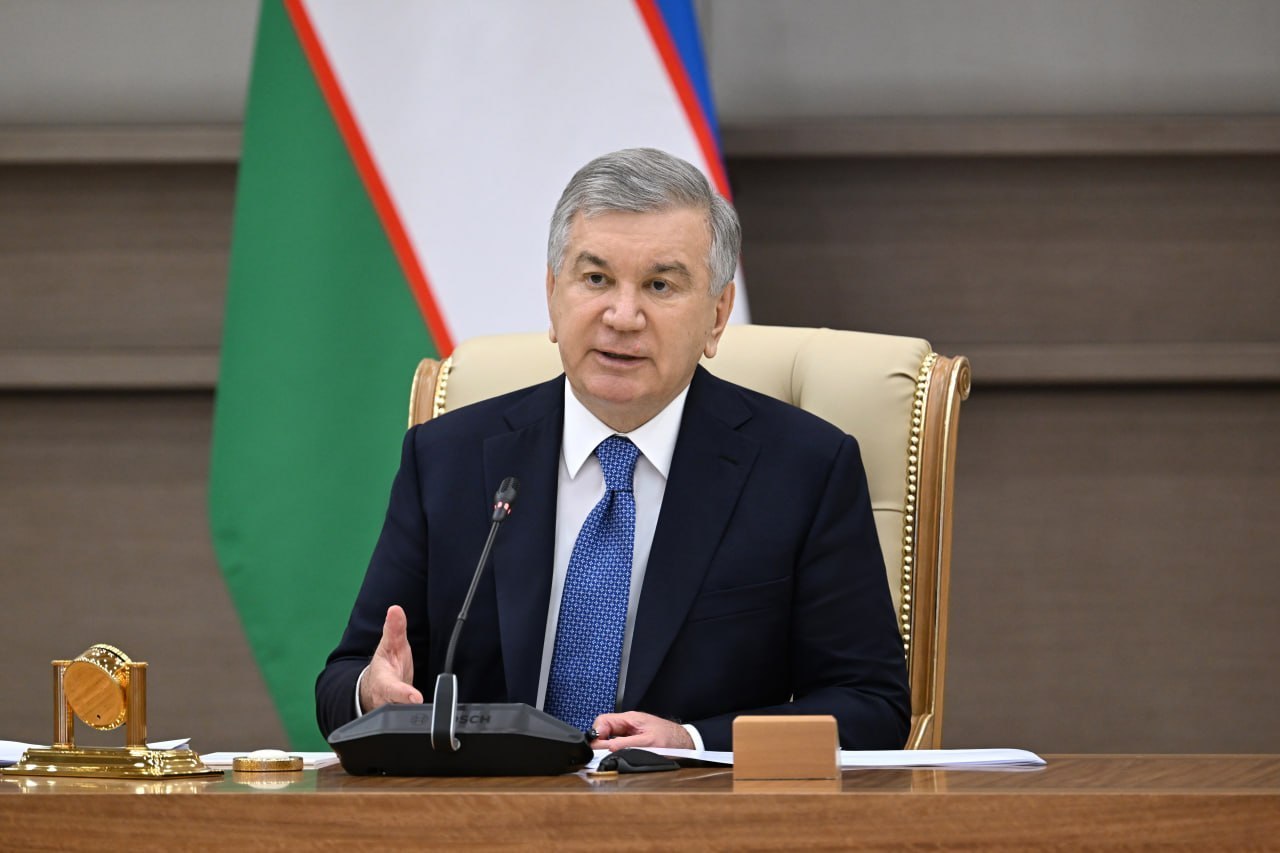
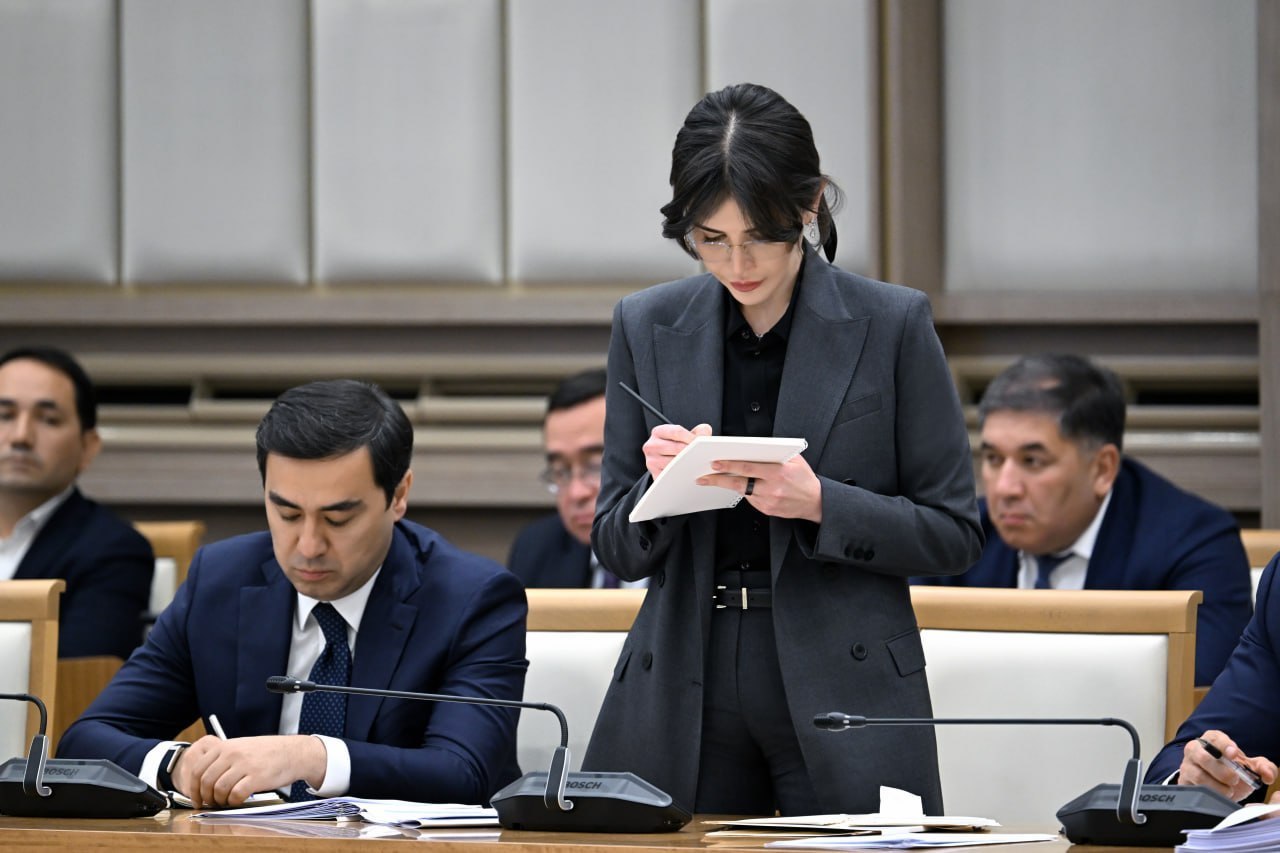
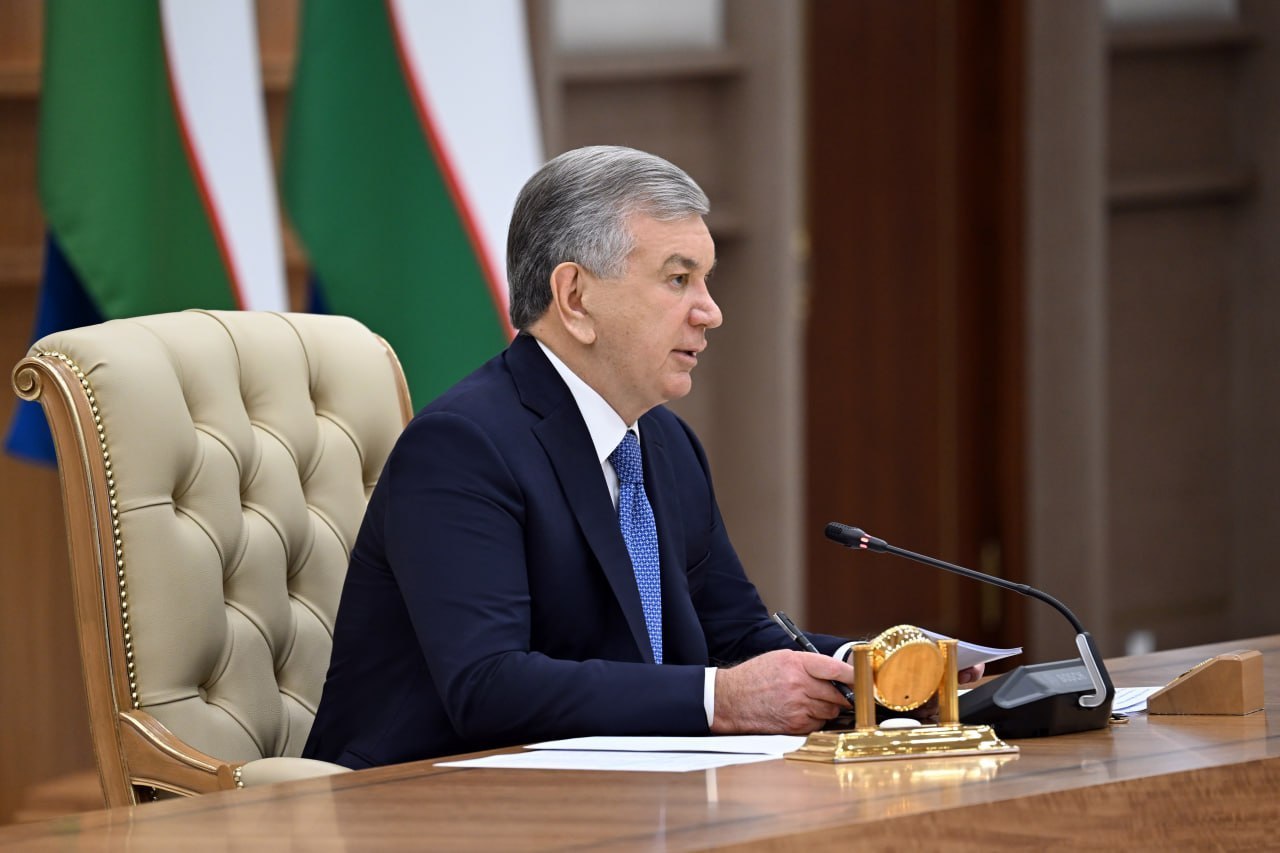
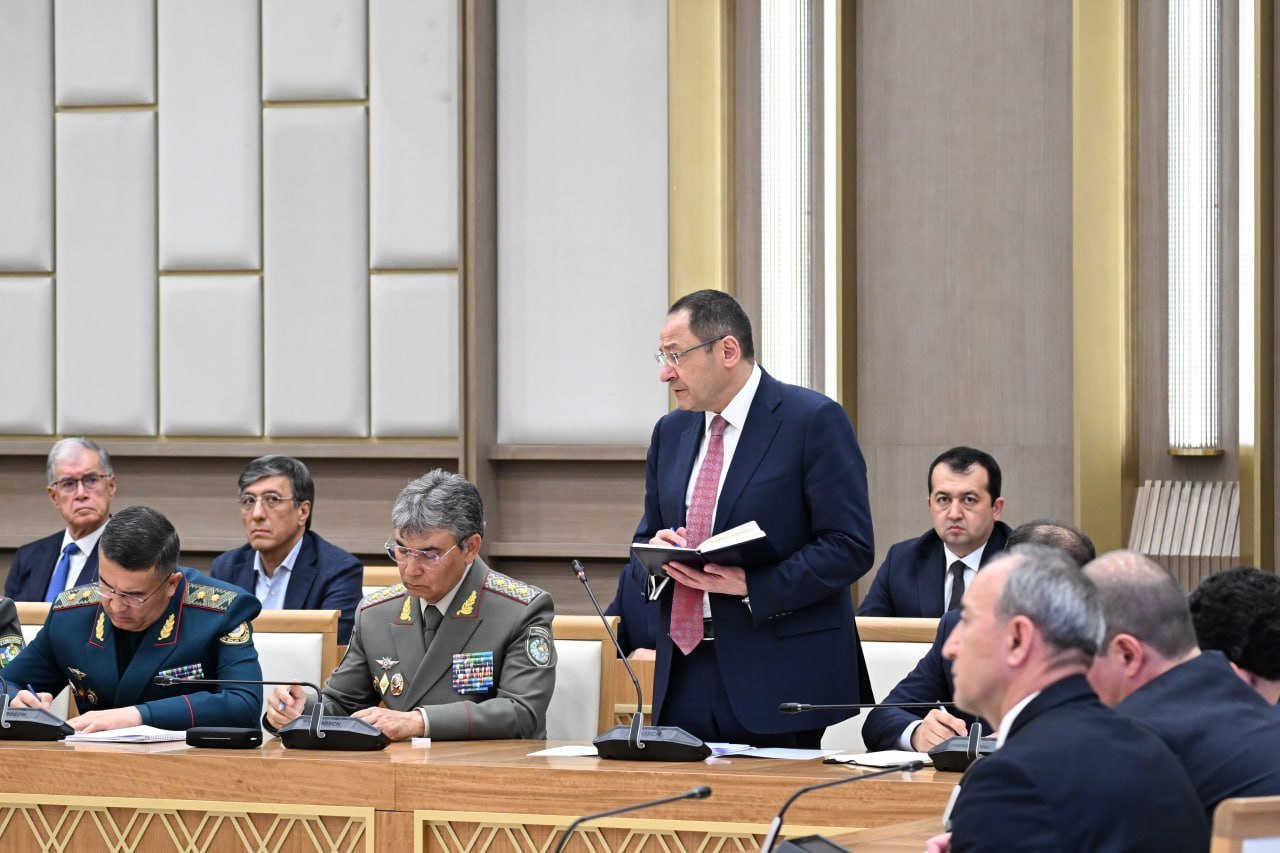
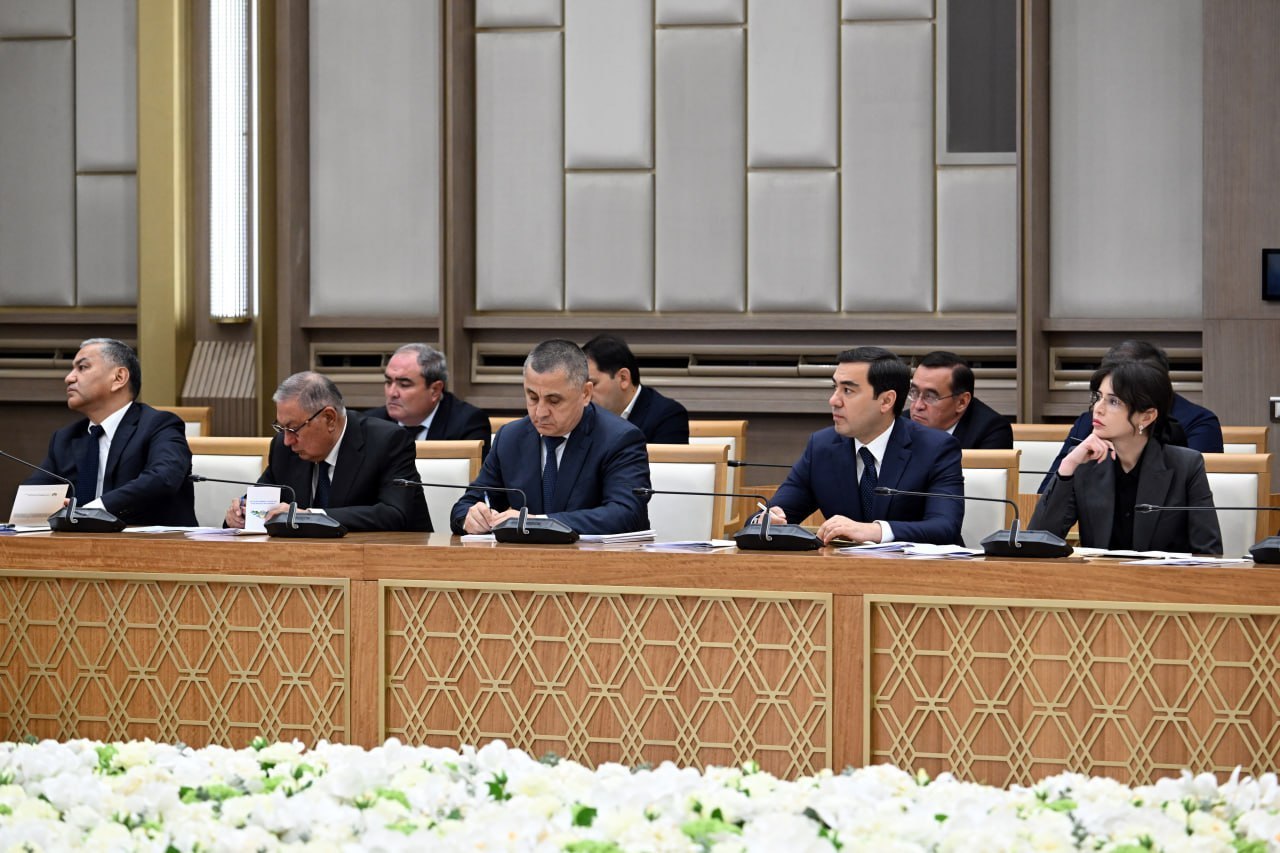
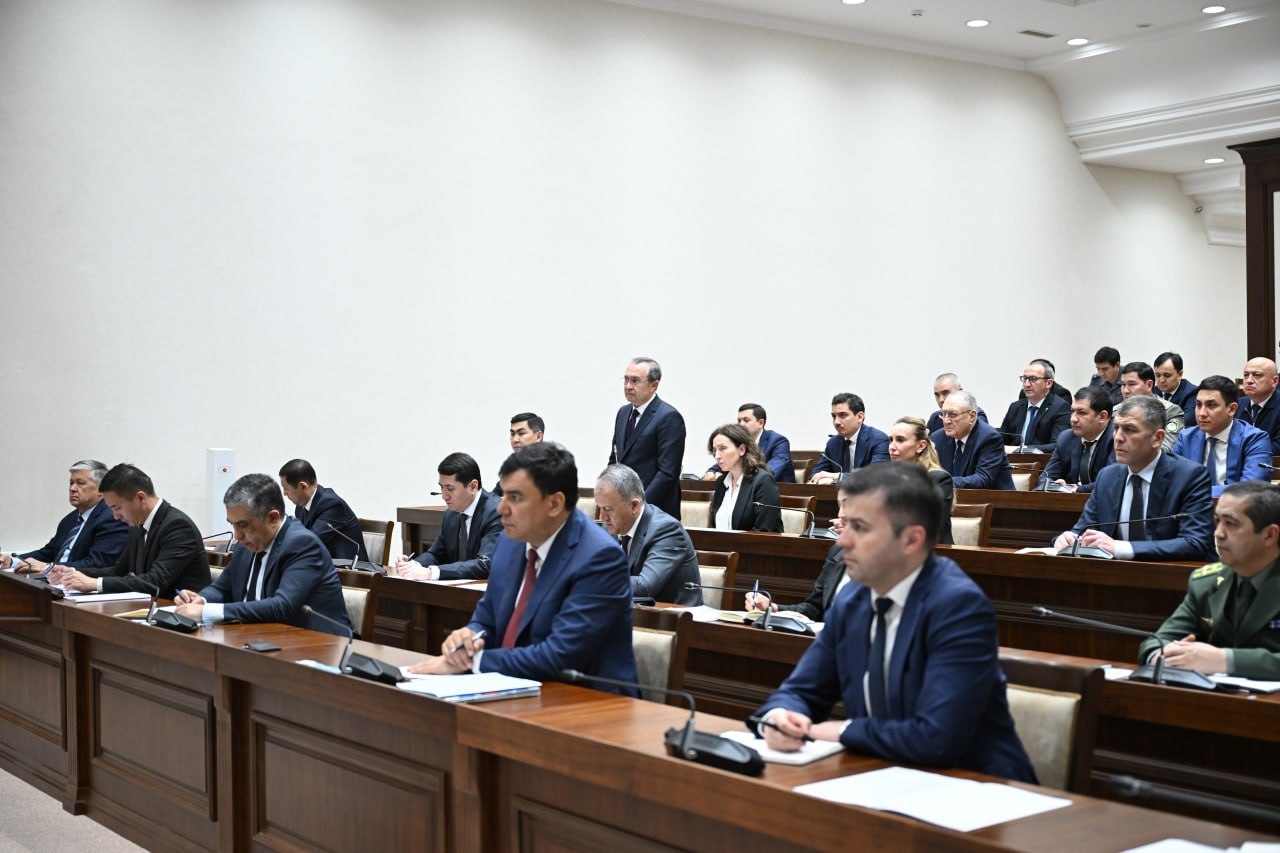
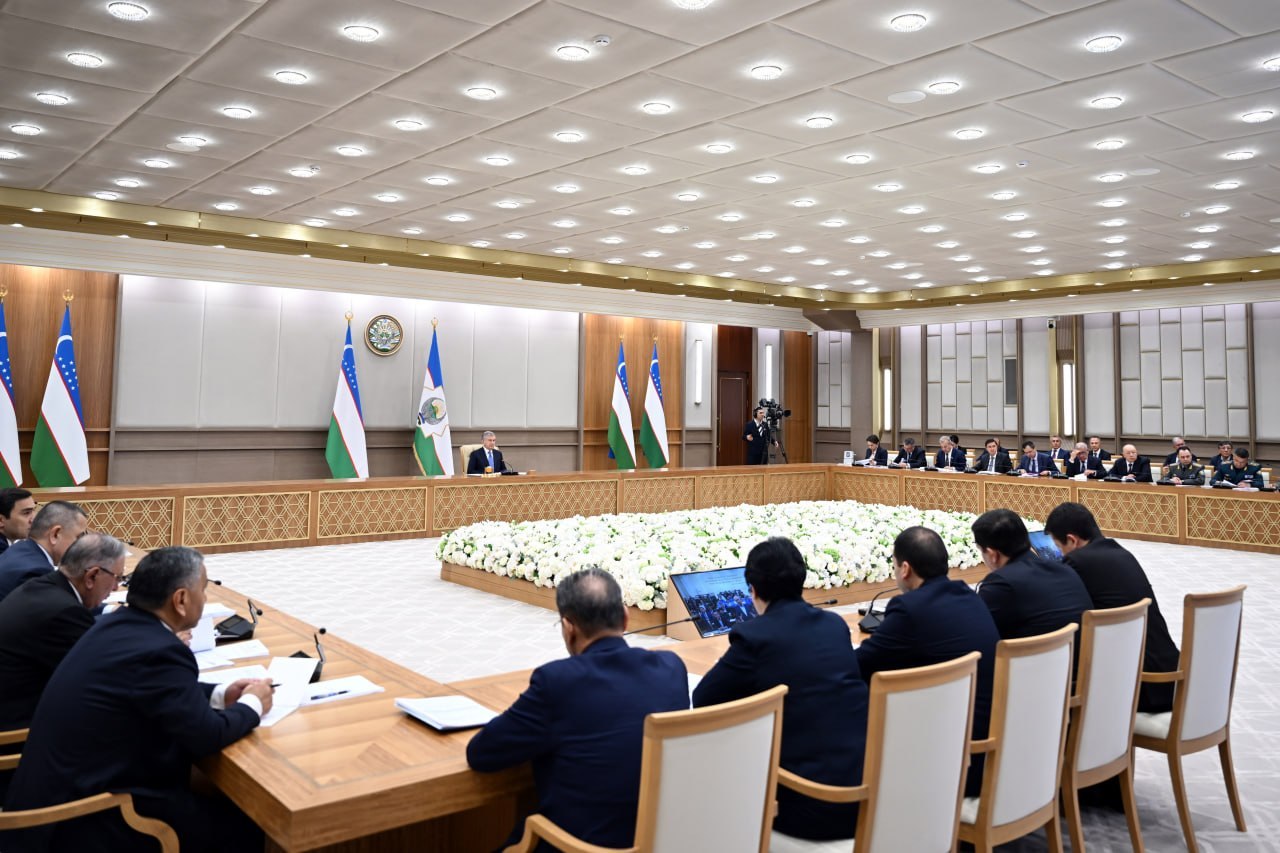
President Shavkat Mirziyoyev chaired a meeting on issues of elevating physical culture and sports to a qualitatively new level, widely promoting sports, and improving the system of talent identification and training.
At the beginning of the meeting, the Head of State emphasized that sport is not only about competition but also a powerful force that promotes the a healthy life, discipline, patriotism, and the country's prestige.
As noted, over the past nine years, 1,774 modern sports grounds have been built in more than 1,500 districts. More than 200 major sports facilities and around 4,000 private sports clubs have been established in the regions. The number of young people professionally involved in sports has doubled, while the number of athletes in the Olympic and Paralympic teams has increased twofold and threefold, respectively.
Last year alone, our athletes won 452 gold, 418 silver, and 501 bronze medals at international competitions with more than 50 setting new world and Asian records.
During the meeting, alongside a review of the results achieved in this sphere, existing challenges and shortcomings were also analyzed in depth.
The performance of the heads of 26 Olympic sports federations, as well as regional khokims, was criticized for not fully utilizing available opportunities on the ground. In particular, it was noted that more effective use of the potential of 207 higher education institutions, 15 Olympic and Paralympic centers, 310 sports schools, and 16 sports boarding schools could significantly improve outcomes in training champions and securing competition licenses.
Positive experience in this area was also noted. In particular, in the Zarbdor district last year, 34,000 young men and women from 23 mahallas were engaged in mass sports. The district built threenew sports halls specializing in table tennis, taekwondo, and volleyball. In cooperation with entrepreneurs, two indoor football fields and a fitness club were established. As a result, the Zarbdor district will host the nationalchampionships in volleyball and table tennis for the first time this year.
Responsible officials were instructed to study the Zarbdor experience and implement it across all regions.
Responsible officials were instructed to study the Zarbdor experience and replicate it across all regions. It was also noted that in some schools, sports clubs exist only formally, resulting in participation of just three to four children. For example, last year, a quarter of schoolchildren in Jizzakh, Kashkadarya, and Fergana did not meet minimum physical fitness standards.
Khokims were tasked with creating the necessary conditions for sports sections to operate in every school, and to expand the coverage and involvement of children in sports.
Today, the performance of some specialized sports schools is no better than that of regular sports schools. For example, the results of four specialized schools in Termez fall short of those achieved by a single sports school in Jarkurgan, which won six medals at Asian and world championships last year, while the four specialized schools in the region secured only one.
In this context, it was emphasized that the working methods of directors, staff, and coaches at each specialized sports school must be revised, with clear growth targets defined and monthly salaries linked to the performance of their trainees.
Moreover, for sports schools achieving high results, a separate reward of 500 million soums will be introduced in addition to the existing incentive system.
Work on sports development in higher education institutions was also critically reviewed. Insufficient interaction with federations and shortcomings in assigning individual coaches to talented students were identified. At Jizzakh Polytechnic Institute, the Termezbranch of Tashkent Medical University, Karshi State Technical University, and Bukhara State University, 70 percent of students failed to meet physical fitness standards. This indicates shortcomings in the performance of sports clubs at these institutions.
In this context, the rectors of 207 higher education institutions were instructed to study the positive experience of Termez State University in this area and to develop concrete annual plans for sports development.
During the meeting, results across individual sports were also analyzed. In particular, it was noted that, thanks to the creation of necessary conditions at the shooting base, significant progress is being achieved in this sport. Positive dynamics were also noted in football, wrestling, cycling, athletics, and swimming.
At the same time, it was noted that the number of athletes training at six fencing bases in Jizzakh does not even reach 100, and that the potential in trampoline and acrobatics, as well as in tennis and equestrian sports, remains underutilized.
It was noted that athlete recovery after injuries, muscle condition monitoring, and functional analysis are predominantly carried out abroad, with federations often compelled to engage foreign sports doctors, pharmacologists, and nutritionists.
In the future, each specialized medical center will interact with the respective sports federations. The centers will conduct monthly health diagnostics of national team members, assess the risk of injury, scientifically analyze physical loads, and provide medical recommendations to coaches.
The Head of State also put forward a number of initiatives aimed at advancing reforms in this sphere to a new level.
The effectiveness of mass sports in each mahalla will now be assessed not only by participation rates but also by the population’s health indicators. In each region, one district will be selected to establish a “health balance” model. A corps of healthy lifestyle volunteers will be formed from among citizens actively engaged in sports, who will promote sports and the principles of a healthy lifestyle in the mahallas.
In each district, the 10 most exemplary mahallas under this system will be provided with free sports uniforms and equipment. In mahallas where sports participation increases, public health improves, and the incidence of cardiovascular diseases and diabetes declines, both the volunteer and the mahalla chairman will receive an incentive of up to 15 million soums at year-end. The coach responsible for mass sports activities in that mahalla will also receive a salary supplement of up to 200 percent.
It was noted that intensive forms of exercise that do not require specialized equipment or extensive infrastructure, such as CrossFit, are gaining increasing popularity worldwide. In this context, instructions were given to establish CrossFit clubs in all schools and technical colleges by May 1. Starting next year, CrossFit will be incorporated into the Five Initiatives system.
The meeting also defined a new procedure for promoting sports within government bodies and organizations. Under this approach, every minister, head of an industry and bank, as well as regional and district khokims, must set an example for their employees in engaging in sports and create conditions to expand their participation.
For this purpose, one day each week will be designated as Sports Day. On this day, sports activities will be held in ministries, agencies, and organizations. Starting this year, national championships will be held annually among ministries, industries, banks, and khokimiyats.
Additional opportunities for the development of public sports will also be created in the private sector. In particular, entrepreneurs will be able to deduct the costs of building and equipping gyms and sports fields for their employees from their taxable profit. The income tax and social tax for employed coaches will be set at 1 percent.
A fundamentally new approach, based on the “district–school–sports institution–federation” cycle, for promoting public participation in sports and talent identification was announced at the meeting.
A tripartite agreement will now be concluded between the university rector, the head of the federation, and the khokim. Under this arrangement, khokims will create the necessary conditions and infrastructure to organize sports sections in schools, technical colleges, and other sports facilities across the region, enabling students to engage in sports outside school hours.
The importance of introducing dual education for students of sports universities and enabling them to work in clubs as coaches was also emphasized. Such students will automatically be awarded a coaching certificate. Fifty percent of the income generated from their sections will remain at the disposal of the student-coach. Graduates of dual education programs will receive a referee certificate along with their diploma.
The meeting set the task of doubling the number of citizens regularly engaged in sports this year through the new system, bringing their number to 1 million people.
Responsible officials were instructed to develop a unified platform using artificial intelligence to analyze the performance of athletes and coaches and to generate training plans.
It was emphasized that scientific research in the field of sports must henceforth be focused exclusively on addressing current challenges, with results directly applied in practice. If such research delivers tangible outcomes, contributes to improved athletic performance, and increases the number of medals at international competitions, the scientists involved will be awarded a prize of 100 million soums.
Special attention was paid to the development of the Olympic and Paralympic movement. Starting this year, the number of sports included in the Presidential Olympiad will double to 21, with competitions also introduced for Paralympic disciplines. Each district and regional khokim will organize a Khokim’sOlympiad in their respective areas, with winners earning places in the Presidential Olympiad.
The system for training and professional development of personnel in adaptive sports will also be fundamentally updated. The Tashkent branch of the Herzen Russian State Pedagogical University will serve as the base university for inclusive sports.
The President particularly noted that the achievements of para-athletes are largely attributable to the dedicated individuals who support them around the clock. Going forward, those accompanying para-athletes at training camps and national and international competitions will have their transport and accommodation costs covered. In addition, they will receive a monthly salary equivalent to that of sports school coaches.
The Head of State stressed that in Uzbekistan, sport should serve not only as a guarantee of health and high performance, but also as a revenue-generating industry.
In this context, issues related to organizing national football championship matches were also considered. It was noted that, due to some matches being held during working hours, fan attendance remains below expectations.
Responsible officials were instructed to develop a program to significantly increase stadium attendance by rescheduling matches to weekends or evenings after 7:00 PM, organizing additional services, music, and entertainment around stadiums, improving transport accessibility for fans, and offering affordable football tour packages.
The meeting also reviewed the state of sports infrastructure on the ground. As noted, 39 indoor and outdoor sports facilities in the regions are not being fully utilized due to the need for repairs. In this context, responsible officials were instructed to prepare a draft resolution on transferring these facilities under public-private partnership arrangements to transform them into modern sports complexes.
The proposal to open sections in sports schools for non-Olympic sports of interest to young people, as well as to establish the Confederation of Non-Olympic Sports of Uzbekistan, was also approved.
During the meeting, the Head of State heard reports from industry leaders and khokims and also spoke with entrepreneurs and athletes.


When using materials reference to www.president.uz is required
© 2026 Official web-site of the President of Uzbekistan
All rights reserved
Attention! If you find an error in the text, select it and press Ctrl + Enter to notify the administration
