

09.04.2026
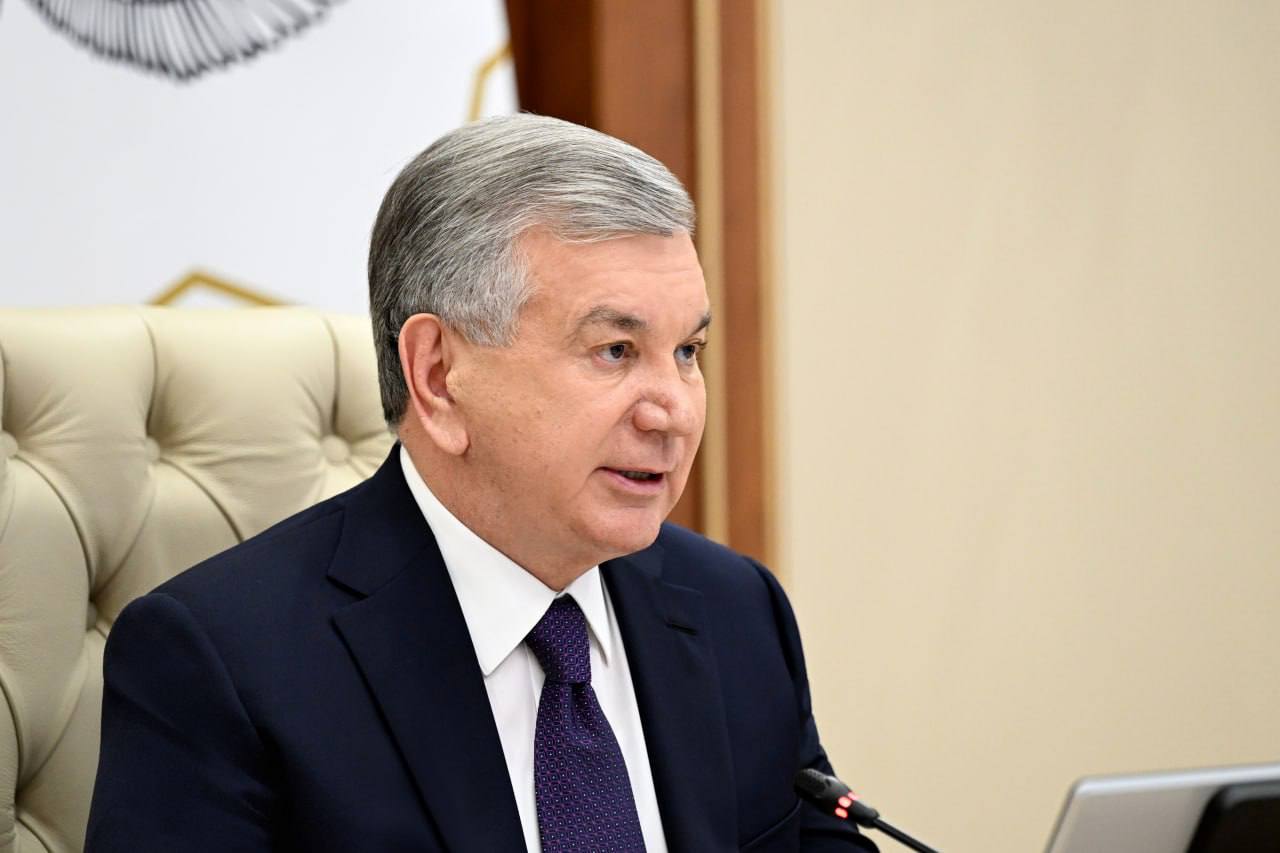
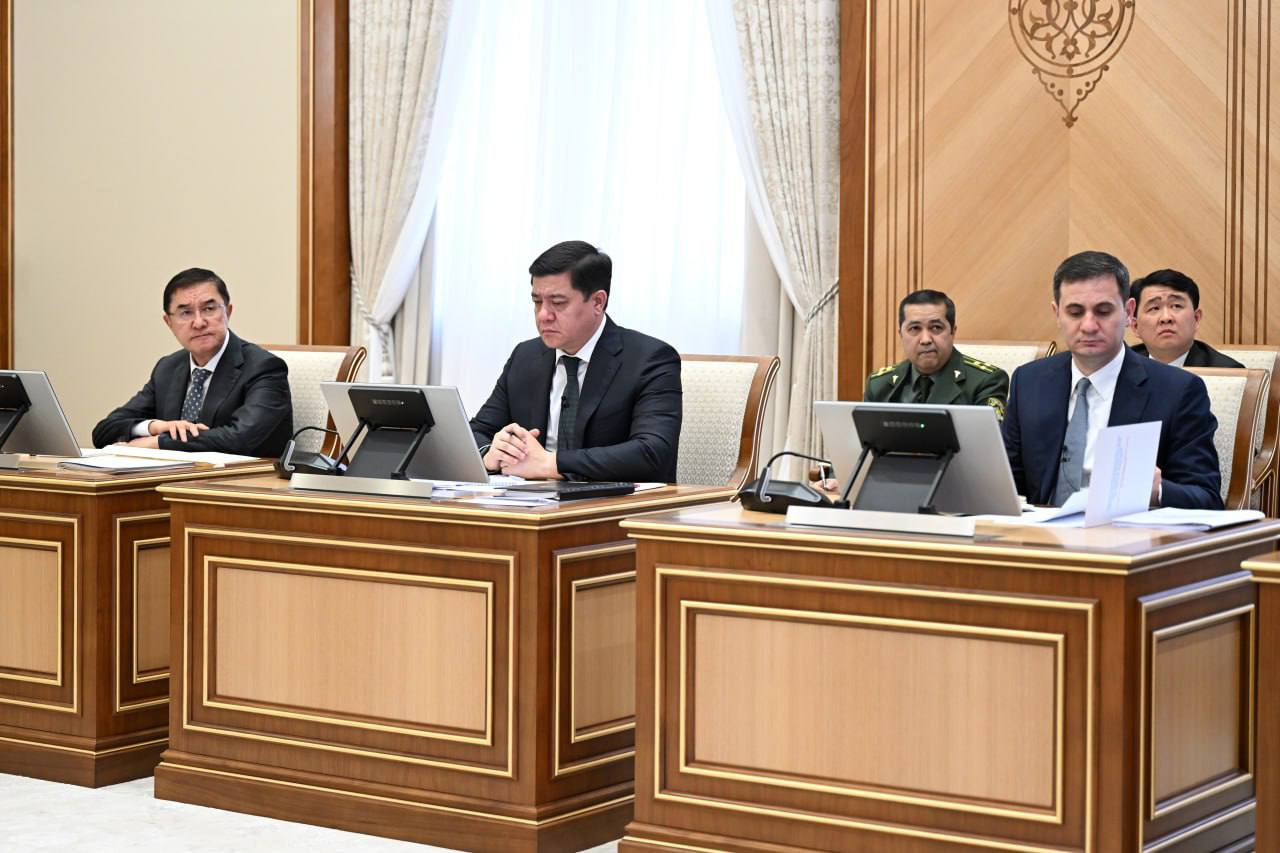
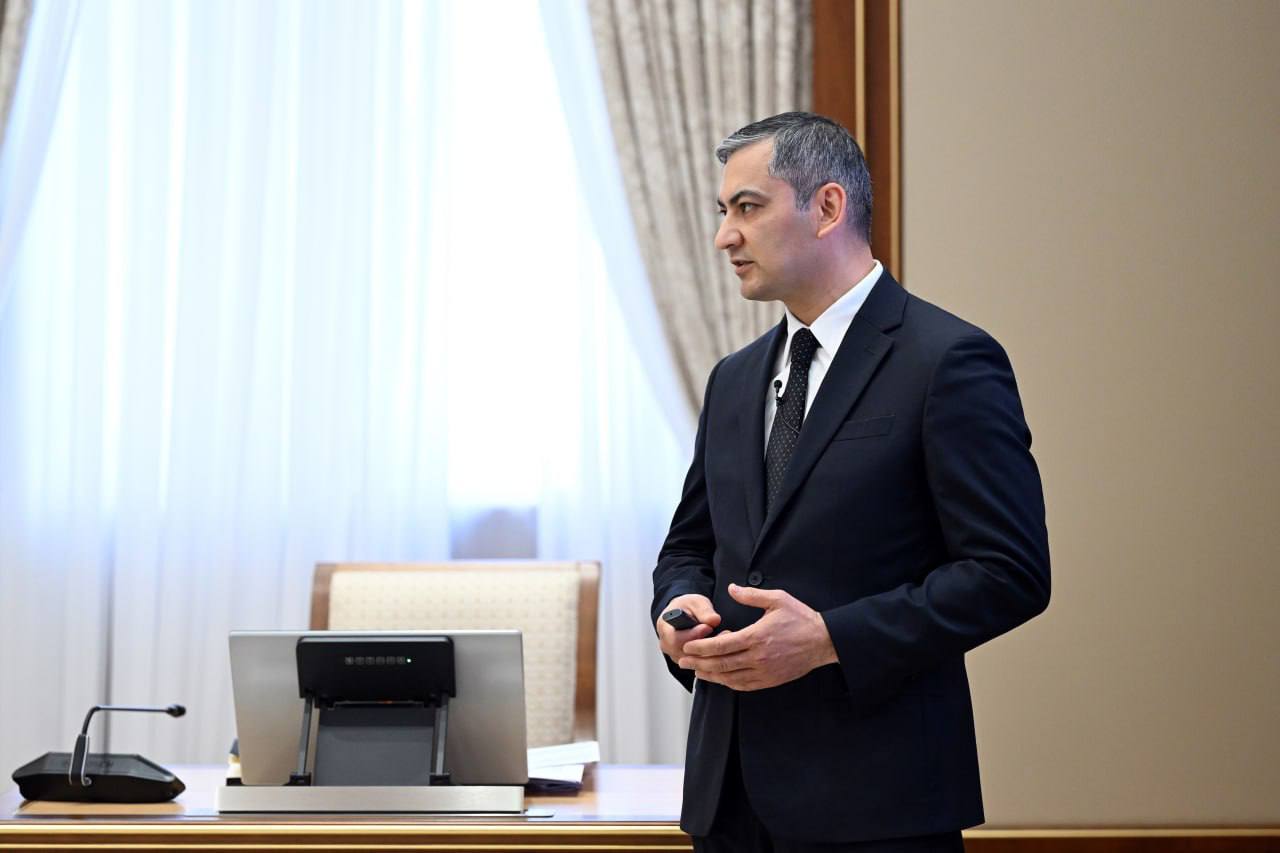
President Shavkat Mirziyoyev reviewed proposals aimed at developing e-commerce and establishing bonded warehouse operations.
Over the past eight years, the volume of e-commerce in the country has grown twentyfold, reaching $1.3 billion. The number of digital platforms exceeds 120. As a result of expanded self-employment opportunities and simplified licensing and taxation procedures, 750,000 high-income jobs have been created in this sector, and the state budget receives an additional 200 billion soums in tax revenues annually.
At the same time, significant untapped opportunities remain in this area. In particular, the share of e-commerce in retail trade in Uzbekistan stands at 4–4.6 percent, which is five times lower than the global average of 22 percent. The country has the potential to increase this share to 9–11 percent.
In the context of developing e-commerce infrastructure, particular attention was paid to the creation of special warehouses — bonded warehouses intended for storing imported goods under customs control with deferred payment of duties and taxes.
As noted, the introduction of a system for paying customs duties at the point of sale makes it possible to create conditions for attracting at least $500 million in investment. It was emphasized that this practice is widely used in countries such as Russia, China, Kazakhstan, the United Arab Emirates, the United Kingdom, Germany, and Singapore.
Today, the total warehouse space in Uzbekistan amounts to 634,000 square meters, 72 percent of which is located in the capital and the Tashkent region. Only 34 percent of existing warehouses meet the modern Class A standard. According to expert estimates, to ensure sustainable economic growth, 2.5 million square meters of modern warehouse space will be required over the next five years.
In this regard, it was proposed to expand the network of modern warehouses for major international marketplaces in the country.
The need for deeper integration of digital platforms and bonded warehouses with tax and customs systems was emphasized. It was proposed to introduce a new mechanism on a pilot basis in 2026–2028, based on the “import – bonded warehouse – special e-commerce platform – consumer” cycle.
Under this procedure, goods are placed in a bonded warehouse, sold through a dedicated e-commerce platform, and customs declaration and payment of duties are carried out directly at the point of sale. Such platforms and warehouses will be included in the relevant registries and registered with the Customs Committee.
It was noted that bonded warehouses will facilitate domestic producers’ access to foreign markets, reduce pressure on working capital, lower logistics costs, and enhance export competitiveness.
The Head of State instructed responsible officials to turn e-commerce into one of the drivers of the economy, develop modern infrastructure in this sector, and create a favorable and transparent environment for digital platforms.


When using materials reference to www.president.uz is required
© 2026 Official web-site of the President of Uzbekistan
All rights reserved
Attention! If you find an error in the text, select it and press Ctrl + Enter to notify the administration
