

30.04.2026
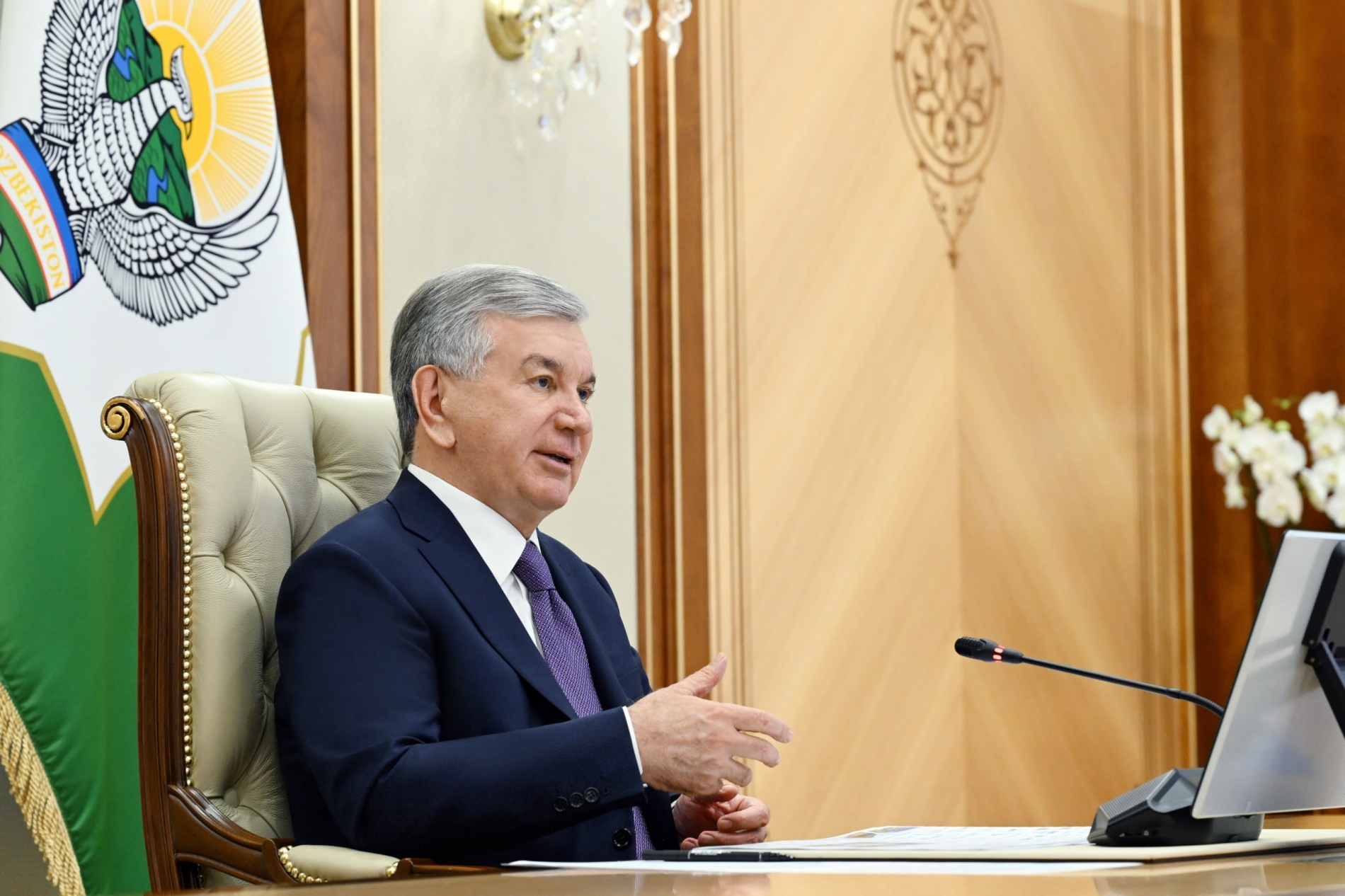
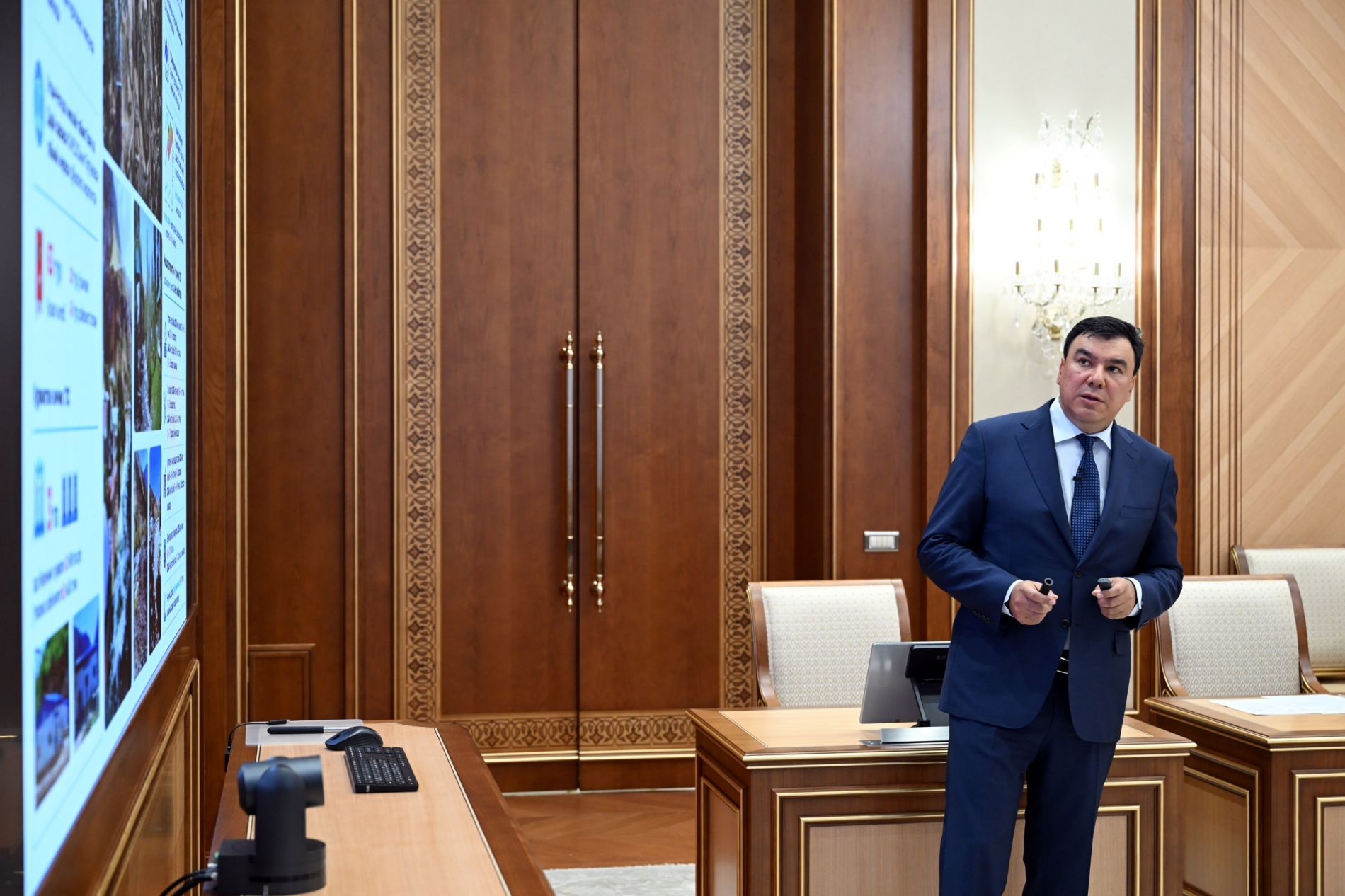
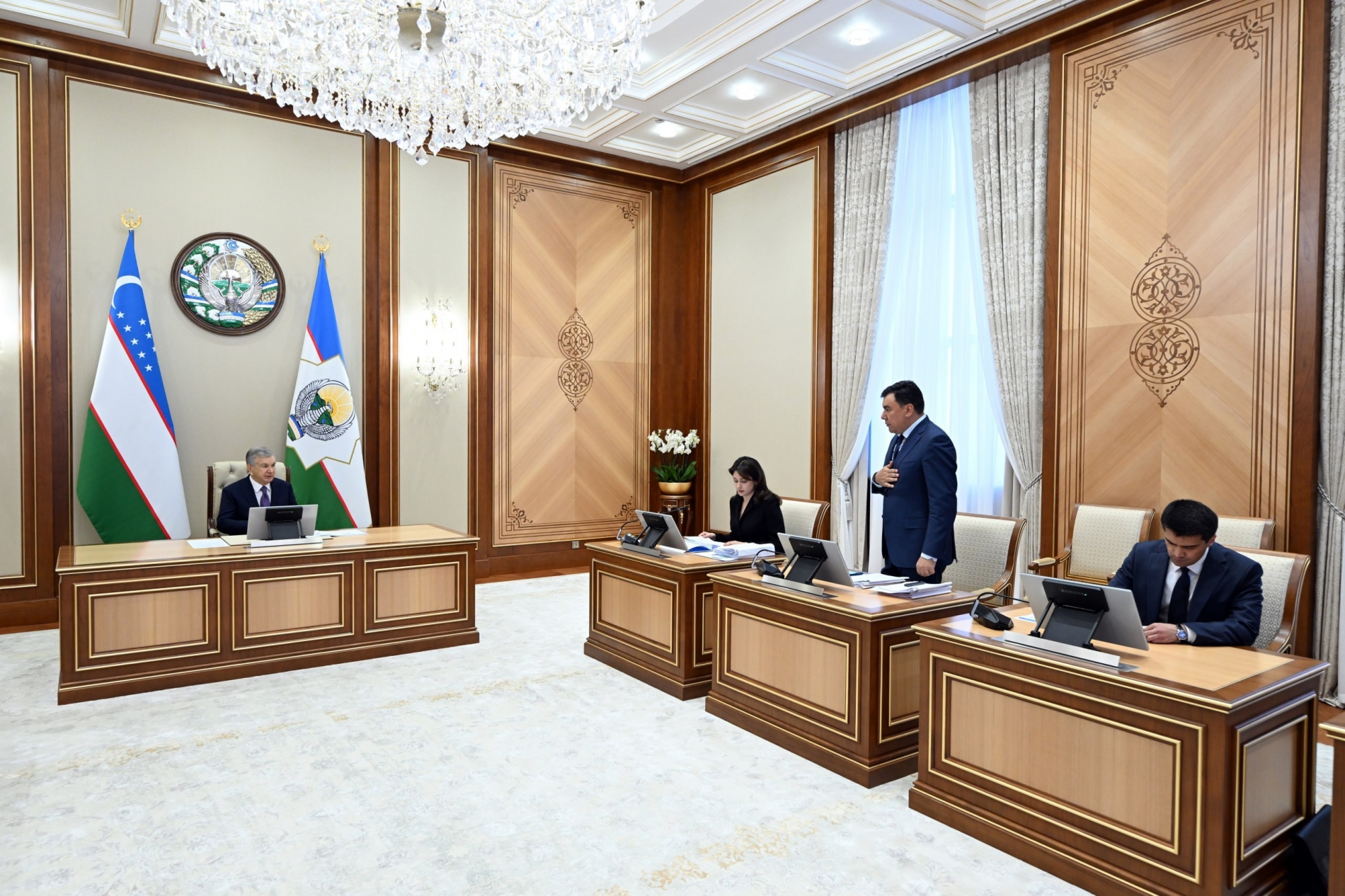
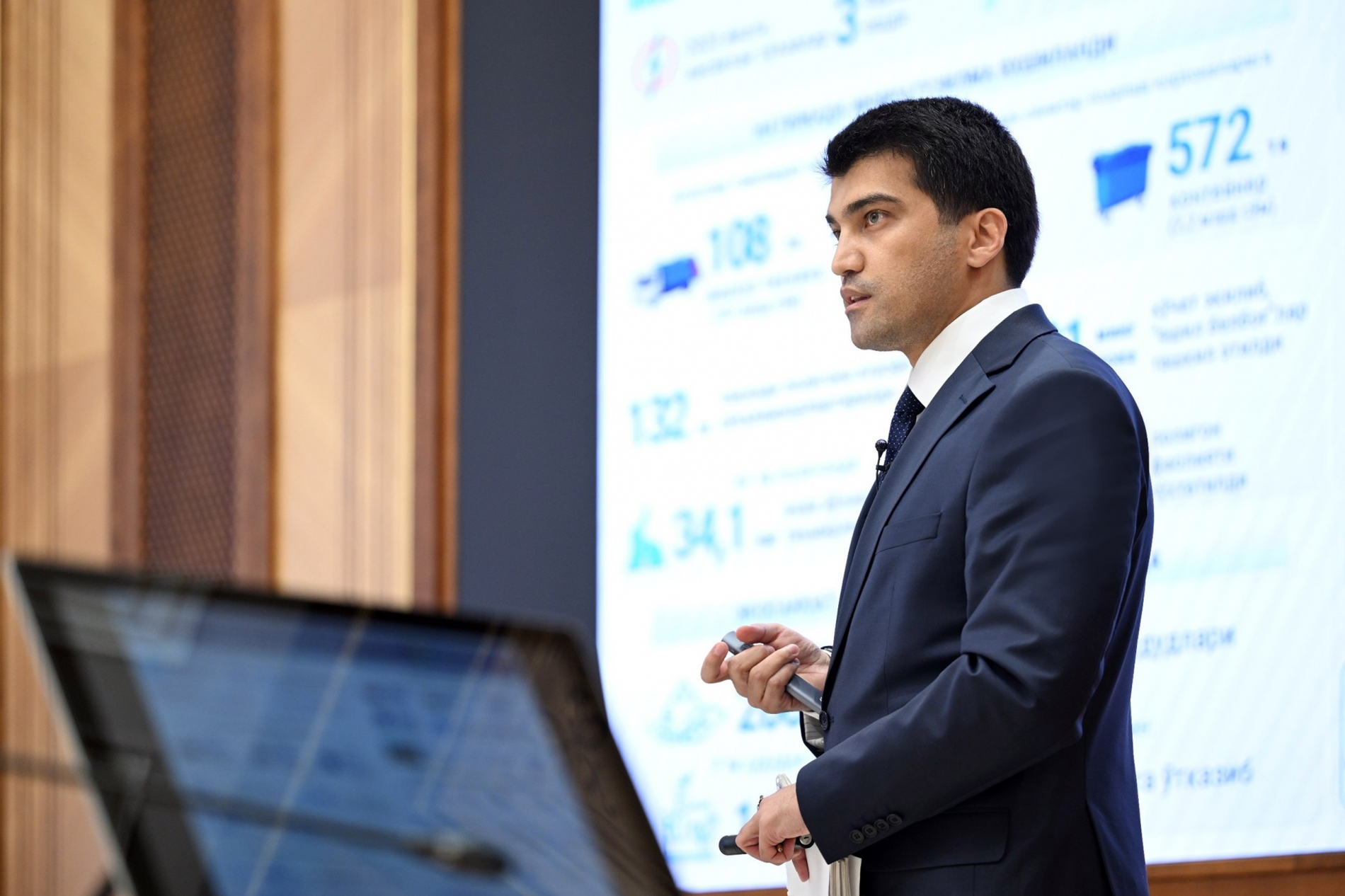
On April 30, President Shavkat Mirziyoyev was briefed on proposals on environmental protection, ensuring ecological sustainability, improving waste management, and developing protected natural areas.
In recent years, the country has undertaken large-scale efforts to protect the environment, promote the rational use of natural resources, introduce the principles of a green economy, and enhance ecological culture. However, the rapid development of industry, construction, transport, and municipal services requires stricter control over factors affecting the environment and stronger enforcement of environmental standards.
During the presentation, environmental offenses were analyzed. It was noted that while more than 47,000 administrative violations were identified in 2024, this figure exceeded 59,000 in 2025. Due to the inadequacy of fines under the current system relative to the environmental damage caused, some enterprises find it more cost-effective to continue operations by paying fines rather than remedying violations.
In this regard, it was proposed to revise financial sanctions against legal entities, ensure they are commensurate with the amount of damage caused to nature, and bring them closer to international standards. Specifically, it is planned to introduce effective financial liability measures for the illegal extraction of non-metallic materials from riverbeds, the pollution of water resources, the illegal logging of trees and shrubs, exceeding permissible atmospheric emission limits, the release of dust and sand particles from construction sites, and the burning of waste in unauthorized places.
Thus, it is proposed to combine administrative fines and compensation payments for environmental damage into a single financial sanction, and to introduce a practice whereby, in cases where a company admits liability, the National Committee on Ecology and Climate Change will have the right to apply the sanction independently, while in the event of disputes, the matter will be considered and resolved in court.
The presentation also reviewed proposals for restoring the natural balance of the Ugam River and preserving its unique natural heritage.
The Ugam River and its basin are among the important ecological areas within the Ugam-Chatkal National Nature Park. Dozens of rare species of flora and fauna live here, including those listed in the Red Book. In addition, the river plays a major role in supplying water to the Chirchik River basin.
According to studies, in recent years the Ugam River has experienced a decrease in water flow, as well as an increase in factors affecting water quality. This situation threatens bank erosion, has a negative impact on aquatic flora and fauna, and increases the risk of biodiversity loss.
In this regard, it was proposed to declare the Ugam River and its adjacent territories a state hydrological natural monument, and to restrict construction and excavation activities in coastal and water protection zones that affect the natural hydrological system. In addition, tasks were set to inventory facilities located in water protection zones and assess their impact on water quality and biofauna. The issue of terminating or relocating activities that do not comply with environmental requirements will be considered.
At the same time, the development of a master plan titled “Improving the Ugam River Ecosystem” is envisaged, aimed at the sustainable development of its hydrological and ecological state. To prevent land degradation in coastal and water protection zones, it is planned to plant trees and shrubs.
The work in the field of waste management was also analyzed in detail. In 2025, the coverage of sanitary cleaning services in mahallas reached 88 percent. The sector was supplied with specialized equipment, motor scooters, and containers; the areas around 132 landfills were improved, and the operation of 47 landfills was terminated.
This year, it is planned to increase service coverage to 90 percent by supplying additional specialized equipment and containers for sanitary cleaning enterprises, as well as to carry out the reclamation of 18 landfills. By 2030, it is planned to reduce the number of landfills by 50 percent.
The importance of reducing logistics costs, increasing the volume of sorting and recycling, and reducing the burden on landfills through the construction of waste transfer stations was emphasized. In 2026, 28 such stations are to be built, and 70 by 2030.
Information was also presented on the progress of major investment projects for generating electricity through the incineration of household waste. In the Andijan, Namangan, Fergana, Samarkand, Kashkadarya, and Tashkent regions, six plants with a total cost of $933 million are under construction. Once commissioned, they are expected to process 3.6 million tons of solid household waste annually and generate 1.6 billion kilowatt-hours of electricity. Instructions were given to begin preparations for the next stage — the construction of an additional five plants valued at $633 million.
It was proposed to create the first integrated hazardous waste management platform in the CIS. Within this investment project, planned for implementation in the Navoiy region, it is envisaged to introduce a system for the laboratory classification of hazardous waste, physical-chemical and thermal processing, the establishment of a specialized landfill, as well as the production of RDF fuel from waste.
The project cost will be $260 million, and it is planned to create a capacity to process 330,000 tons of hazardous waste per year. The project’s implementation will contribute to ensuring ecological sustainability, introducing new standards and advanced technologies, as well as developing the region’s human resources.
It was noted that while the volume of construction waste stood at 1.2 million tons in 2017, it reached 1.9 million tons in 2025.
In this regard, it was proposed to create a digital platform to ensure full control over construction waste, from its generation to its disposal, enabling real-time tracking of waste movement using GPS, and to establish complexes for sorting and processing waste at landfills.
It is also envisaged to introduce a mandatory requirement to comply with the terms of waste disposal contracts when approving construction projects. In addition, measures are planned to identify cases of illegal waste disposal using photo and video recording and to strengthen liability for such violations.
The presentation also reviewed projects for the development of protected natural areas and the preservation of unique flora and fauna. In particular, it is planned to strengthen the protection of the “Yazyavan” natural monument, which is part of the Fergana National Nature Park, establish a dendrological garden, and enhance monitoring through observation towers, special drones, and digital systems.
Within this territory, a visitor reception center, pedestrian tourist routes, bird-watching platforms, as well as photo zones and panoramic viewpoints are to be created. In addition, scientific and educational tours are envisaged.
Proposals for creating facilities aimed at developing ecological tourism in the “Ovjazsay – Sinegorye” national nature park were also considered. Special attention within the initiative will be paid to developing convenient infrastructure for tourists while carefully preserving natural landscapes and mountain ecosystems.
At the presentation, issues of preparing for this year’s ECO EXPO Central Asia 2026 international exhibition and the 8th Assembly of the Global Environment Facility in Samarkand were also discussed.
The Global Environment Facility is a major international financial institution uniting 186 member countries, which Uzbekistan joined in 1995. Holding the Assembly in Samarkand will mark the first major environmental forum of this scale in the region of Europe, the Caucasus, and Central Asia. The participation of 2,500 representatives from 186 countries, 40 donor countries, more than 50 reputable environmental organizations, as well as international experts, is expected.
The ECO EXPO Central Asia 2026 exhibition will promote expanded cooperation among domestic industry, khokimiyats, international financial institutions, suppliers of innovative green technologies, and investors.
The Head of State approved the proposals presented and issued specific instructions to strengthen oversight and accountability in environmental protection, introduce modern waste management systems, preserve water resources and biodiversity, and advance the development of protected natural areas on a scientific basis.


When using materials reference to www.president.uz is required
© 2026 Official web-site of the President of Uzbekistan
All rights reserved
Attention! If you find an error in the text, select it and press Ctrl + Enter to notify the administration
