
07.05.2026
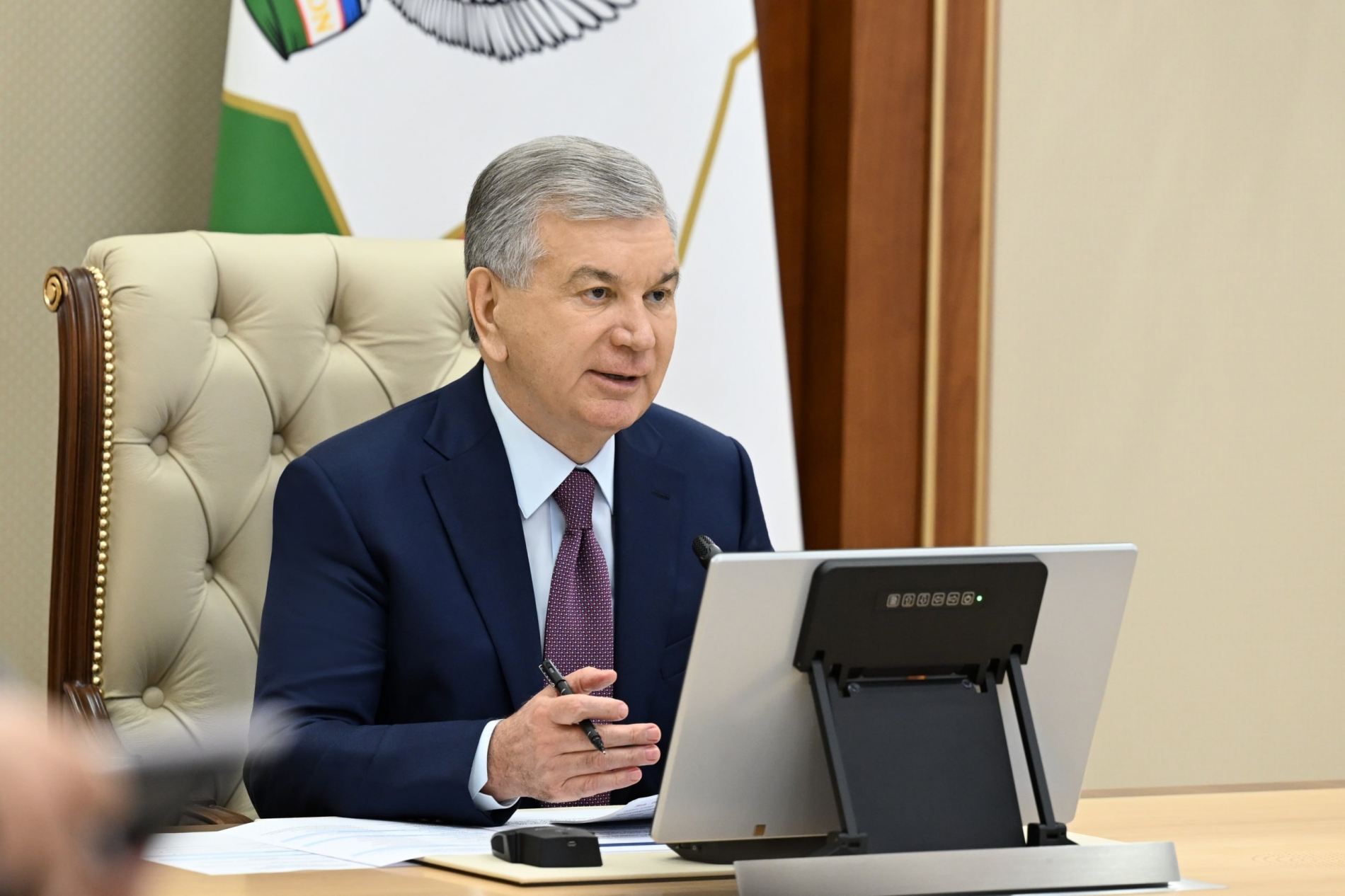
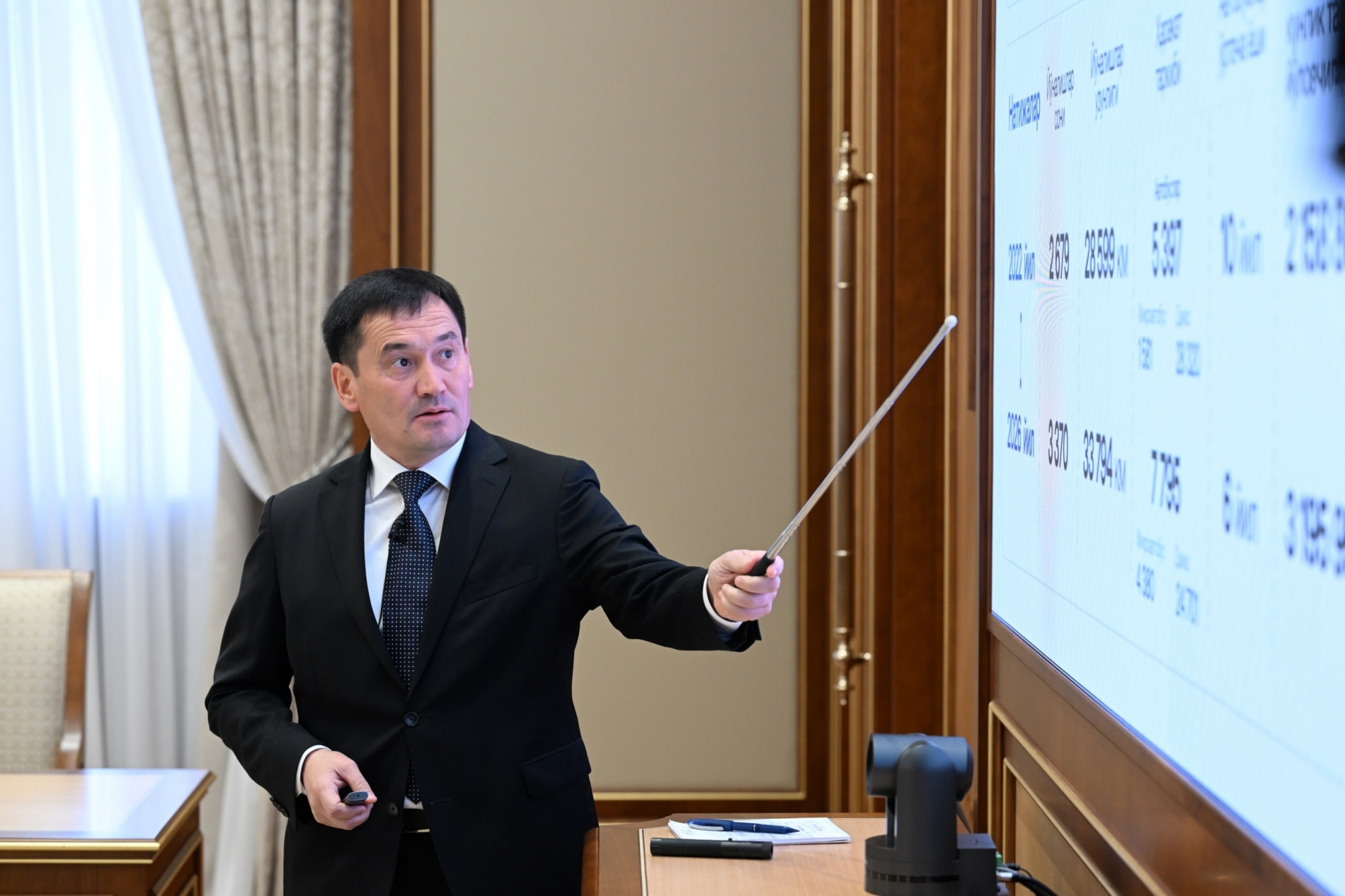
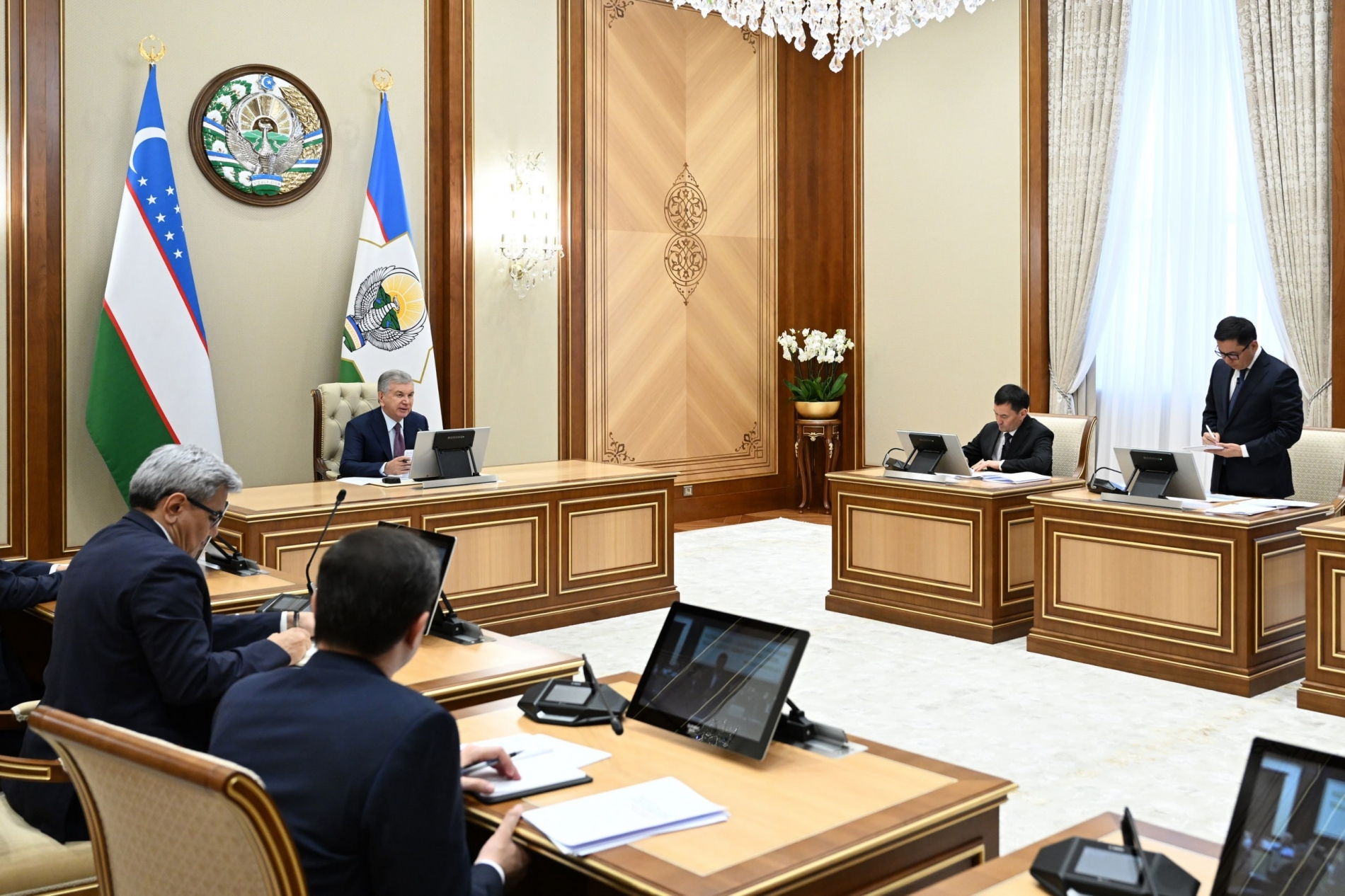
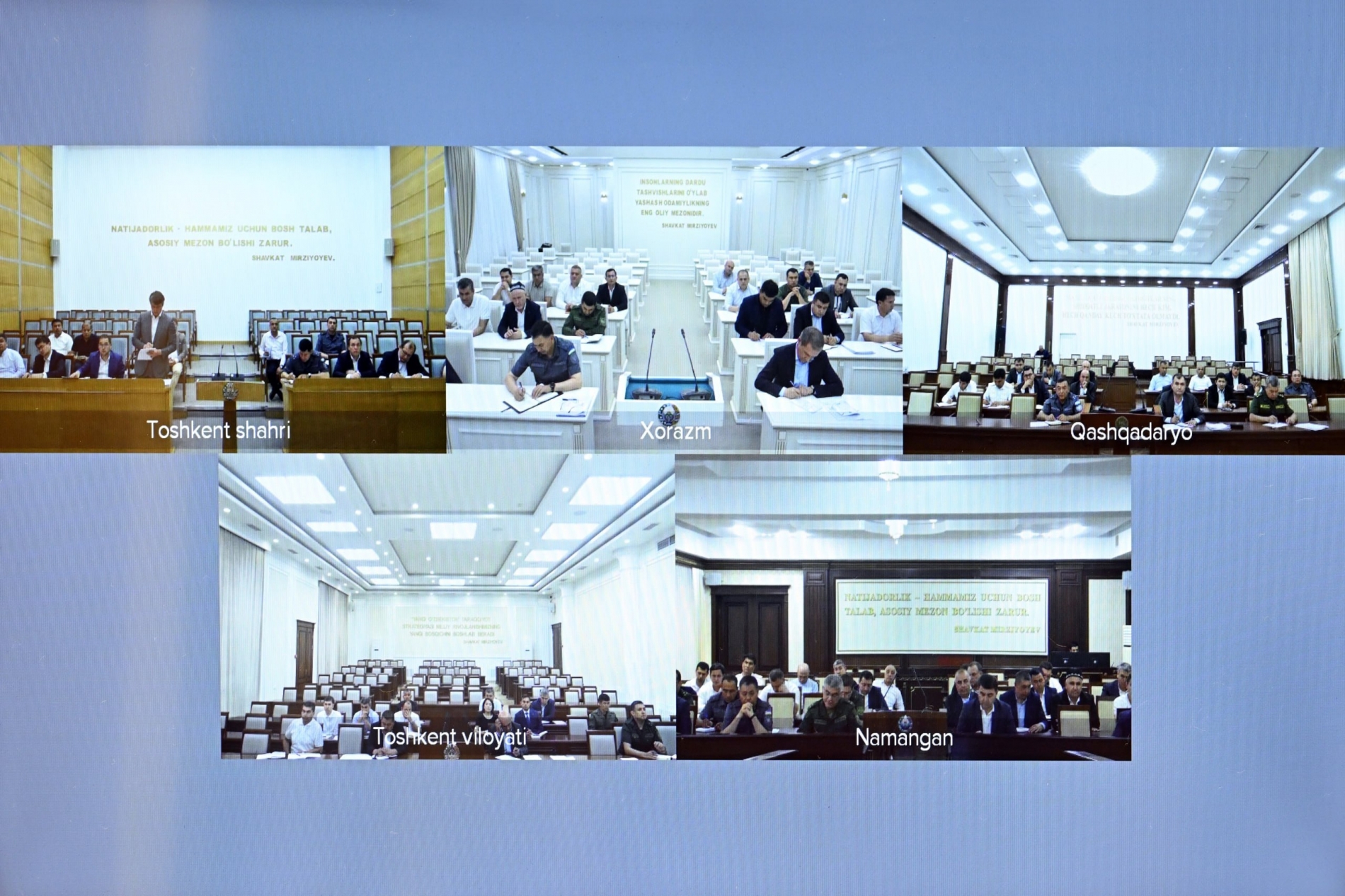
President Shavkat Mirziyoyev reviewed measures for the further improvement of the public transport system in the regions and the acceleration of work in this area.
In recent years, extensive efforts have been undertaken to provide the population with convenient, safe, and environmentally friendly public transport. In particular, over the past three years, 2,650 modern electric buses and buses have been delivered to the capital and regional centers. A total of 279 regular routes have been launched under gross-cost contracts. For the first time, annual budget allocations of around 2 trillion soums have been introduced for these purposes.
As a result, the number of buses operating on routes has reached 3,150. The number of trips increased from 18,000 in 2022 to 45,200, while passenger traffic grew from 900,000 to 2.3 million people. As a result, 4,800 new jobs have been created.
The presentation reviewed tasks related to the further development of public transport. It was noted that accelerating urbanization and the sharp rise in transport activity among the population on the outskirts of the capital and regional centers have led to a 30 percent increase in traffic intensity at city entrances.
In this regard, proposals were presented to transition urban public transport to a unified agglomeration-based system. In addition, the gross-cost contract mechanism will be extended to bus routes operating within a 12-kilometre radius of cities.
It was noted that establishing transport links between the capital and the settlements of Nazarbek, Mineral Waters, and Uch Kakhramon in the Tashkent region could reduce traffic flow by at least 20 percent. Overall, plans call for the launch of 19 such routes in the capital and 79 in regional centers.
To integrate the capital’s public transportation and suburban rail services, proposals were presented to introduce convenient fare systems such as “electric train–bus” and “electric train–metro.”
The need to renew public transportation fleets in regional centers was also highlighted. According to estimates, the regions require an additional 1,500 large and medium-capacity buses. In this regard, proposals were developed to encourage the import of modern buses, expand financial opportunities for entrepreneurs, and launch dedicated credit lines. To support entrepreneurs, it was proposed to extend the exemption from recycling fees on imported buses for another two years.
Particular attention was also paid to creating decent and safe working conditions for bus drivers. It was noted that excessive overtime work negatively affects service quality. Last year alone, 1,670 complaints regarding driver conduct and service quality were registered in the capital, while 109 traffic accidents involving buses were recorded.
Tasks were set to improve the gross-cost contract system, increase the number of drivers per bus from two to three, strengthen traffic safety measures, and enhance service culture.
To assess the volume and quality of work carried out in the public transport sector, dispatch centers were established in each region. As a result, 90 percent of trips began operating strictly according to schedule.
By introducing artificial intelligence technologies into these systems, it is now proposed to organize bus operations in line with passenger flow. This is expected to reduce the cost of transporting a single passenger by 10–15 percent.
The Head of State noted that public transport development should cover not only densely populated cities, but also major tourist centers.
Based on the goals set to turn Samarkand and Namangan into million-plus cities, instructions were given to develop specific master plans for expanding modern green transport routes for residents and tourists in these regions.
It was also noted that tourist arrivals in Khiva have tripled in recent years, significantly increasing demand for convenient public transport. The need to launch public transport development programs in major tourist centers such as Khiva, Shakhrisabz, Margilan, and Kokand was therefore highlighted.
President Shavkat Mirziyoyev emphasized that public transport is an important sector directly affecting quality of life, urban mobility culture, the environmental situation, and economic activity. He gave specific instructions to responsible officials to improve the convenience and safety of transport services, expand routes based on an agglomeration approach, and introduce digitalization and artificial intelligence solutions across the sector.


When using materials reference to www.president.uz is required
© 2026 Official web-site of the President of Uzbekistan
All rights reserved
Attention! If you find an error in the text, select it and press Ctrl + Enter to notify the administration
