

10.03.2026
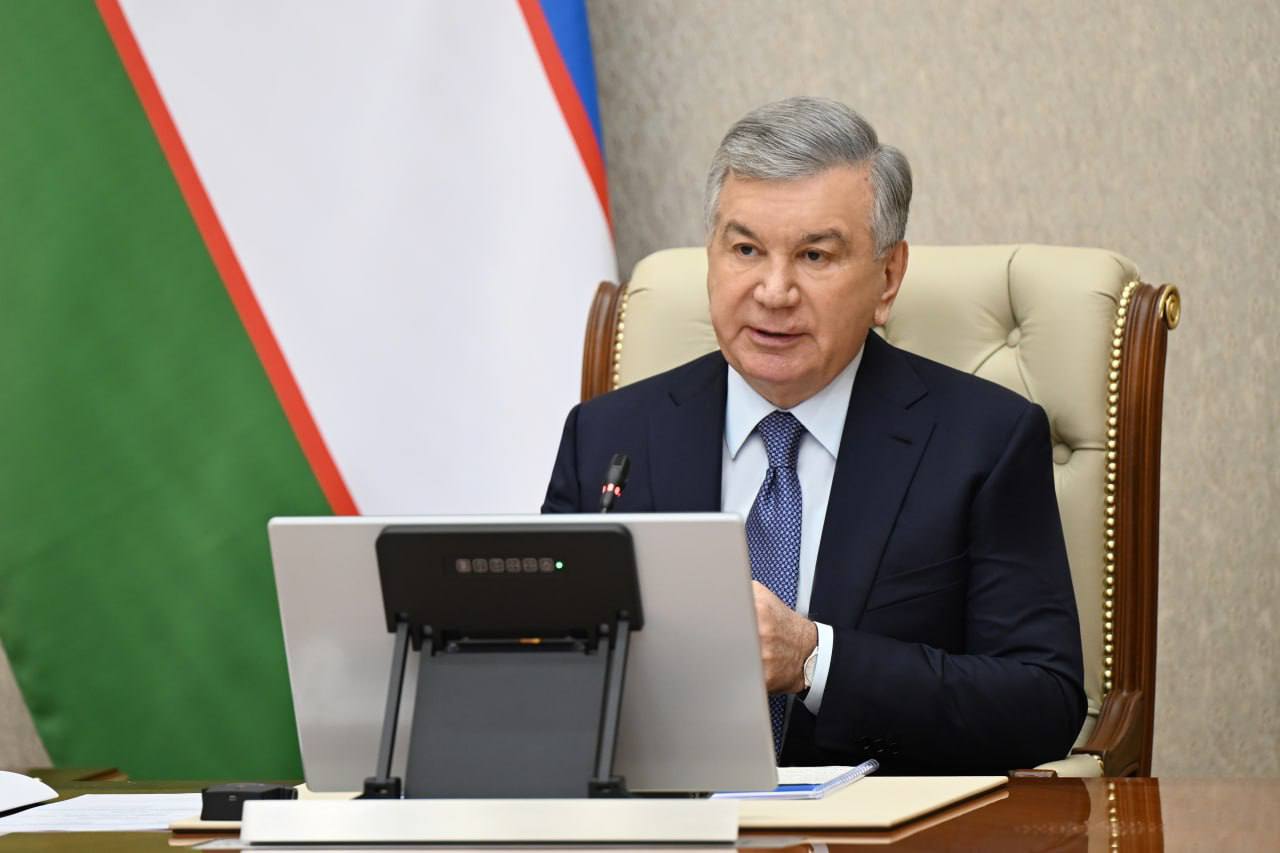
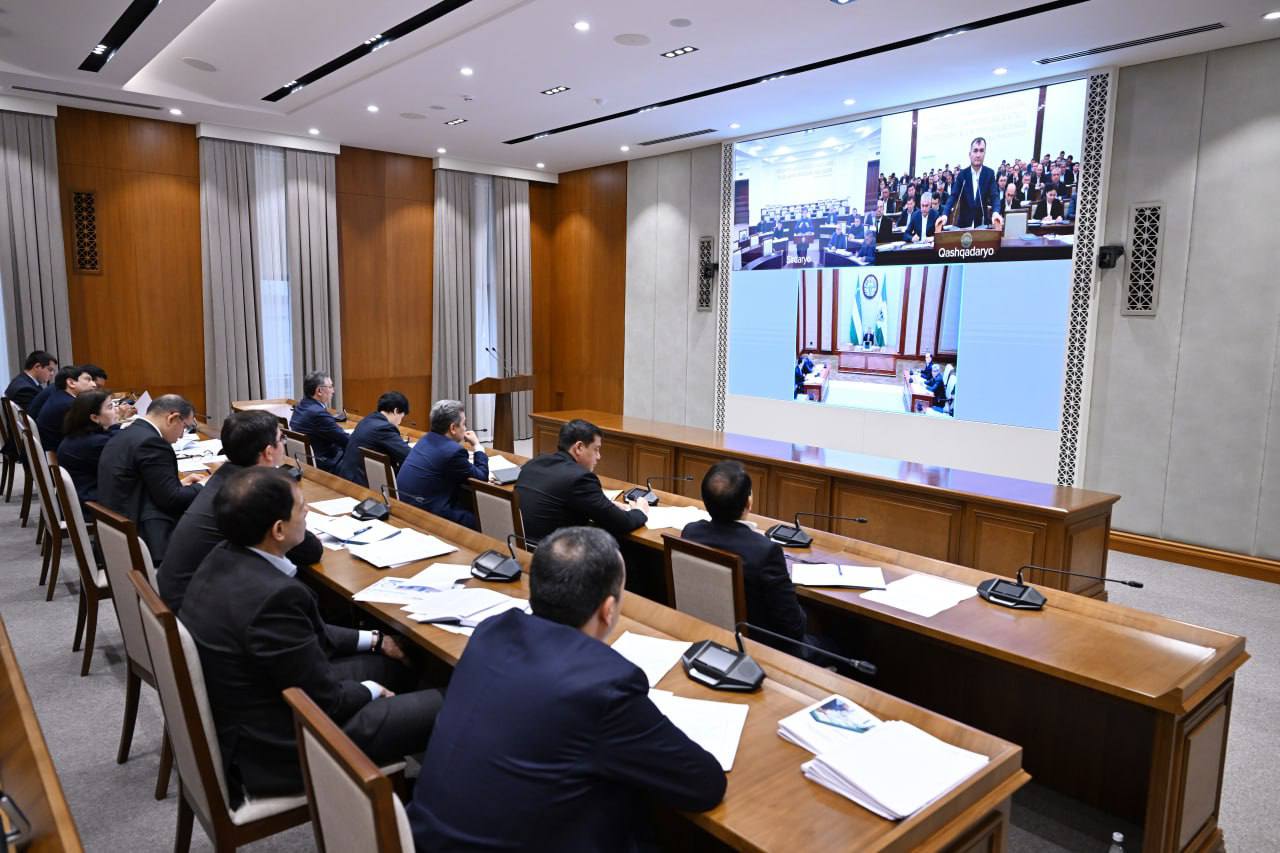
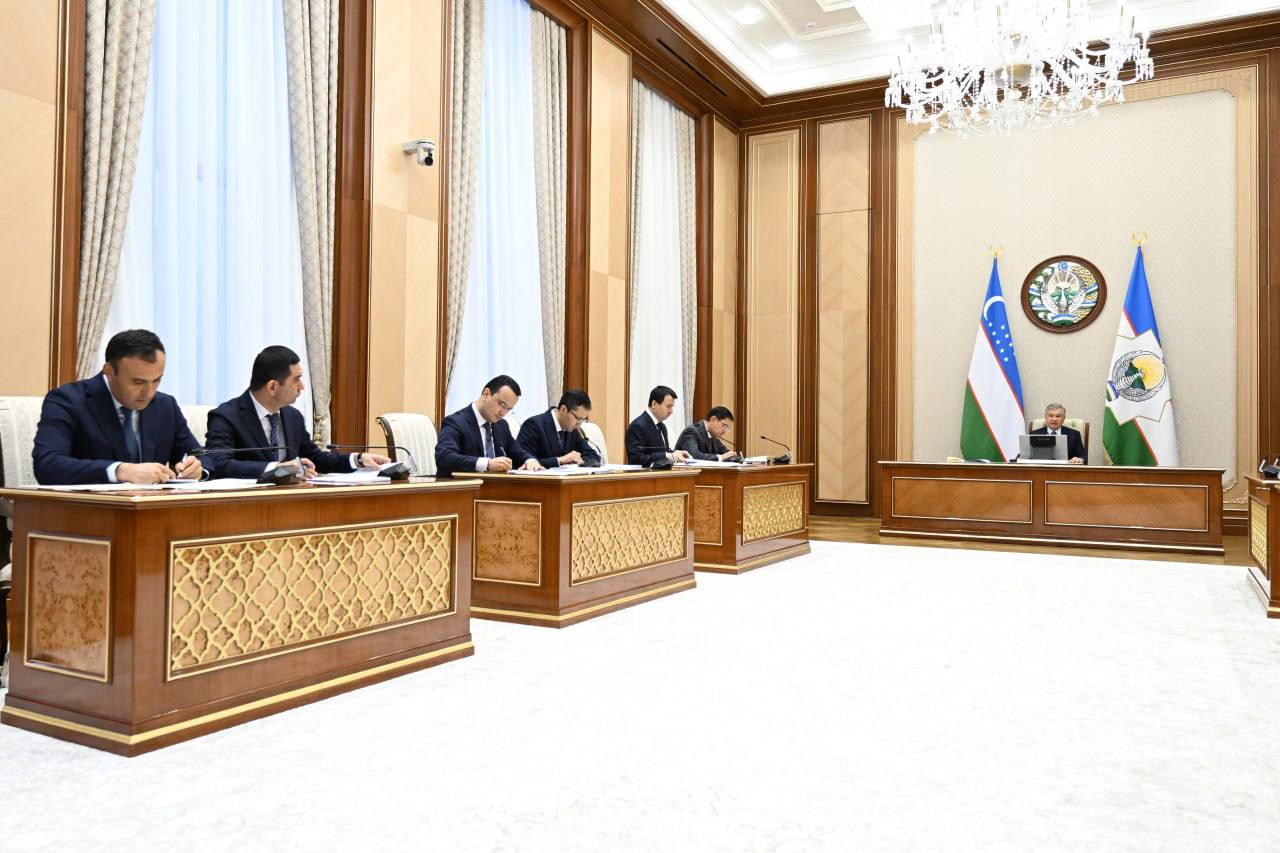
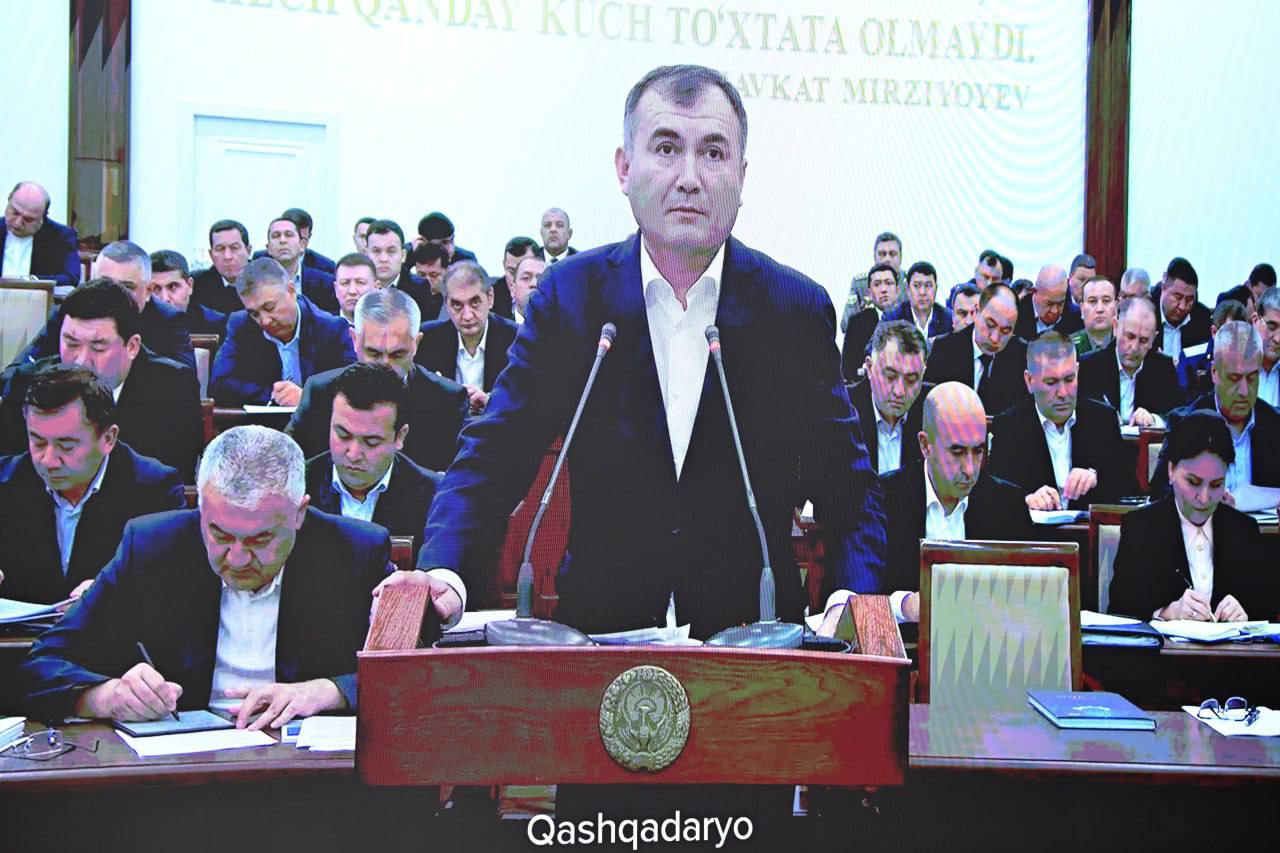
President Shavkat Mirziyoyev chaired a meeting on the effectiveness of ongoing reforms and future priority tasks for the development of the Kashkadarya region.
It was emphasized that, due to its vast territory, rich natural resources, developed industry, and hardworking and enterprising residents, Kashkadarya has enormous potential.
Last year, the gross regional product grew by 6.8 percent, industry by 7.2 percent, the service sector by 13.6 percent, while agriculture by 4.3 percent. From 2017 to 2025, gross regional product per capita increased 3.2 times, reaching 26.9 million soums. The unemployment and poverty rates declined to 4.9 percent and 6.5 percent, respectively.
It was noted that through the implementation of new projects across economic sectors in 2026, it is planned to ensure industrial growth of 8.6 percent, attract investments worth $3.5 billion, and achieve exports of $727 million. As a result, the regional economy is expected to grow by 8.2 percent, the service sector by 15.9 percent, construction by 13.2 percent, and agriculture by 5.8 percent.
The need to ensure high growth rates in industry by launching 195 projects worth $1.7 billion, expanding production capacities, and creating industrial micro-centers was emphasized.
Plans for the implementation of several major industrial projects in the region were presented. In particular, it is planned to establish production facilities for fabrics, clothing and hygiene products, agricultural machinery and equipment, electric vehicle charging stations, fiber cement panels, and wall tiles.
Plans also include the establishment of the Mubarek Special Innovative Industrial Zone and the Karshi Green Technologies Industrial Zone, where 36 projects worth more than $1.1 billion are scheduled for implementation in 2026–2027, creating around 6,000 new jobs.
The need for further poverty reduction through the deep and medium specialization of mahallas based on new approaches, as well as the provision of preferential loans and subsidies, was emphasized. Specifically, by allocating 820 billion soums in loans and 52.3 billion soums in subsidies, and by supporting the self-employed, 48,000 business entities will be created and 31,000 micro-projects implemented in mahallas.
As a result, by the end of 2026 it is planned to reduce the unemployment rate to 3.2 percent and the poverty rate to 3 percent, while turning the districts of Guzar, Kamashi, Kukdala, Mirishkor, Shakhrisabz, and Yakkabag into territories free from poverty and unemployment.
It was noted that, amid rising global meat prices, a new system for developing animal husbandry, strengthening the fodder base, and ensuring the efficient use of pasture lands is being implemented in the region.
To this end, tasks have been set to increase the production of fodder crops, potatoes, vegetables, legumes, and oilseeds by developing 200,000 hectares of land by 2030, including 15,000 hectares in 2026, as well as by creating the necessary infrastructure.
This year, it is planned to increase the yield of grain crops to 84.8 centners, cotton to 47.5 centners, and potatoes to 175 centners. It was noted that by acquiring 48 grain harvesters, 272 seeders, and introducing water-saving and modern agro-technologies, agricultural income can increase by 20–35 percent.
It was noted that water supply is one of the most pressing issues for Kashkadarya.
Given that a significant portion of agricultural crops in the region is irrigated using pumps, tasks for 2026 have been set to concrete 320 kilometers of main canals and 3,300 kilometers of internal canals, introduce water-saving technologies on 70,600 hectares, carry out laser leveling on 27,400 hectares, and modernize 16 pumping stations. It is expected that these measures will save up to 800 million cubic meters of water.
A report was presented on the development of a project to supply water to the city of Karshi from the Gissarak reservoir to improve drinking water supply. The project envisages the construction of 16 drinking-water facilities and 416 kilometers of water supply networks. Sewerage networks in the cities of Karshi and Shakhrisabz, as well as in the Dehkanabad and Kamashi districts, will be reconstructed.
It was emphasized that to fully utilize the tourism potential, drawing on the experience of the city of Miraki, which attracts 1 million tourists annually, new projects must be expanded to other districts.
These include projects to establish the “Maydanak” high-altitude tourist center in the Kamashi district and the “Gelon” international all-season resort, designed to accommodate 13,000 tourists, in the Shakhrisabz district, as well as the development of tourism in the Tatar village of the Yakkabag district and the organization of trekking routes and a tent camp in the area of the Hazrat Sultan peak.
In total, it is planned to open 45 hotels and guest houses this year, creating 1,130 additional accommodation places.
Programs to improve road, housing, and engineering-communication infrastructure in the region were also discussed.
It is planned to allocate 864 billion soums to improve internal roads, water supply, irrigation infrastructure, and electricity networks in two districts and 46 mahallas developed “in the image of New Uzbekistan,” as well as in three districts and 108 mahallas with difficult conditions.
In the social sphere, measures were identified to support families and women and to further develop the healthcare system. In particular, plans include establishing new state and private kindergartens and schools, ensuring employment for 120,000 women, providing professional and entrepreneurial training for 21,000 of them, and offering assistance to 102,000 women under the “Ayollar daftari” (Women’s Notebook) program.
New initiatives were presented to organize orderly labor migration and vocational training jointly with Germany. It is planned to send 3,000 young people to work in Germany in 2026 and 5,000 in 2027, as well as to establish an Education and Technology Center in Karshi for their training.
Following the meeting, the Head of State instructed the responsible officials to ensure strict control over the implementation of the assigned tasks, fulfil investment and export targets, create new jobs, and improve the living standards of the population.


When using materials reference to www.president.uz is required
© 2026 Official web-site of the President of Uzbekistan
All rights reserved
Attention! If you find an error in the text, select it and press Ctrl + Enter to notify the administration
