
09.04.2026
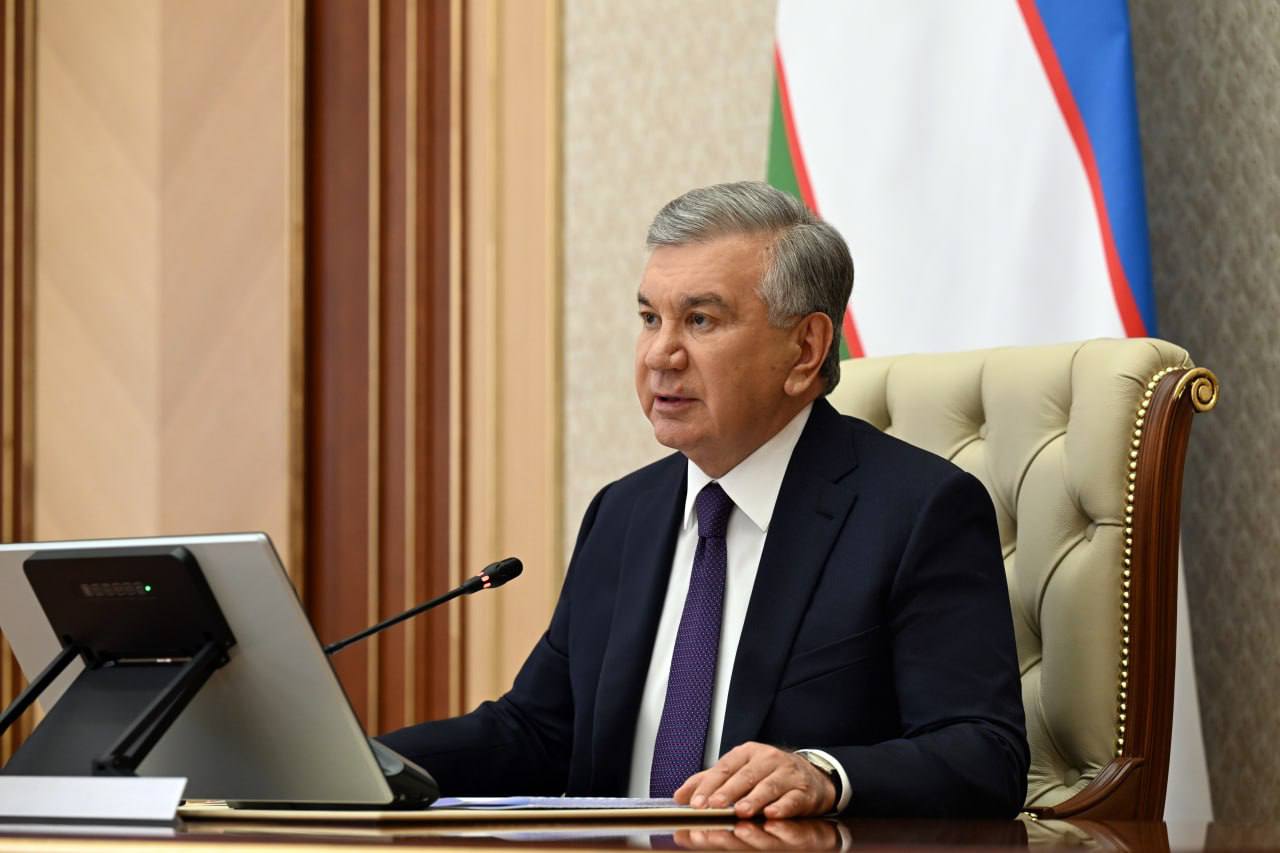
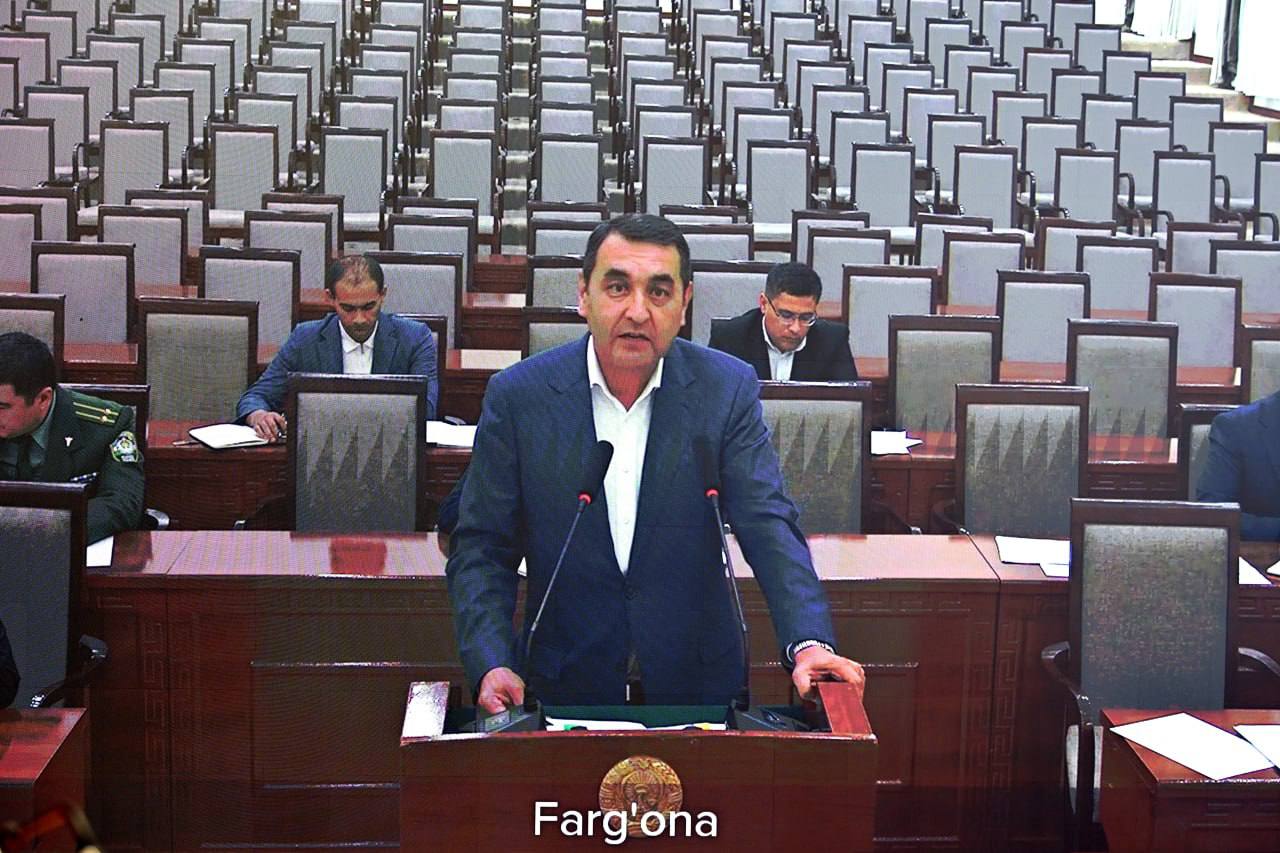
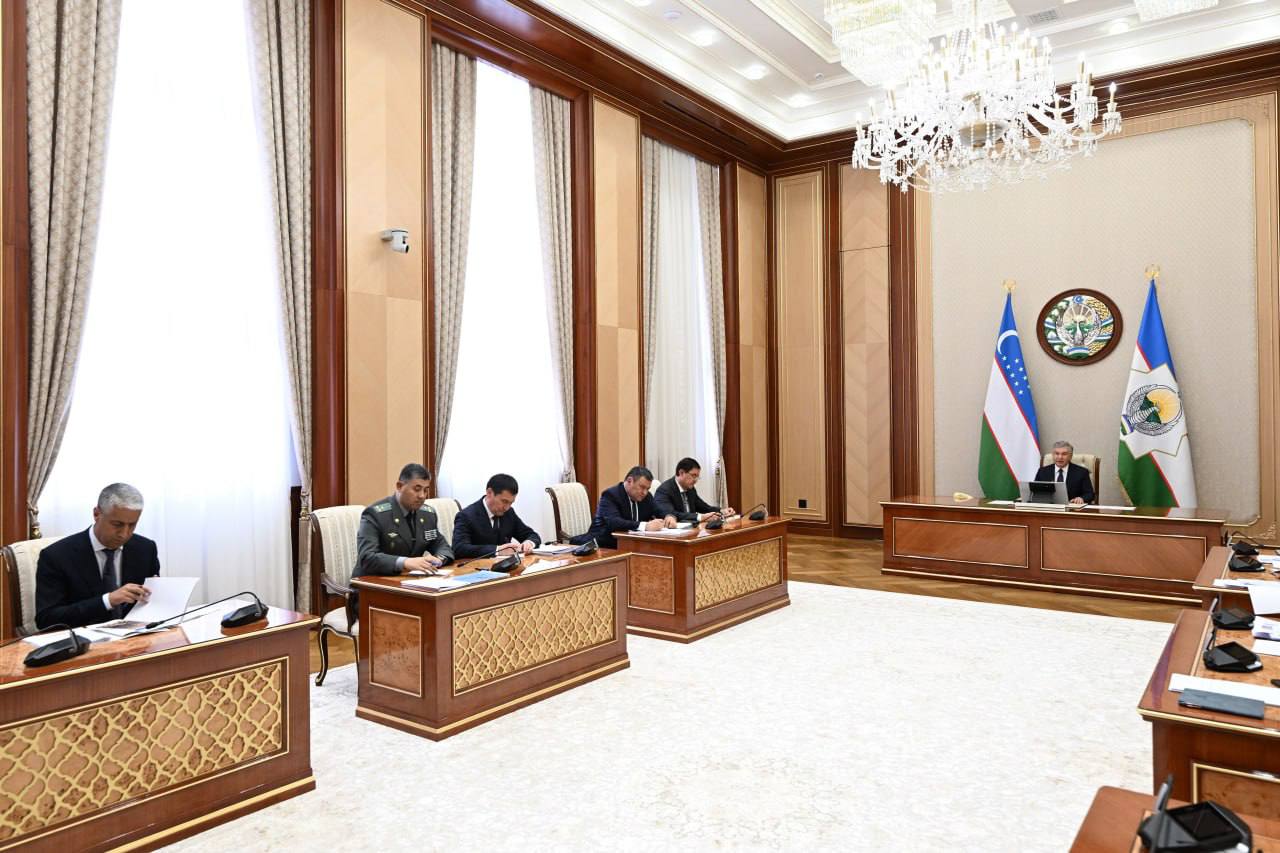
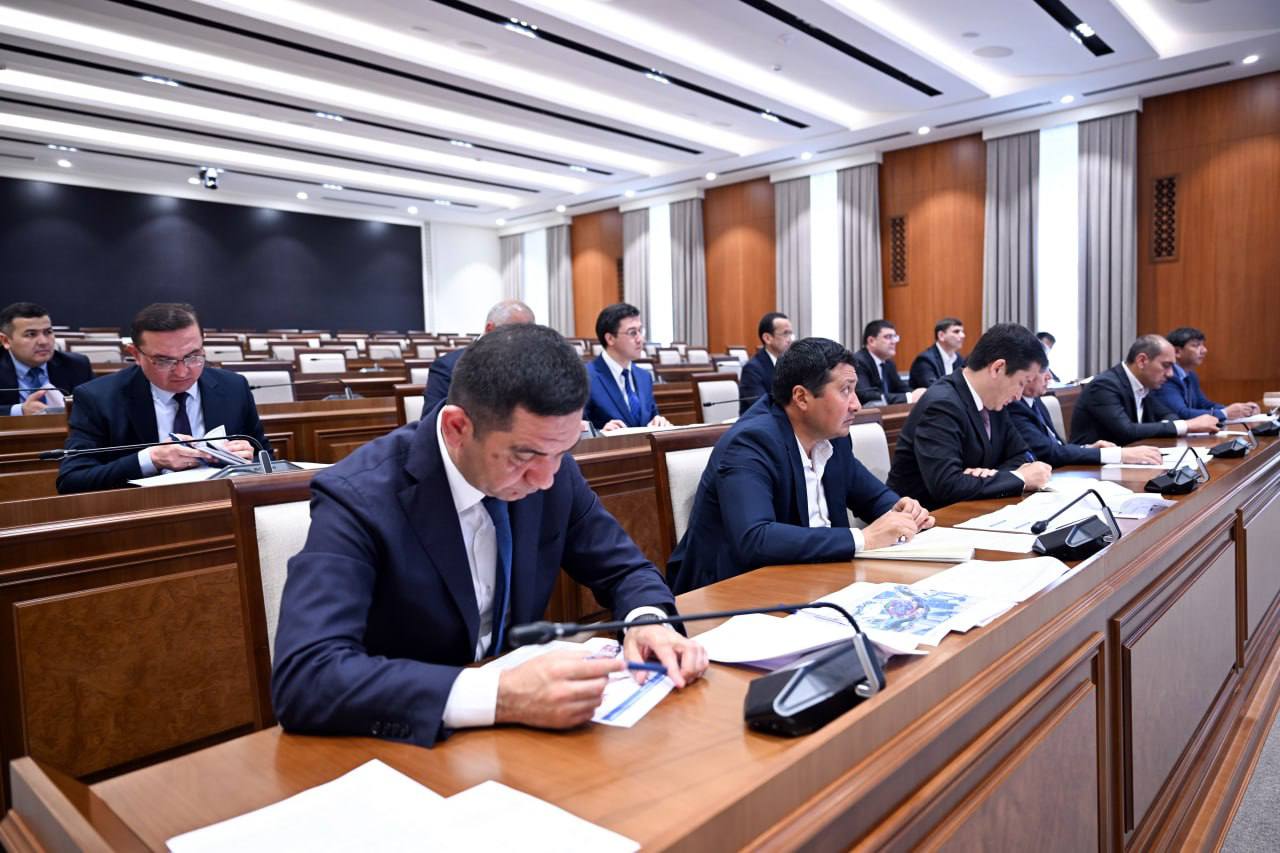
President Shavkat Mirziyoyev chaired a meeting on measures for the socio-economic development of the Sokh district of the Fergana region.
Sokh had previously been one of the country’s hard-to-reach areas, with limited transport and logistics capacity and weak economic links. In recent years, however, regional cooperation and strong political will have opened up new opportunities for its comprehensive development.New roads have been opened, border crossing procedures have been simplified, conditions for entrepreneurship have been improved, and modern kindergartens, schools, clinics, and housing have been built.
Today, 88,600 people live across 25 mahallas of Sokh. The district has 29 preschool institutions, 33 schools, 2 secondary specialized educational institutions, 14 medical institutions, and 2 cultural facilities. Last year alone, 13,921 jobs were created, and 1,667 families were lifted out of poverty.
In general, the changes in Sokh are not limited to infrastructure renewal, but represent a practical manifestation of increased economic activity, strengthened public trust, and expanded opportunities for youth. Modern Sokh is gradually reintegrating into the regional economic system.
At the same time, it was noted that the poverty rate in the district stands at 7.9 percent and the unemployment rate at 5.5 percent, both of which remain above the national average.
During the presentation, responsible officials reported on plans to attract $40 million in investment and secure $15 million in exports this year. This is expected to ensure growth of 9 percent in industry, 17.1 percent in the service sector, and 7.6 percent in agriculture.
The meeting paid special attention to the district's tourism potential.
It was noted that the unique natural environment, clean air, rivers, and cool climate of Sokh make it possible to turn this sector into one of the drivers of the economy. For example, new tourist facilities can be developed along the banks of the Sokh River, which flows through the Sarikand, Ravan, and Istiklol mahallas. On the other hand, all the necessary conditions exist here for establishing a Medical Services Cluster, combining rehabilitation, physiotherapy, pharmaceutical logistics, and medical education in one place.
Plans were announced to attract a total of $60 million in investment in tourism and services, create around 2,000 jobs, increase the volume of tourism services by 15 billion soums, and expand exports by $2 million.
The creation of convenient infrastructure for the population’s life and work, the development of entrepreneurship, and the provision of employment were identified as among the most important tasks.
In addition, 10 micro-projects will be launched in each mahalla, bringing the total to 300, and vocational training will be organized for 8.6 thousand residents. Banks will allocate 64 billion soums in credit resources for these projects, and an additional 74.5 billion soums will be directed to the social sphere and infrastructure.
Issues of transport and logistics were also considered in detail. Practical measures were identified to strengthen the district’s connectivity with other regions, accelerate border crossing procedures, and expand economic ties.
Given that the main part of the district's population's income is related to agriculture, the need for the wide introduction of modern approaches and new technologies in this area was emphasized.
For example, it was proposed to establish fruit orchards on 425 hectares of pastureland in the Kayrak massif, create saffron plantations on 60 hectares in Chashma mahalla, and implement potato-growing projects on 100 hectares in the Ozod and Sokh farms. A project for the development of fish farming in Navabad mahalla was also presented. According to the proposal, it is planned to create 30 reservoirs of 0.5 hectares each, with each capable of producing up to 50 tonnes of trout.
At the same time, it was noted that the construction of an 8-kilometer gravity-flow irrigation network between the settlements of Devayron and Tuldashwould make it possible to bring 500 hectares under orchards and 300 hectares under crops.
The Head of State emphasized that the main goal in the development of Sokh district is to ensure tangible improvements in people’s lives, increase incomes, create jobs, and further strengthen the district’s transport connectivity. Responsible officials were instructed to ensure the implementation of the tasks set for the district.


When using materials reference to www.president.uz is required
© 2026 Official web-site of the President of Uzbekistan
All rights reserved
Attention! If you find an error in the text, select it and press Ctrl + Enter to notify the administration
