

12.05.2026
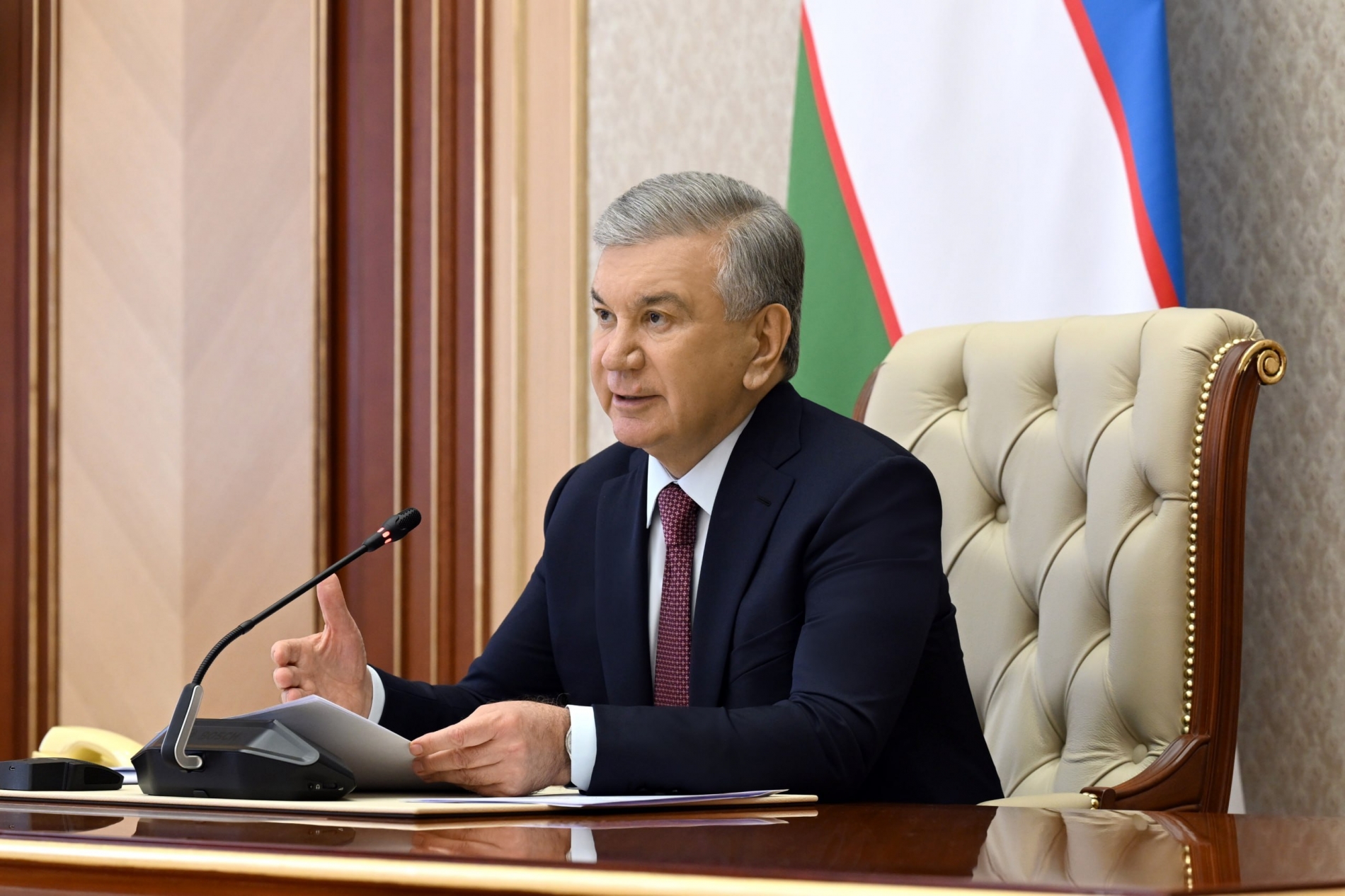
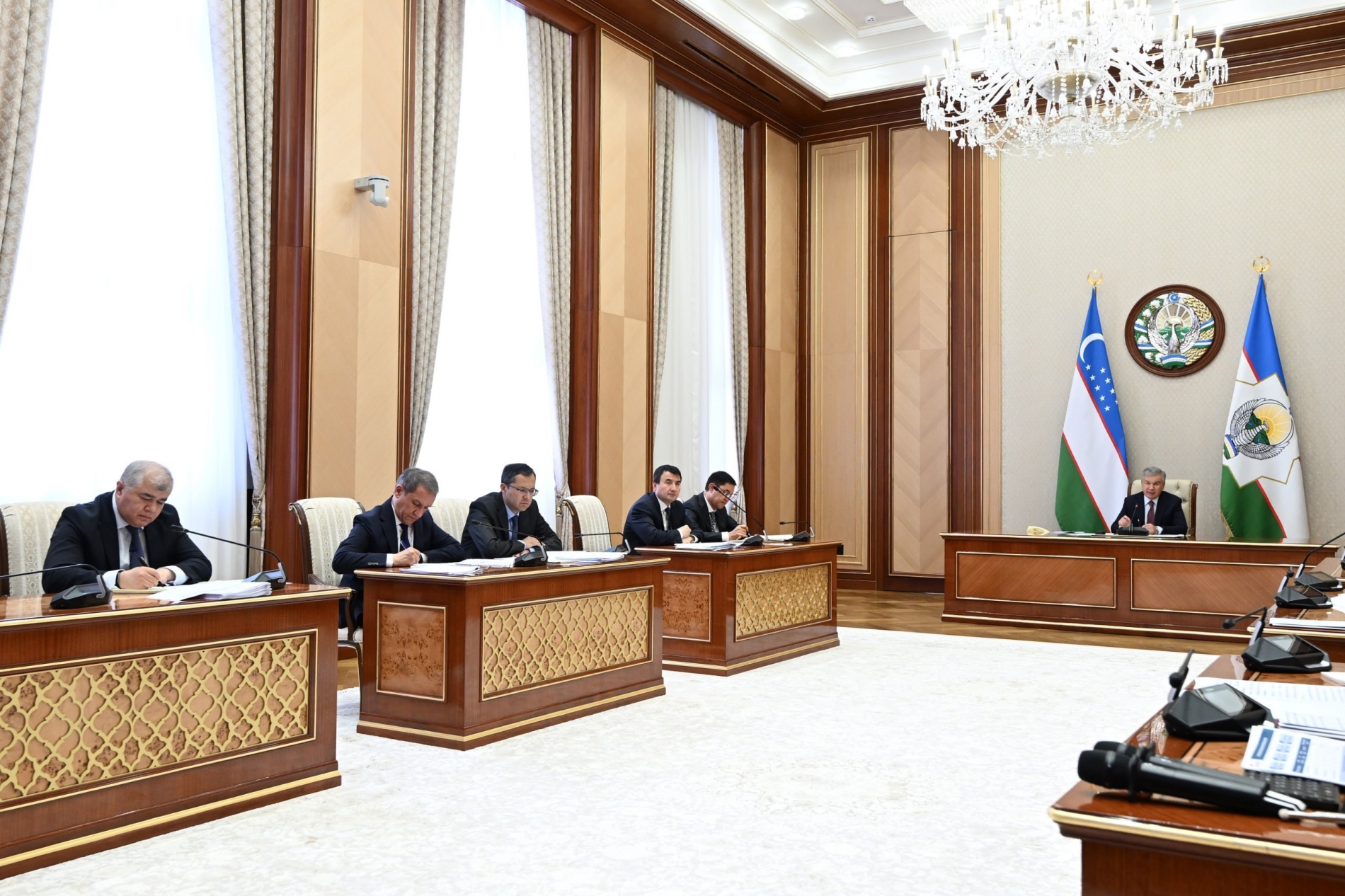
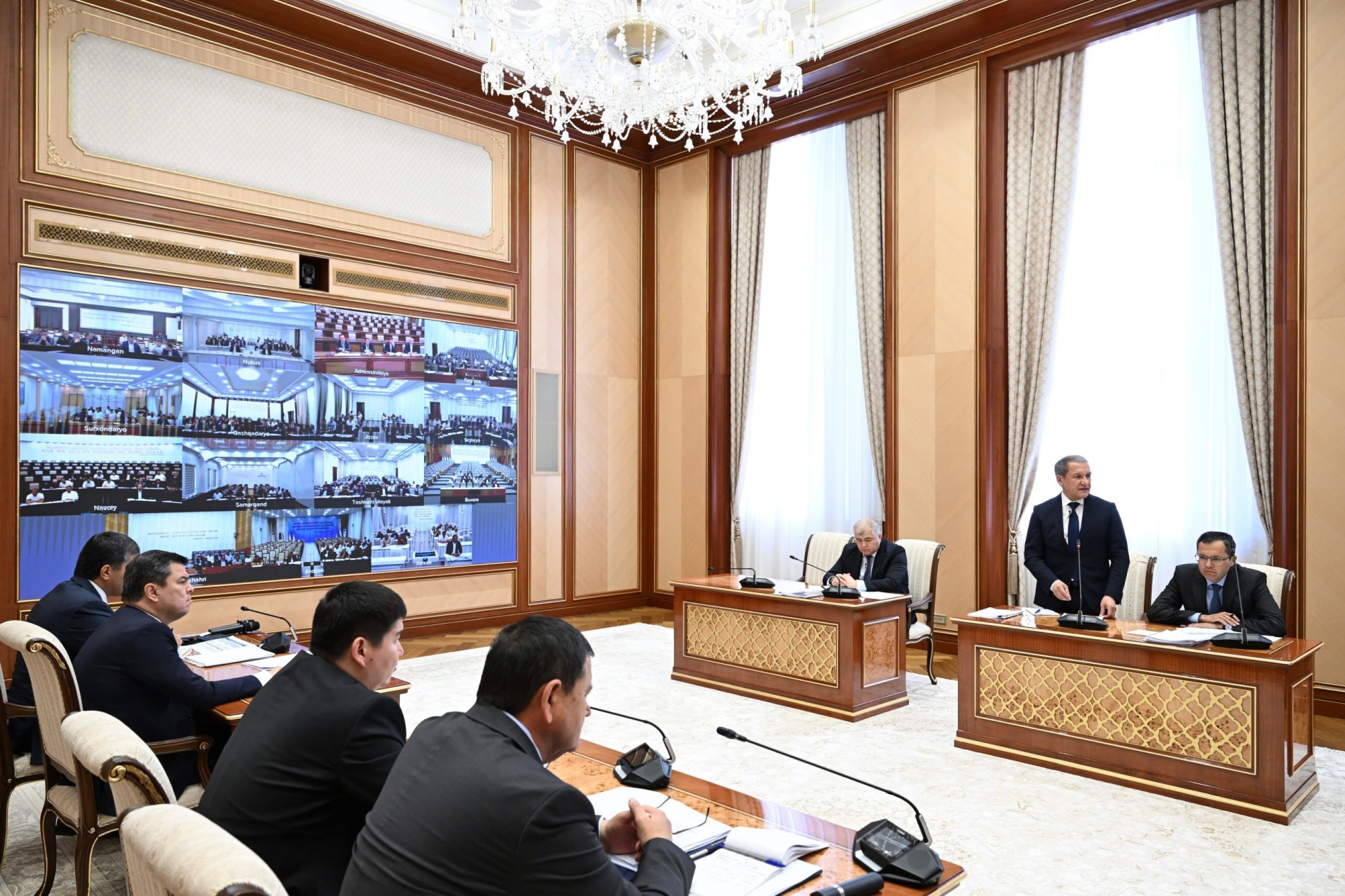
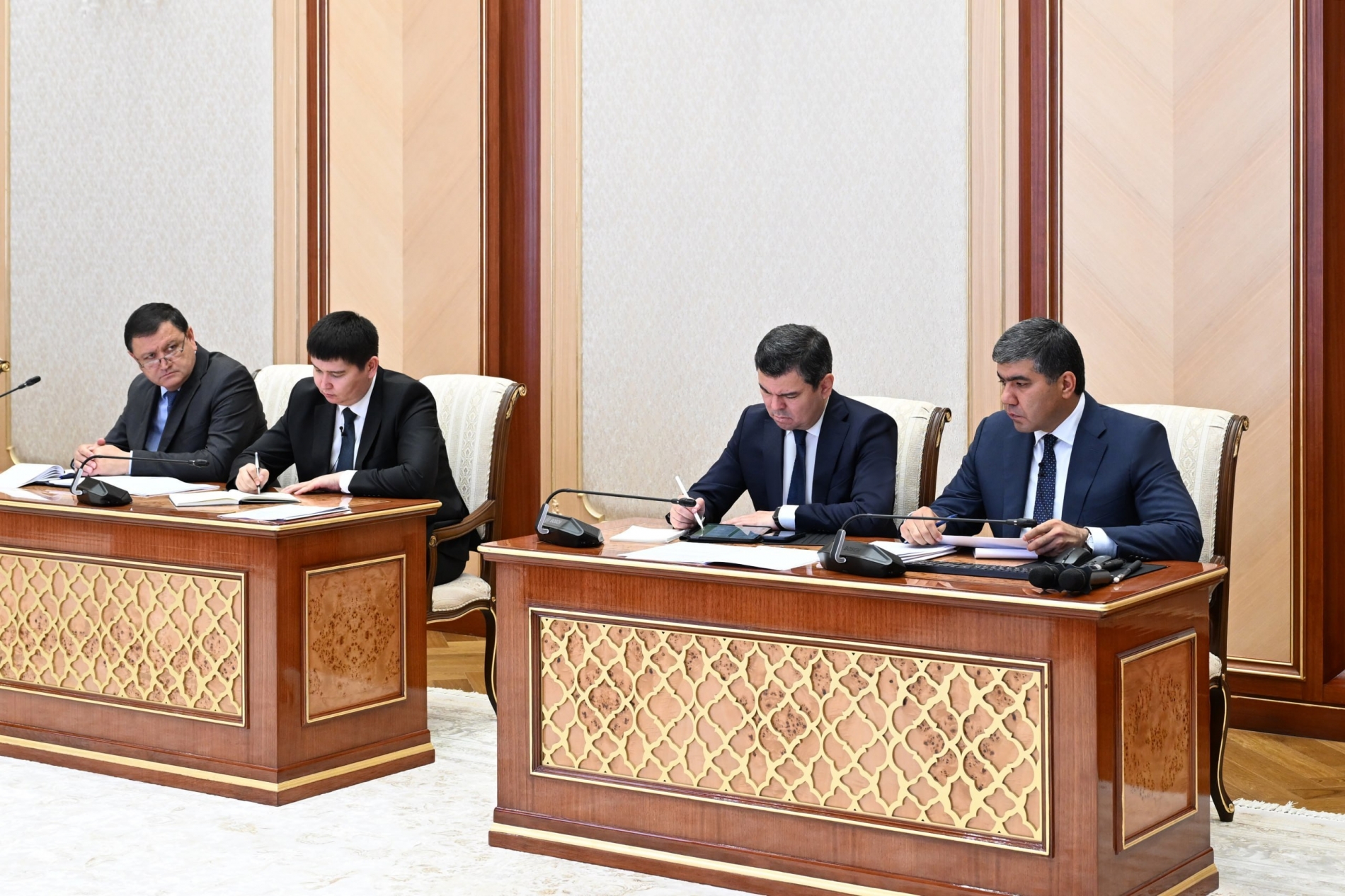
President Shavkat Mirziyoyev chaired a meeting on measures to improve state administration in the areas of food safety and support for livestock farming.
Uzbekistan has created broad opportunities for maintaining a stable food supply, as well as for cultivating, storing, processing, and exporting agricultural products. The country’s 4 million hectares of cultivated land, storage facilities with a capacity of 1.5 million tons, and processing capacities of 3.5 million tons enable the supply of affordable, high-quality food products to the population while supporting exports worth $4 billion.
Uzbekistan aims to increase food exports to $10 billion and expand its export geography by an additional 100 countries by 2030.
The meeting emphasized that achieving these goals requires the food safety system to fully comply with international standards.
Until now, three agencies have been dealing with food safety and control issues. As a result, a unified database has not been established among the sanitary, veterinary, and quarantine authorities, while certain tasks and functions overlap. Because of this, entrepreneurs face unnecessary difficulties in export and import procedures.
It was noted that the Plant Quarantine and Protection Agency has 100 tasks and functions, the Veterinary Agency 115, and the sanitary-epidemiological surveillance system 44, yet a complete system for tracking products “from cultivation to the consumer” has still not been fully established.
Issues requiring solutions also persist in the export sector. In particular, the European Union has issued 25 warnings due to pesticide residues detected in domestic products. This requires a fundamental review of the product safety control system to enhance competitiveness in international markets.
It was noted that regulatory authorities had, in practice, been limited to inspecting only finished products, while insufficient attention had been given to the introduction of international standards ensuring food safety at all stages of the production chain.
In this regard, comprehensive reform of the food safety system is planned through the creation of a unified centralized mechanism that meets international requirements.
A Food Safety Committee will be established to oversee all regulatory processes based on the “from field to table” principle. The new body will be formed on the basis of the Agency for Quarantine and Plant Protection, the Veterinary Development Committee, and the food safety division of the Committee for Sanitary and Epidemiological Welfare.
The new system will eliminate outdated inspection practices that create obstacles for entrepreneurial activity. Mandatory certification of food products will be abolished and replaced with a risk-based control and inspection system.
Currently, this approach is applied to only 1,600 of the country’s 80,000 facilities, representing just 2 percent. Going forward, an electronic system for the rapid notification and withdrawal of hazardous products from circulation will also be introduced.
Beginning January 1, 2029, fruit and vegetable exports will be carried out exclusively through agrologists centers. A program will be developed to transition large food industry enterprises with high export potential to international risk analysis standards and Codex Alimentarius norms. The share of enterprises operating under these standards is expected to reach 20 percent by 2028, 60 percent by 2030, and 100 percent by 2032.
In 20 districts specializing in fruit and vegetable production, public inspectors assisting in the issuance of internal phytosanitary certificates will begin operating. From now on, fruit and vegetable export statistics will be attributed to the regions where the products are grown.
Starting in 2027, six state functions, including laboratory testing, animal vaccination, disinfection, and identification, will gradually be transferred to the private sector. Regional khokimshave been instructed to establish at least two private laboratories and veterinary clinics in these areas by the end of the year.
An online monitoring system will be introduced for each type of product. The “Agro Kumakchi”mobile application will feature an electronic “Field Diary” system for farmers and dehkans. By predicting the spread of pests through this system, artificial intelligence will provide dehkans with the necessary recommendations.
It is also planned to maintain a rating of active and conscientious farmers and provide them with additional benefits. By March 1, 2027, a unified automated information platform for food safety will be launched and integrated with the customs single-window system, freeing exporters from excessive bureaucratic procedures.
Thanks to the new system, import control times will be reduced from 9 to 2 days, while export procedures will be shortened from 3 to 1 day. As a result, entrepreneurs will be able to save 70 billion soums in storage costs.
The meeting also discussed issues related to livestock development and pasture management.
According to analysis, over the past 25 years the number of cattle has declined by 12 percent in 42 percent of the world’s countries. The main reasons include high feed costs, drought, environmental factors, high interest rates, and declining incomes. As a result, average global meat prices have reached record levels.
Uzbekistan has significant potential for livestock development. The country has 16 million hectares of pastureland, but only around 10 percent of this capacity is currently utilized.
In this regard, an Agency for Livestock and Pasture Development will be established under the Ministry of Agriculture. The new body will begin operating on the basis of the Committee of Veterinary and Livestock Development.
The new agency has been tasked with increasing the number of cattle to 16.5 million, sheep and goats to 30 million, and poultry to 141 million. Plans also call for raising meat and dairy processing levels to 50 percent, increasing the share of pedigree livestock to 90 percent, and expanding feed crop areas by 1.5 times.
To expand the feed base and improve pedigree livestock breeding, one district in the Republic of Karakalpakstan and each region will be specialized in livestock farming.
In these districts, up to 50 percent of cotton and grain areas may be used for the cultivation of feed crops, with preferential loans to be provided at an annual rate of 10 percent. All farms will also be allowed to build light-construction facilities, feed storage units, and silage pits on 0.2 hectares of leased land without excessive bureaucratic procedures.
By the end of the year, the task has been set to raise 2 million head of cattle on the lands of 28,746 farms with at least 10 hectares of land.
Financial support measures for livestock farming have also been defined. Beginning June 1, banks will provide loans for up to 10 years at an annual rate of 10 percent, with a four-year grace period. Importers of pedigree livestock will be exempt from value-added tax through 2029.
Resources totaling 1 trillion soums and $50 million will be placed in banks at an annual rate of 6 percent. Thanks to these resources, it is planned to implement 1,500 projects worth 5.5 trillion soumsthis year, create 25,000 jobs, and increase cattle numbers by 400,000 head.
A new program for personnel training and the expansion of pedigree livestock breeding will also be launched. Beginning June 1, 10-day courses on artificial insemination will be organized at leading agricultural universities. It is planned to train at least 1,000 specialists annually and provide them with the necessary equipment free of charge.
A subsidy of 500,000 and 700,000 soums respectively will be provided for each pedigree calf obtained in households through artificial insemination and embryo transfer. An additional 50 billion soums will be allocated for these purposes.
At the meeting, reports from responsible officials and proposals from entrepreneurs and farmers were heard. Specific instructions were given for the effective implementation of the new system, providing practical support to entrepreneurs and farmers, as well as expanding the feed base, breeding activities, processing capacity, and export potential in the livestock sector.


When using materials reference to www.president.uz is required
© 2026 Official web-site of the President of Uzbekistan
All rights reserved
Attention! If you find an error in the text, select it and press Ctrl + Enter to notify the administration
