
05.06.2026
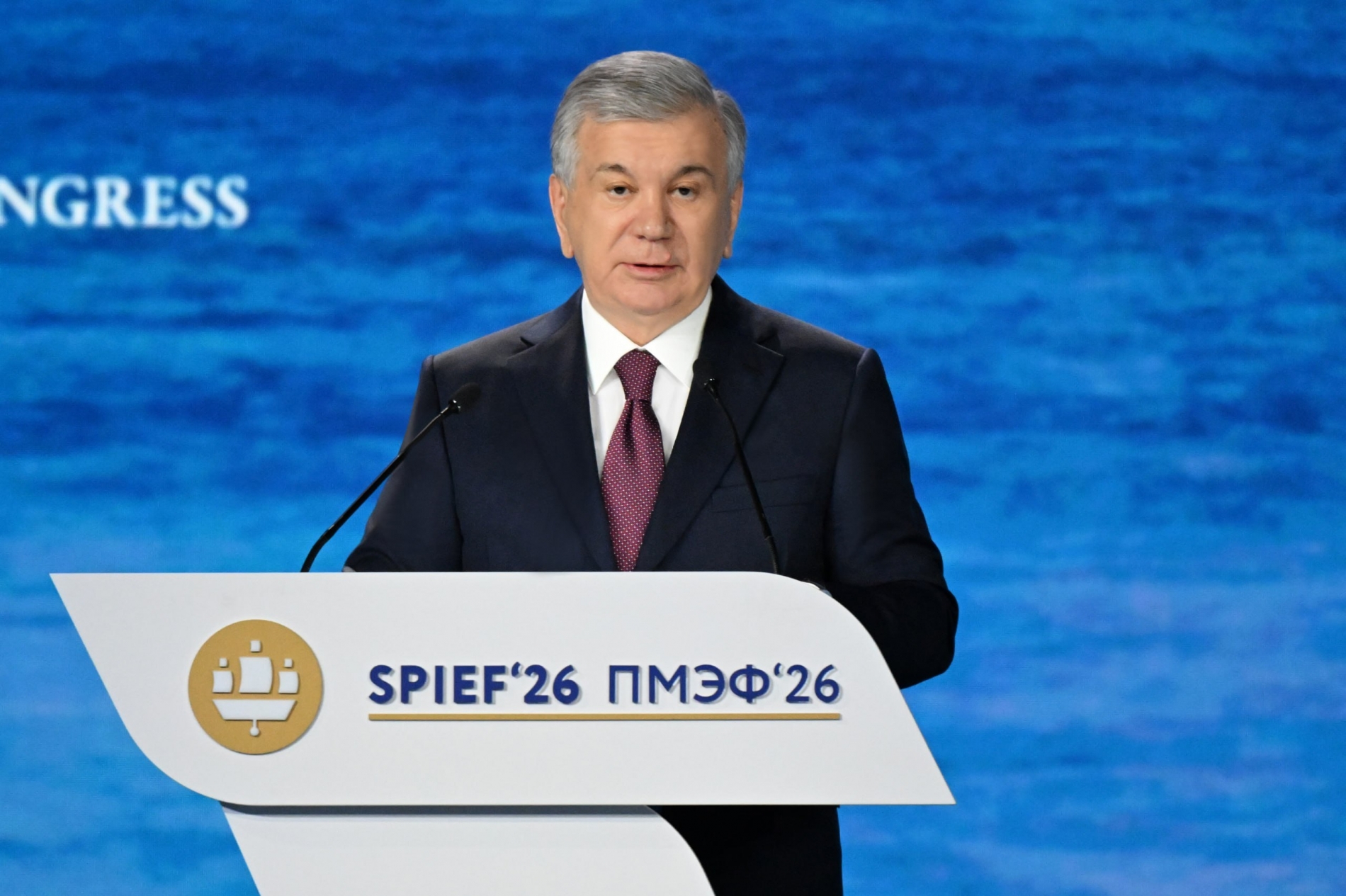
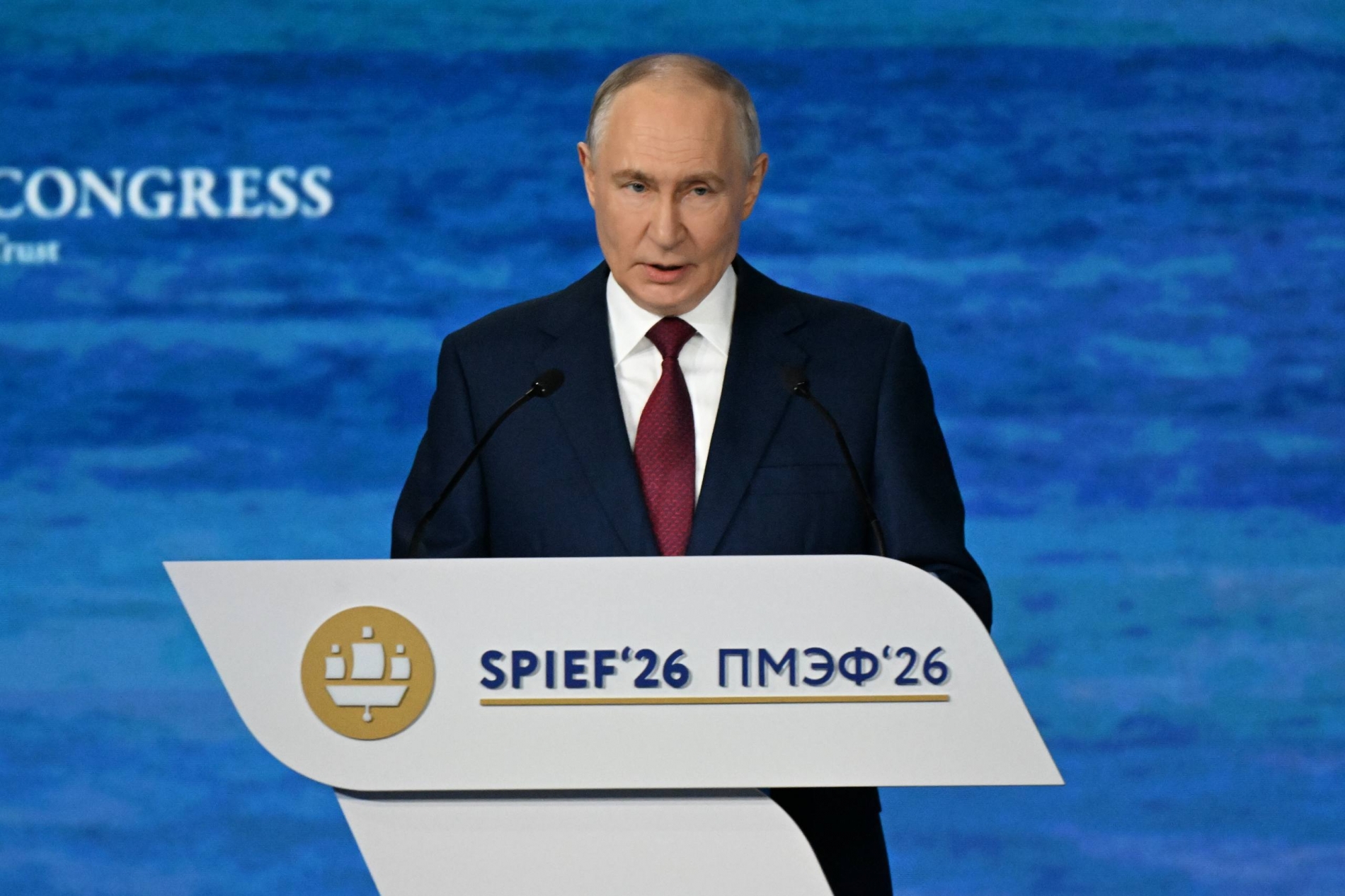
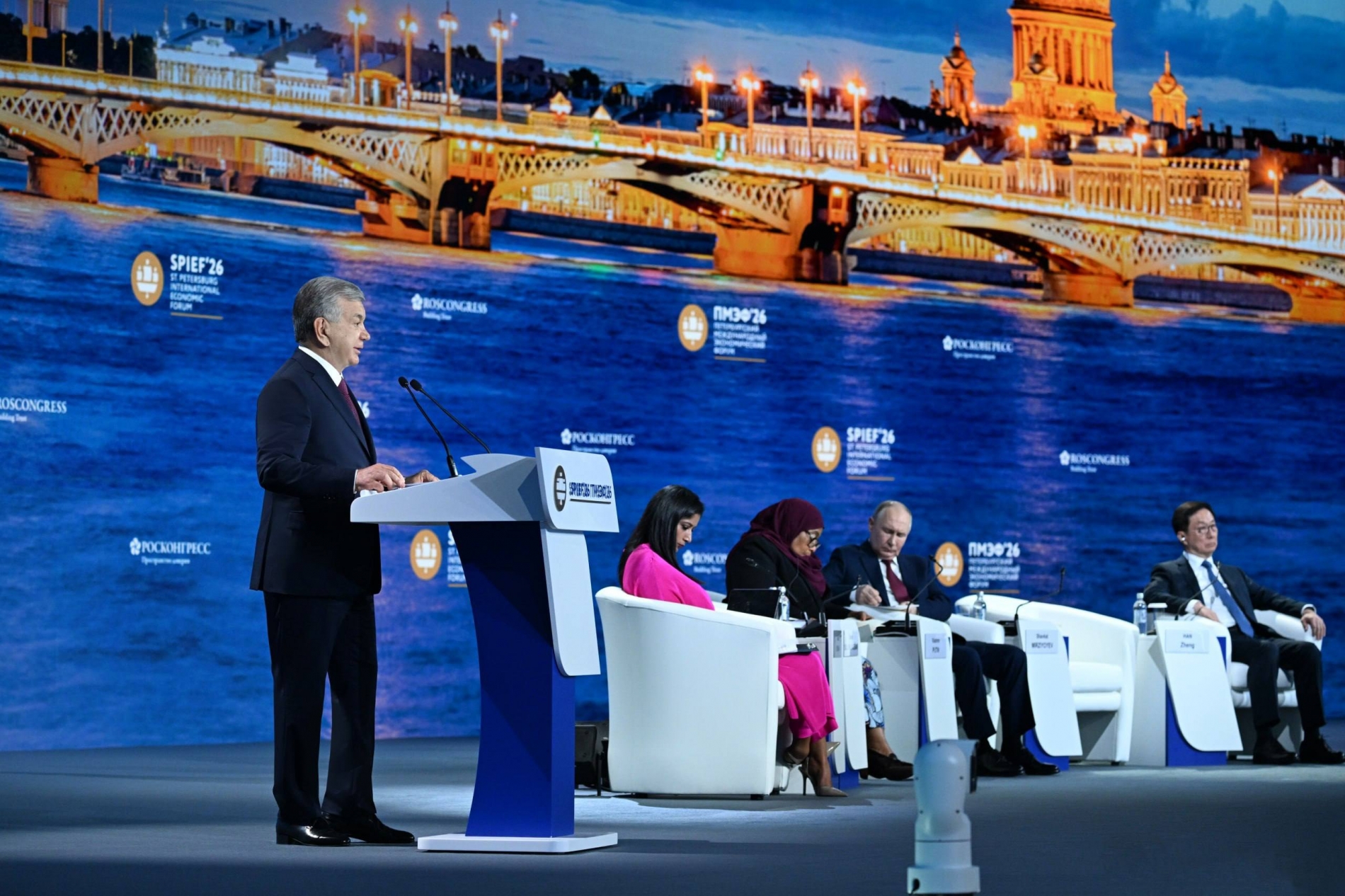
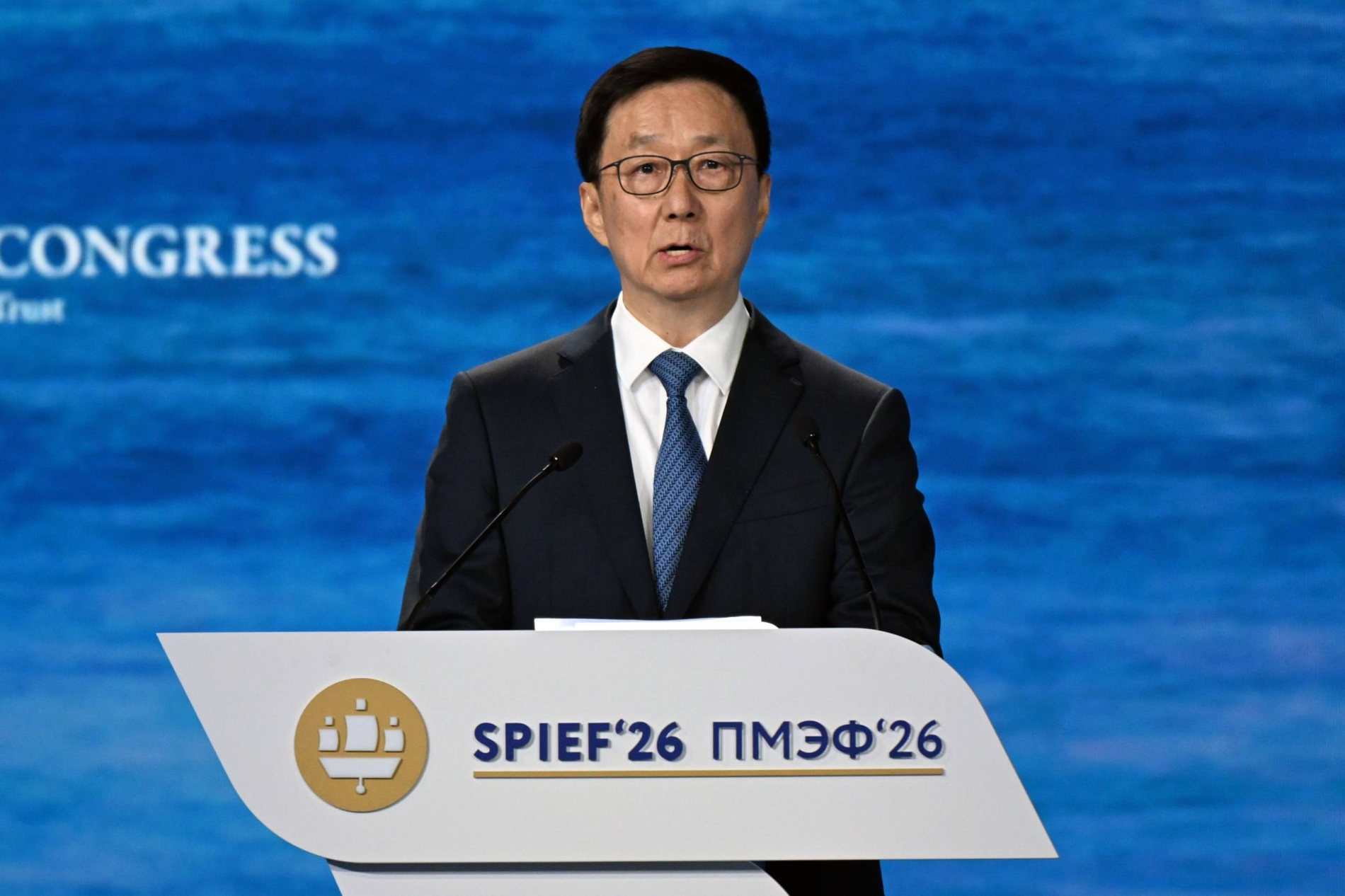
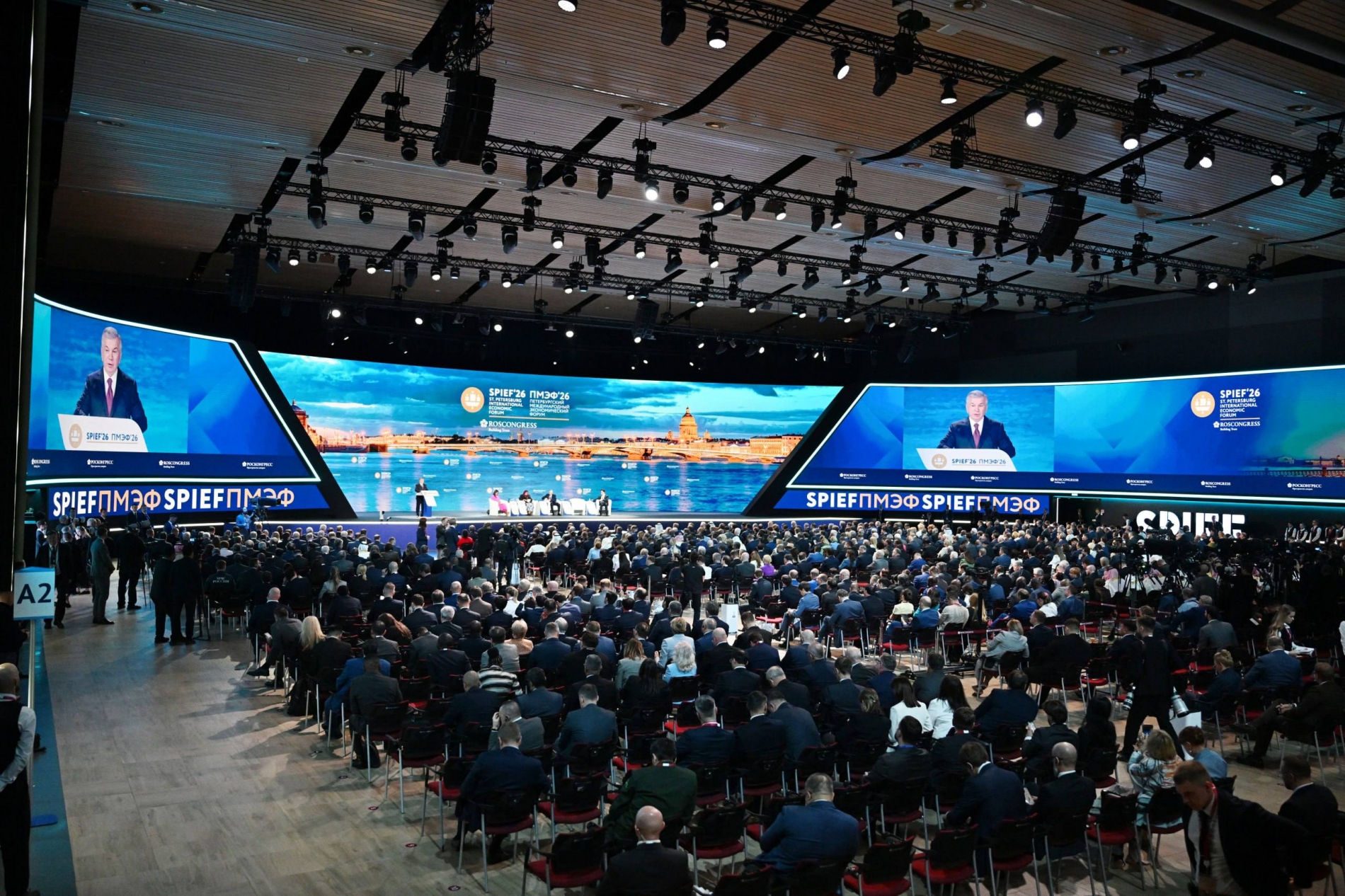
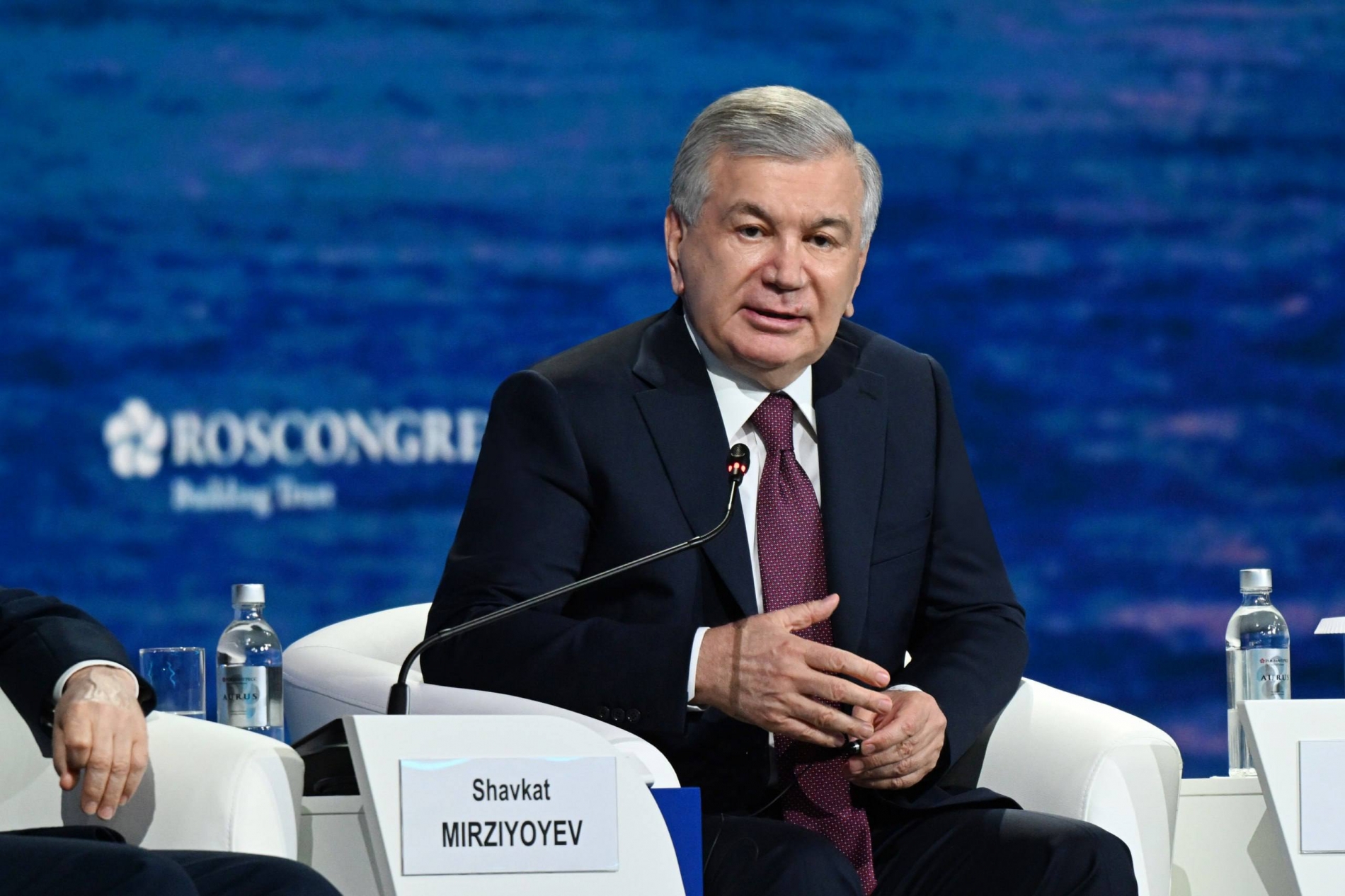

On June 5, President of the Republic of Uzbekistan Shavkat Mirziyoyev took part in the plenary session of the 29th St. Petersburg International Economic Forum, currently underway in St. Petersburg.
Among the main speakers were President of the Russian Federation Vladimir Putin, President of the United Republic of Tanzania Samia Suluhu Hassan, and Vice President of the People's Republic of China Han Zheng.
At the beginning of his address, the President of Uzbekistan warmly welcomed all those present and expressed his delight at being in St. Petersburg, a city closely linked to Uzbekistan through history, deep spiritual ties, and human destinies.
The President noted that the world is undergoing a profound transformation, with transportation routes changing, new supply chains being formed, modern technological platforms emerging, and artificial intelligence being deployed across industries.
“Competition is increasingly evident not only in the struggle for markets and natural resources, but also is shifting into the realm of technology, algorithms, logistics and infrastructure,” Shavkat Mirziyoyev noted.
As the President emphasized, under current conditions, the role of countries and regions capable of fostering cooperation, stability, and mutual benefit is becoming increasingly important.
“For millennia, Uzbekistan has been at the heart of the Great Silk Road. It was not merely goods that passed through Samarkand, Bukhara and Tashkent; ideas and knowledge, cultural and religious traditions also intermingled. Therefore, for us, openness has never been a choice, but a vital necessity and a civilizational code,” the President of Uzbekistan said.
Reviewing the key areas of the Uzbek-Russian strategic partnership and alliance, President Shavkat Mirziyoyev highlighted the significant progress achieved in trade and economic, interregional, and industrial cooperation, as well as partnership in the energy sector.
To expand technological and industrial cooperation between Uzbekistan and Russia, he proposed the formation of a "Eurasian Technological Industrialization Belt", an interconnected system of industrial and technological clusters united by a single digital platform.
Digitalization was also identified as a promising area of cooperation, creating new opportunities for employment, logistics, payment services, and exports.
The President of Uzbekistan also proposed launching the formation of a Joint Digital Ecosystem, which could include the harmonization of regulatory frameworks for digital trade and urban services, the further promotion of Uzbek and Russian brands across shared platforms, the creation of a unified digital employment profile, and the development of artificial intelligence-based products.
Given that Uzbekistan is one of the world's youngest countries, the Leader of Uzbekistan also proposed creating a joint online platform for human capital development aimed at linking education, vocational training, and the labor market.
To strengthen the cultural and humanitarian dimension of cooperation, the President proposed launching the “From Samarkand to St. Petersburg” creative and tourism corridor, featuring joint art and film festivals, museum exhibitions, gastronomic weeks, and music events.
The key achievements of Uzbekistan’s systemic economic reforms were also presented to the participants of the plenary session.
“A decade ago, we embarked on the construction of a New Uzbekistan based on openness, inclusivity and pragmatism. Over the years, we have established a solid foundation for long-term growth, including a favorable business environment, a stable industrial base and new infrastructure,” the President said.
He emphasized that one of Uzbekistan’s key advantages is its young, active, and rapidly growing population, which provides a long-term foundation for the development of entrepreneurship, technology, services, and industry.
At the same time, growth must be not only rapid, but also sustainable, inclusive, and focused on improving people's quality of life.
The steady creation of conditions for the inflow of global investment was highlighted through the development of a favorable business climate, the strengthening of market institutions, and the growth of competition and production potential.
Forum participants were invited to take advantage of the special legal and tax regime of the Tashkent International Financial Centre and to participate in the Tashkent International Investment Forum on June 16–18.
In conclusion, President Shavkat Mirziyoyev emphasized that open dialogue has become the main prerequisite for sustainable development today, and that new opportunities arise where there is trust, a willingness to cooperate, and a commitment to finding solutions together.


When using materials reference to www.president.uz is required
© 2026 Official web-site of the President of Uzbekistan
All rights reserved
Attention! If you find an error in the text, select it and press Ctrl + Enter to notify the administration
